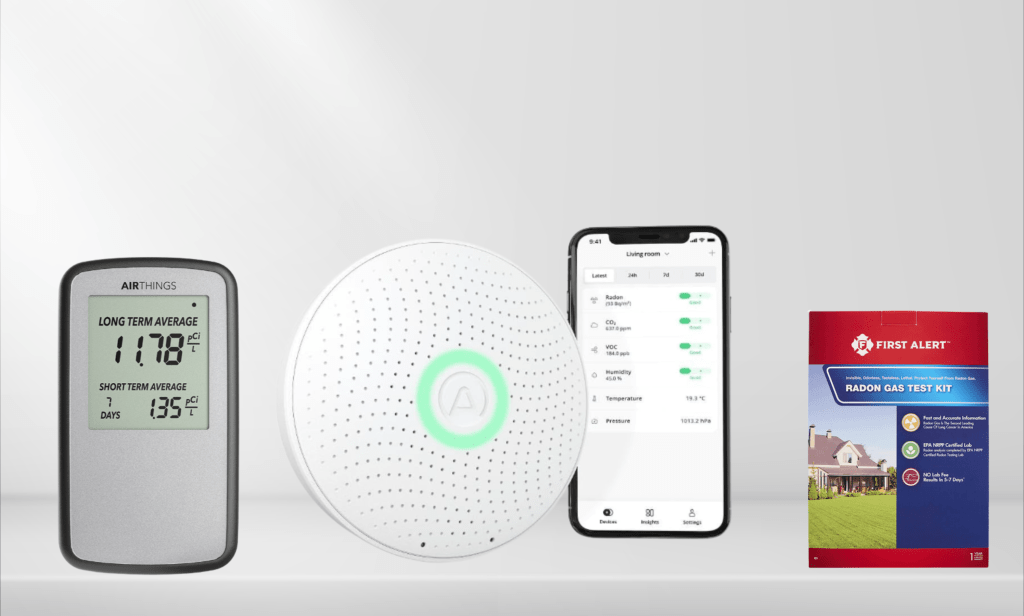
Choosing the best radon detector for your home depends on your goals, timeline, and level of ongoing monitoring you want. Some homeowners need quick, short-term tests for a real estate transaction. Others want continuous radon monitors that track daily fluctuations and provide long-term peace of mind.
There are several types of radon detectors available today. These include charcoal-based short-term test kits, long-term test kits, and digital radon detectors with continuous monitoring capabilities. Each option varies in accuracy, cost, and speed to first reading.
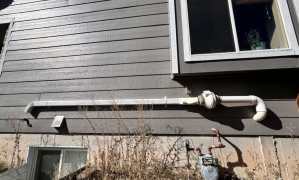
If radon levels are high, testing is only the first step. Mitigation systems can significantly reduce radon levels and protect long-term health. To better understand the source of radon, read our blog What Is Radon?
Why Radon Testing Matters for Homeowners
What Is Radon and Why Is It Dangerous?
Radon gas is a naturally occurring radioactive gas that seeps from soil into homes. It enters through foundation cracks, sump pits, crawl spaces, and other openings where the structure meets the ground.
Long-term radon exposure increases the risk of lung cancer. Radon is the second leading cause of lung cancer in the United States and the leading cause among non-smokers.
Radon is invisible, odorless, and undetectable without proper radon detection tools. Homeowners cannot rely on smell or symptoms to identify a problem. For more information, read our blog on Radon Poisoning Symptoms.
Understanding Radon Levels and EPA Guidelines
The Environmental Protection Agency recommends action when radon levels reach 4.0 picocuries per liter. The World Health Organization suggests an even lower guideline of 2.7 picocuries per liter.
Radon levels fluctuate daily and seasonally. Weather, soil moisture, and indoor air pressure all influence readings. This is why ongoing radon monitoring can be valuable in certain regions.
Types of Radon Test Kits and Radon Detectors
Short-Term Radon Test Kits
Short-term radon test kits typically measure radon levels over two to seven days. These charcoal-based radon test kits are mailed to a lab for analysis.
They are best for quick screening, especially during real estate transactions. They are affordable and widely available, but they are single-use and do not provide ongoing monitoring.
Long-Term Test Kits
Long-term test kits measure radon for 90 days or more. These tests provide a more accurate seasonal average and are ideal for confirming borderline radon levels.
They take longer but offer a clearer picture of annual exposure.
Digital Radon Detectors and Continuous Radon Monitors
Digital radon detectors use electronic sensors to provide ongoing readings. Continuous radon monitors display pCi/L levels on a screen or through a mobile app.
These devices allow homeowners to track how radon levels fluctuate daily. Many models also monitor indoor air quality, carbon dioxide, humidity, and temperature.
How Radon Testing Works and Where to Place a Detector
How Radon Is Measured
Radon detectors measure radioactive decay particles in the air. Results are expressed in picocuries per liter, which represents the radon concentration in indoor air.
Where to Place a Radon Detector
Place radon detectors in the lowest livable level of the home. Avoid kitchens, bathrooms, and areas near drafts, windows, or exterior walls.
For real estate testing, follow EPA placement guidelines to ensure valid results.
How Long Should You Test?
Short-term tests run for two to seven days. Long-term tests measure for 90 days or more. Continuous radon monitors provide ongoing data and can detect daily changes.
Top Picks: Best Radon Detectors in 2026
When selecting the best radon detector, we considered accuracy, ease of use, speed to first reading, connectivity, and long-term value.
Airthings Wave
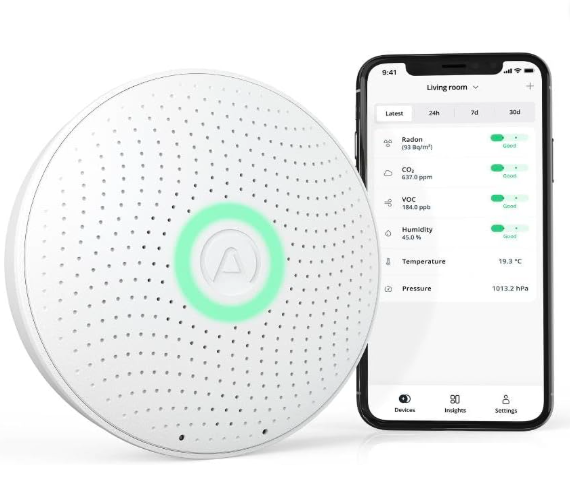
Type: Continuous digital radon monitor
Time to First Reading: 24 hours initial estimate, 7 days for a more accurate average
Power Source: Battery
Best For: Homeowners who want app connectivity and long-term tracking
Pros:
- Easy setup
- App integration
- Tracks humidity and temperature
Cons:
- Requires a smartphone for full functionality
- Higher upfront cost
Airthings Corentium Home
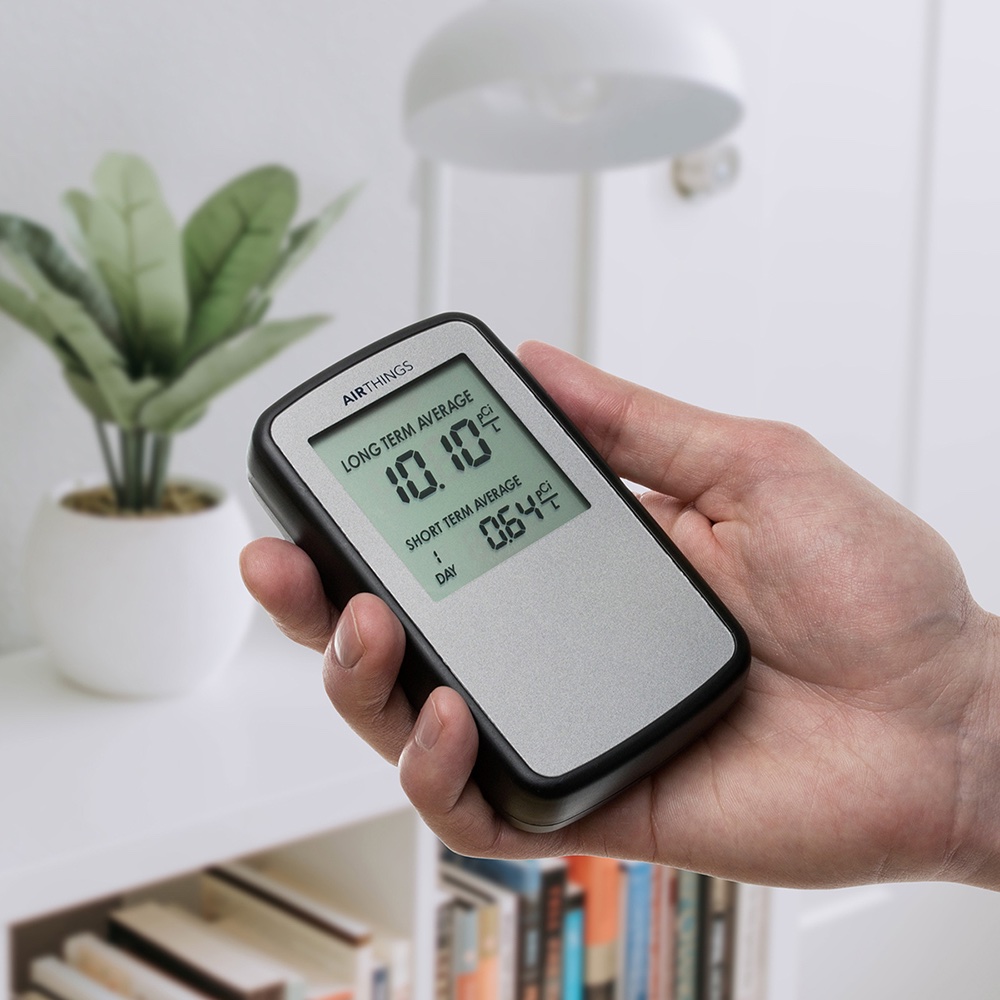
Type: Digital radon detector
Time to First Reading: 24 hours
Power Source: Battery
Best For: Homeowners who want a screen display without app dependency
Pros:
- Portable
- Accurate long-term tracking
- Simple interface
Cons:
- No app connectivity
- Higher price than test kits
First Alert Radon Test Kits

Type: Short-term test kits
Time to First Reading: Lab results after 2 to 7 days
Power Source: None
Best For: Quick screening and real estate timelines
Pros:
- Affordable
- Simple to use
- Good for initial testing
Cons:
- Single use
- No ongoing monitoring
Comparing Accuracy, Speed, and Cost
Accuracy
Long-term test kits and continuous radon monitors provide more accurate averages. Short-term tests are useful but can be influenced by temporary fluctuations.
Speed
Short-term tests provide results within days. Digital radon detectors give initial readings within 24 hours, but accuracy improves over time.
Cost
Charcoal test kits are the most affordable option. Digital radon monitors have higher upfront costs but provide ongoing value without repeated purchases.
What To Do If Your Radon Levels Are High
Confirm with Additional Radon Testing
If a short-term test shows elevated radon levels, confirm with a second test or a long-term measurement from a radon testing professional. This ensures accuracy before making mitigation decisions.
Consider Professional Radon Mitigation
If levels remain at or above 4.0 picocuries per liter, professional radon mitigation systems can significantly reduce exposure. Learn more on our Residential Radon Mitigation page.
Buying Checklist: How to Choose the Best Radon Detector
Ask yourself the following questions:
- Do you want short-term screening or long-term monitoring?
- Do radon levels fluctuate significantly in your region?
- Do you want app connectivity?
- Do you prefer battery or AC-powered devices?
- Do you need continuous radon monitors for peace of mind?
The best radon detector is one that aligns with your needs and lifestyle.
Best Radon Detector FAQs
How often should I do radon testing?
The EPA recommends testing every two years. Test sooner if you complete major renovations or change your heating and ventilation systems.
Can radon levels fluctuate daily?
Yes. Radon levels can change based on weather, soil moisture, and indoor air pressure. Continuous radon monitors help track these fluctuations.
When should I hire a professional for radon detection?
Hire a professional during real estate transactions, when confirming high readings, or when installing radon mitigation systems. Professional testing ensures compliance with guidelines and accurate documentation.
Conclusion: Choosing the Best Radon Detector for Your Home
The best radon detector is the one that matches your goal. Some homeowners need quick, short-term tests for a home purchase. Others want continuous radon monitors for long-term health monitoring.
Radon exposure is a serious but manageable risk. With the right radon testing strategy, you gain clarity and control over your indoor air quality.
If your radon levels are elevated or you want professional guidance, schedule expert testing or a mitigation consultation today.