If you are asking, “What is radon?” you are already taking an important step toward protecting your health and your home. Radon is a naturally occurring radioactive gas that forms in the ground and can enter homes without warning. It has no color, smell, or taste, which makes it impossible to detect without proper testing.
Radon exposure is one of the most serious indoor air quality risks in the United States. It affects homes in every state, but Colorado faces some of the highest risk levels in the country. Understanding what radon is, where it comes from, and how it affects your health can help you make informed decisions to keep your family safe.
What Is Radon and Where Does It Come From?
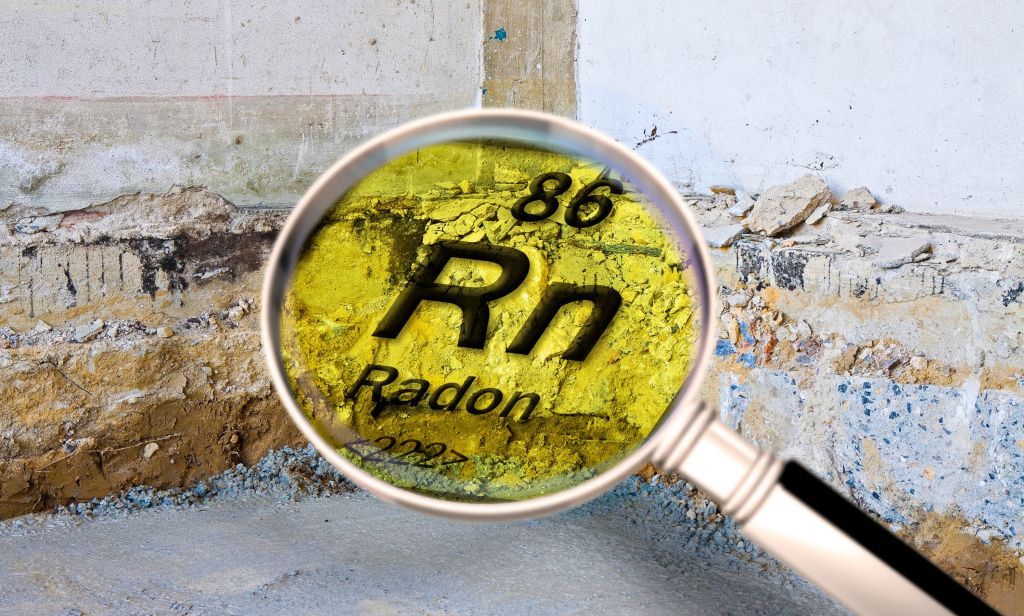
So, what is radon exactly? Radon is a radioactive gas that forms naturally when uranium breaks down in soil, rock, and groundwater. Uranium is present in small amounts almost everywhere, which means radon can form beneath nearly every home.
As uranium decays, it releases radon gas. That gas moves upward through the ground and into the air. Outdoors, radon disperses quickly and is not a concern. Indoors, however, radon can become trapped and accumulate to dangerous levels.
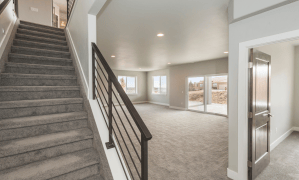
Radon enters homes through contact with the soil beneath the foundation. Any opening, crack, or gap can allow radon gas to seep into the house. Once indoors, radon can build up over time, especially in lower levels like basements and crawl spaces.
Why Radon Is So Dangerous
Radon is dangerous because it emits radiation as it breaks down. When radon gas is inhaled, radioactive particles settle in the lungs. These particles damage lung tissue and increase the risk of cancer over time.
The Environmental Protection Agency identifies radon as the second leading cause of lung cancer in the United States. It is the number one cause of lung cancer among non-smokers. Each year, radon is responsible for about 21,000 lung cancer deaths nationwide.
The danger increases with prolonged exposure. People who live in homes with elevated radon levels for many years face significantly higher health risks. Smokers who are also exposed to radon face an even greater risk, but non-smokers are also vulnerable.
Because radon does not cause immediate symptoms, many people do not realize they are exposed until serious health problems develop. This is why understanding what radon is and testing for it is so important.
Why Colorado Homes Are at Higher Risk for Radon
Colorado is one of the highest radon risk states in the country. Several factors contribute to this increased risk.
First, Colorado’s geology plays a major role. The Rocky Mountains contain granite and other uranium-rich rock formations. As uranium breaks down, higher amounts of radon are released into the surrounding soil.
Second, Colorado’s elevation affects air pressure differences between the inside of a home and the ground below. These pressure differences can draw radon into homes more aggressively.
Third, cold winters increase radon accumulation. Homes remain sealed for long periods to retain heat. This traps radon indoors, preventing it from dispersing.
According to state data, more than half of homes tested in Colorado show radon levels above the EPA recommended action level. This applies to homes of all ages, sizes, and construction styles.
How Radon Gets Into Homes and Buildings
Radon enters homes through the lowest level of the structure, where the building meets the ground. Common entry points include foundation cracks, construction joints, sump pumps or pits, drain tiles, crawl spaces, and gaps around utility pipes.
Even small openings can allow radon gas to pass through. Concrete is not airtight, and radon can move through tiny pores in foundation materials.
Air pressure differences inside the home also play a role. Warm air rises and escapes through the upper levels of the house. This creates lower pressure at the base of the home, which pulls soil gases upward. Radon is then drawn inside along with that air.
Commercial buildings, schools, and apartments are also at risk. Any structure that has contact with the ground can experience elevated radon levels.
Radon Levels Can Vary (Even in the Same Neighborhood)
One of the most surprising aspects of radon is how much levels can vary from one building to another. Two homes next door to each other can have drastically different radon readings.
This variation occurs because of differences in soil composition, foundation design, construction materials, and airflow patterns. Small changes in how a home is built or ventilated can significantly impact radon levels.
The weather also affects radon concentration. Rain, snow, and frozen ground can push radon toward foundations. Seasonal changes often cause radon levels to rise in winter and early spring.
Because of this variability, no homeowner can assume their home is safe based on location alone. The only way to know is to test.
How to Test for Radon in Your Home
Testing is the only reliable way to determine radon levels. Since radon is invisible and odorless, there is no other method to detect it.
There are two main types of radon tests. Short-term tests measure radon levels over a period of two to seven days. Long-term tests measure levels over 90 days or longer and provide a more complete picture of annual exposure.
Professional radon testing is the most accurate option. Certified technicians use calibrated equipment that records hourly readings and accounts for environmental changes. This provides reliable data for decision-making.
Homeowners can also use do-it-yourself test kits for initial screening. However, professional testing is recommended for real estate transactions, mitigation decisions, and confirmation testing.
If you are considering testing, learn more about professional options through our residential radon testing and mitigation services.
What Happens If Radon Levels Are High?
If your home tests at or above 4.0 picocuries per liter, the EPA recommends taking action to reduce radon levels. Even levels below this threshold still carry some risk, and many homeowners choose to mitigate at lower readings.
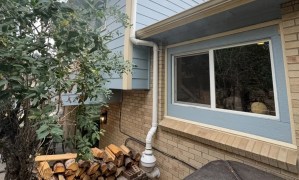
The most common solution is a radon mitigation system. These systems work by drawing radon from beneath the foundation and venting it safely outside. They operate continuously and significantly reduce indoor radon levels.
A typical system includes a vent pipe, a fan, and sealing of key entry points. Properly installed systems can reduce radon levels by 80 to 99 percent.
After mitigation, follow-up testing confirms that levels are within a safe range. Mitigation systems are quiet, energy efficient, and require minimal maintenance.
Retesting and Ongoing Radon Monitoring
Radon testing should not be a one-time event. Retesting ensures that levels remain low over time and that mitigation systems continue to perform properly.
The EPA recommends testing every two years. Testing should also be done after major renovations, foundation repairs, or changes to heating and ventilation systems.
Seasonal testing is critical in Colorado. Winter testing often shows the highest radon levels due to closed house conditions.
Some homeowners choose continuous radon monitors for ongoing awareness. These devices provide real-time data and alert occupants to changes in indoor radon levels.
We’re Here for You, Coloradans
Now that you understand what radon is and why it is such a serious health risk in Colorado, the next step is making sure your home is safe.
Radon does not discriminate. It affects homes in every county, at every elevation, and of every construction type. The good news is that radon exposure is entirely preventable with proper testing and mitigation.
At Better Colorado Radon, we help homeowners understand their risk, interpret test results, and take effective action. We work with trusted professionals and proven solutions to ensure reliable results and long-term protection.
Whether you are testing for the first time or addressing elevated levels, you do not have to navigate the process alone.
Protect your home and your health today! Learn more about our services or schedule a radon evaluation and speak with a radon professional to learn your next steps.
Understanding what radon is empowers you to take control of your indoor air quality. Testing today can protect your family for years to come.