
Radon gas is a naturally occurring radioactive gas that can accumulate in existing buildings, including schools, offices, and historic properties. Because radon exposure is the second leading cause of lung cancer in the United States, managing radon in schools and other occupied buildings is a public health priority.
Unlike carbon monoxide, radon does not cause immediate symptoms. The risk develops over long-term exposure. That makes structured radon testing, documented results, and professional radon mitigation essential for protecting indoor air quality in buildings where large groups of people spend extended hours.
In this guide, we explain why radon in schools and other buildings is a concern, how to conduct radon testing properly, when mitigation is required, and what considerations apply to historic and commercial buildings.
For a deeper understanding of health risks, read our blog on Radon Poisoning Symptoms.
Why Radon in Schools Is a Serious Concern
The Environmental Protection Agency estimates that nearly one in five schools nationwide has at least one classroom with elevated indoor radon levels. This means thousands of students and staff may be exposed to increased radon concentrations during the school year.
Children and educators spend six to eight hours per day inside school buildings. Over time, cumulative radon exposure increases health risks. Long-term exposure to elevated indoor radon is associated with increased lung cancer risk later in life.
The EPA ranks indoor radon among the top environmental causes of lung cancer deaths in the country. Because schools are high-occupancy buildings, managing radon risks is not optional. It is a responsibility tied directly to student and staff safety.
How to Conduct Radon Testing in Schools and Existing Buildings
Initial Radon Test Protocol
To properly address radon in schools, administrators must begin with structured radon measurement. Testing should include all ground-contact rooms and frequently occupied spaces. This includes classrooms, offices, libraries, and lower-level areas.
Approved radon test kits or certified radon professionals should be used. Following short-term radon measurement protocols is typically the first step. Short-term radon tests measure indoor radon levels over two to seven days and provide an initial screening result.
To better understand radon sources and movement, read our blog What Is Radon?
Testing should be conducted under closed-building conditions to ensure accuracy. These are typically performed during week-long breaks or over long weekends.
Follow-Up Testing
If radon concentrations approach or exceed 4.0 picocuries per liter, follow-up testing is required. A second short-term test or a long-term radon measurement can confirm the initial result.
Long-term testing, which measures over 90 days or more, provides a clearer seasonal average. This is especially useful in schools where indoor radon levels may fluctuate during heating seasons.
Interpreting Radon Levels and When Mitigation Is Required
The EPA action level for radon is 4.0 picocuries per liter. When radon levels in schools reach or exceed this threshold, radon mitigation is recommended.
However, even levels below 4.0 may warrant radon reduction depending on building use and occupancy. Because children and staff spend extended hours indoors, some districts choose to manage radon at lower concentrations.
Radon levels can vary significantly between rooms. One classroom may test high while another does not. Radon levels can also vary floor to floor. It is important to note that one elevated room requires action. It should not be dismissed simply because other areas test lower. Managing radon risks requires attention to individual spaces.
Nationwide survey data consistently show variability in radon concentrations within the same building. This is why comprehensive radon measurement is critical.
Radon Mitigation Strategies for Existing Buildings
Schools and Offices
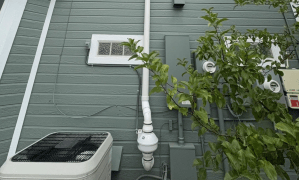
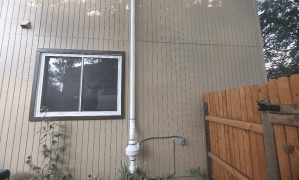
Active soil depressurization is the most common radon mitigation strategy in schools and commercial buildings. This method uses fans and vent pipes to draw radon from beneath the foundation and vent it safely outdoors.
Larger buildings may require multiple mitigation systems to effectively control indoor radon levels across different wings or foundation sections. An ongoing radon management plan is recommended. This includes regular testing and system inspections to ensure performance.
Historic Buildings
Historic buildings present unique challenges when managing radon risks. Structural limitations and preservation guidelines may restrict where pipes and mitigation systems can be installed.
Despite these challenges, radon mitigation strategies can often be installed without visible exterior impact. Careful design ensures compliance with preservation requirements while protecting indoor air quality. Certified radon professionals experienced in commercial mitigation can design systems that balance aesthetics and performance.
For more insight into the value of mitigation, read our blog, “Is Radon Testing Worth It?”
Managing Radon Long-Term
Managing radon in schools does not end with initial testing or mitigation installation. Long-term planning is essential. Establish a written radon management plan that outlines testing schedules, response procedures, and system maintenance protocols. Retest periodically and after renovations. Construction changes can alter airflow patterns and affect indoor radon levels.
Maintain mitigation system fans and monitors. Fans operate continuously and must be inspected regularly to ensure they are functioning correctly. Document all testing and mitigation efforts. Proper documentation supports regulatory compliance, school district reporting requirements, and transparency with parents and staff. Managing radon is an ongoing process, not a one-time event.
Why Professional Radon Testing Matters
Schools, offices, and public buildings should work with certified radon professionals to ensure proper radon measurement and documentation. Professional radon testing teams follow standardized measurement protocols. They provide accurate documentation for district records and regulatory compliance.
Certified professionals also design code-compliant radon mitigation systems tailored to the building’s foundation and structure. This is especially critical in high-occupancy buildings where long-term radon exposure affects large populations. Mistakes in testing or mitigation can leave vulnerable occupants at risk.
Learn more about professional services on our Commercial Mitigation service page.
Conclusion: Radon in Schools and Public Buildings Requires Proactive Management
Radon in schools is not uncommon, but it is manageable. Through structured radon testing, documented results, and professional radon mitigation when necessary, administrators and building owners can protect indoor air quality and reduce long-term lung cancer risk.
Radon awareness is an essential component of building management in Colorado and across the country. With proper testing and mitigation systems in place, indoor radon levels can be controlled effectively. Do not wait for a problem to surface. Proactive radon management protects students, staff, and building occupants.