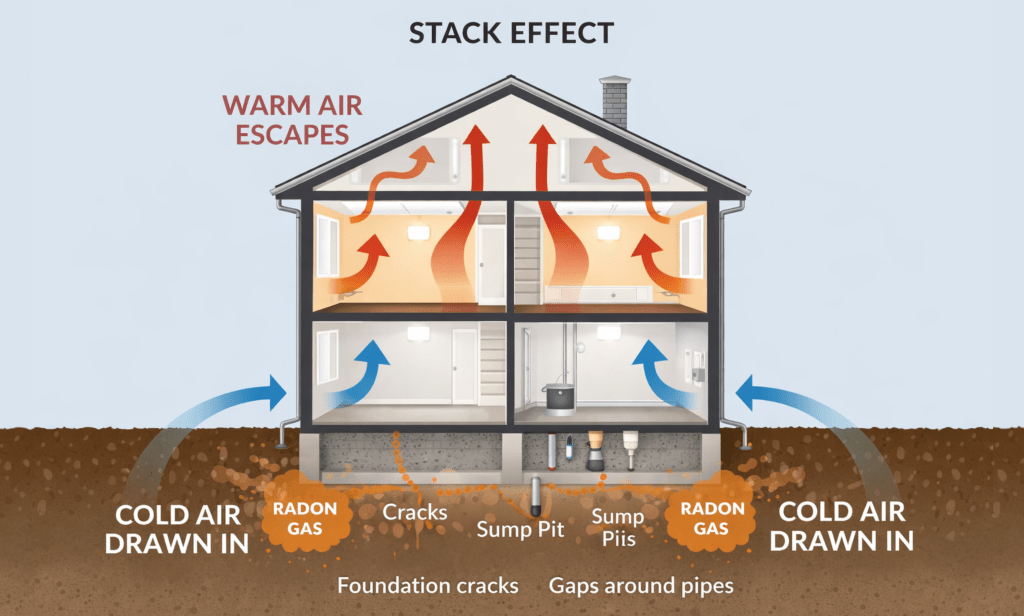
The stack effect is a natural airflow process that occurs in every home, whether you realize it or not. In simple terms, it describes how warm air rises and escapes through the top of a building while cooler air is pulled in from the lower levels. This movement of air creates pressure differences that can draw outside air, including radon gas, into your home. Because radon originates in the soil beneath your house, the stack effect plays a major role in how it enters and accumulates indoors. Understanding how the stack effect works can help homeowners better manage radon exposure and indoor air quality.
What Is the Stack Effect?
The stack effect refers to the movement of air into and out of a building caused by temperature differences between indoor and outdoor environments. When the air inside a home is warmer than the air outside, it rises and escapes through the upper portions of the structure. As this warm air exits, it creates lower pressure at the base of the home. This lower pressure pulls in replacement air from the ground and surrounding soil. This continuous cycle of rising and falling air is what drives the stack effect in residential buildings.
Why Warm Air Rises and Cold Air Sinks
Warm air is less dense than cold air, which causes it to rise naturally within a home. As the air warms from heating systems or sunlight, it becomes lighter and rises toward the ceilings and attic spaces. At the same time, cooler air is heavier and settles toward lower levels, such as basements and crawl spaces. This constant movement creates a vertical airflow pattern throughout the home. The stronger the temperature difference between inside and outside, the more pronounced this effect becomes. To learn more about how this impacts radon levels, read our blog Why is Radon so High in Basements?
How Pressure Differences Form Inside a Home
As warm air escapes from the top of a building, it creates a pressure imbalance. The upper portions of the home experience positive pressure as air pushes outward. Meanwhile, the lower portions of the home experience negative pressure as air is pulled inward to replace what was lost. This pressure difference is strongest at the foundation level where the home meets the ground. The result is a suction effect that draws in air from beneath the structure. Unfortunately, this incoming air often contains radon gas.
How the Stack Effect Pulls Radon Into Your Home
Radon gas is naturally present in the soil beneath your home, and the stack effect creates the perfect conditions for it to enter. As negative pressure forms at the base of the home, it pulls air from the ground into the building. This process acts like a vacuum, drawing radon gas through any available openings in the foundation. Over time, radon can accumulate indoors, especially in areas closest to the source. The stronger the stack effect, the more radon can be pulled inside. This is why understanding airflow dynamics is critical for managing radon exposure.
Radon Entry Points in the Building Envelope
Radon enters homes through a variety of openings in the building envelope. Foundation cracks are one of the most common entry points, as they provide a direct path from the soil into the home. Gaps around plumbing pipes and utility penetrations also allow radon to seep through. Sump pits, which are often connected to drain systems beneath the home, can act as major radon entry points if not properly sealed. Crawl spaces with exposed soil or inadequate barriers also allow radon to rise into the home. Each of these entry points contributes to the overall radon level when the stack effect is actively pulling air inside.
Why Lower Floors Are Most Affected
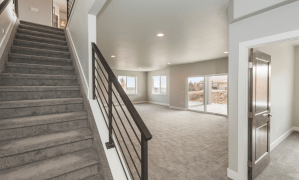
Lower floors, such as basements and crawl spaces, experience the strongest negative pressure within a home. Because of this, they are the primary entry points for radon gas. Air is constantly being drawn into these areas to replace the warm air that escapes from the upper levels. As a result, radon concentrations tend to be highest at the lowest levels of the home. Over time, radon can move upward into living spaces, but it remains most concentrated near the foundation. This is why radon testing is typically conducted in the lowest livable area of the home.
Why the Stack Effect Is Stronger in Colorado
Cold Climate and Heating Season Impact
Colorado’s cold climate significantly intensifies the stack effect. During the winter months, homes are heated continuously, creating a strong temperature difference between indoor and outdoor air. This causes warm air to rise more aggressively and escape through the upper levels of the home. As a result, more air is pulled in from the foundation level. This increased airflow draws more radon into the home during the heating season. This is why radon levels often peak during winter.
High Altitude and Air Pressure Differences
Colorado’s high altitude also plays a role in the stack effect. At higher elevations, air pressure differences can become more pronounced. These differences can enhance the movement of air through a building. Homes at higher elevations may experience stronger airflow patterns that increase radon entry. This makes radon management especially important in mountainous and elevated regions. The combination of altitude and climate creates ideal conditions for radon infiltration.
Energy Efficiency Can Increase the Effect
Modern homes are often built to be energy efficient, which means they are tightly sealed. While this improves heating and cooling efficiency, it can also intensify the stack effect. Sealed homes prevent air from escaping through natural ventilation, which increases pressure differences inside. This can lead to stronger suction at the foundation level. As a result, more radon may be pulled into the home. Energy efficiency and radon risk often go hand in hand.
Stack Effect in Summer vs Winter
Winter (Heating Season)
During winter, the stack effect is at its strongest. Warm air rises and escapes through the roof, attic, and upper floors of the home. This creates significant negative pressure at the base of the building. As a result, cold air and radon gas are pulled in from beneath the foundation. The colder it is outside, the greater the temperature difference and the stronger the effect. This is why winter is often the best time to test for radon.
Summer (Cooling Season)
In summer, the stack effect is typically weaker. Air conditioning can reduce or slightly reverse the airflow pattern by cooling indoor air. However, the effect does not disappear completely. Radon can still enter the home through foundation openings. In some cases, air conditioning systems can create their own pressure differences that influence radon levels. While summer readings may be lower, testing is still important year-round
Other Factors That Influence the Stack Effect
Several additional factors can influence how strongly the stack effect impacts your home. Wind pressure can push or pull air through the building, affecting airflow patterns. Exhaust fans in kitchens and bathrooms can increase negative pressure inside the home. Fireplaces and chimneys can also affect airflow by drawing air upward. Even opening and closing doors and windows can temporarily alter pressure dynamics. All these factors can influence how radon enters and moves throughout the home.
Why the Stack Effect Makes Radon Testing Critical
Because the stack effect constantly changes airflow within a home, radon levels can vary significantly over time. This makes radon testing essential for understanding true exposure levels. Without testing, homeowners have no way of knowing how much radon is entering their home. The stack effect can increase radon levels without any visible warning signs. Testing provides the data needed to determine whether mitigation is necessary. It is the only reliable way to assess indoor radon risk.
Radon Levels Can Fluctuate With Air Movement
Radon levels can change daily due to fluctuations in temperature, weather, and indoor air pressure. The stack effect plays a major role in these variations. This is why professional testing is recommended to capture accurate readings over time. Learn more about testing options through our Residential Radon Testing services. Continuous or long-term testing can provide a more complete picture of radon exposure. Understanding these fluctuations helps homeowners make informed decisions about mitigation.
Can You Reduce the Stack Effect?
Sealing Entry Points Helps, But Isn’t Enough
Sealing cracks and gaps in the foundation can help reduce radon entry. However, this approach alone is not enough to eliminate radon risk. The stack effect will continue to pull air into the home through any remaining openings. Sealing is an important step, but it should be combined with other strategies. Without additional measures, radon can still accumulate indoors. This is why sealing is considered a supplemental solution.
Improving Ventilation
Improving ventilation can help reduce indoor radon levels in some cases. Increasing airflow may dilute radon concentrations inside the home. However, ventilation alone is not a reliable long-term solution. Airflow patterns can change, and radon levels may remain elevated. Mechanical ventilation systems can provide some benefit but are not a substitute for mitigation. Proper design is required to ensure effective ventilation.
The Most Effective Solution: Radon Mitigation Systems
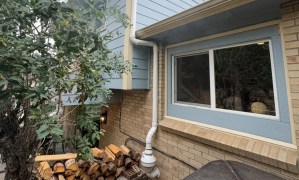
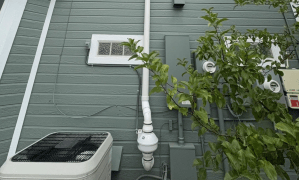
The most effective way to address radon caused by the stack effect is through a radon mitigation system. These systems counteract the pressure differences by actively removing radon from beneath the home. They create controlled airflow that prevents radon from entering the living space. Mitigation systems are designed based on the home’s structure and soil conditions. When installed properly, they can significantly reduce radon levels. This makes them the most reliable long-term solution.
The Stack Effect and Radon
The stack effect is a natural process that plays a major role in how radon enters and accumulates inside your home. While it cannot be completely eliminated, it can be managed with proper testing and mitigation. Understanding how airflow and pressure differences affect your home allows you to take control of indoor air quality. Radon exposure is a serious but manageable risk when addressed correctly.