
Testing for radon is one of the most important steps homeowners can take to protect indoor air quality. A radon test measures the concentration of radon gas inside a home and reports the result as a numerical value. Radon testing is recommended because this naturally occurring radioactive gas cannot be seen, smelled, or detected without specialized tools. Many homeowners perform a radon test when buying a home, completing renovations, or simply checking indoor air quality for peace of mind. The most important question most people have after testing is simple: are their radon levels safe? Understanding how to read a radontest helps homeowners determine whether action is necessary and what the next steps should be.
Radon testing results provide valuable information about potential health risks inside a home. Because radon exposure increases the risk of lung cancer over time, interpreting test results correctly is essential. Homeowners who understand their radon levels can decide whether additional testing or mitigation is needed. Professional evaluation may also help confirm the accuracy of results and determine the best solution for reducing exposure. If you need help with testing or mitigation, explore our residential radon services for professional guidance.
Quick Answer: What Your Radon Test Results Mean
What Radon Levels Are Considered Safe?
When learning how to read a radon test, the first step is understanding what radon levels are considered safe. Radon levels are measured as a concentration in indoor air. Lower levels indicate less radon present in the environment. While no level of radon exposure is considered completely risk-free, lower concentrations significantly reduce long-term health risks. Most homes will have some measurable radon because it occurs naturally in soil and rock. The goal of radon testing is to determine whether levels rise high enough to require mitigation.
When Radon Levels Become a Concern
Radon levels become a concern when the concentration increases enough to raise long-term exposure risk. Elevated radon levels often occur when gas from the soil accumulates inside a home. Poor ventilation and certain foundation types can contribute to higher indoor concentrations. Even moderate radon levels can increase risk when exposure occurs over many years. This is why understanding test results is essential for making informed decisions about mitigation.
The EPA Action Level (4.0 pCi/L)
The Environmental Protection Agency recommends taking action when radon levels reach 4.0 pCi/L or higher. This threshold is commonly referred to as the EPA action level. When radon levels exceed this point, mitigation is strongly recommended to reduce exposure. However, even radon levels below 4.0 pCi/L may still carry some risk over time. Some homeowners choose mitigation at lower levels to further reduce long-term exposure. The safest bet is to always mitigate radon, but the EPA action level serves as a guide for homeowners to make educated decisions about radon.
Understanding Radon Test Units (pCi/L)
What pCi/L Means
Radon test results are reported in pCi/L, which stands for picocuries per liter. A picocurie measures the rate of radioactive decay occurring in the air. In simpler terms, it represents how much radon is present in each liter of air inside the home. This unit helps scientists and health organizations quantify radon exposure levels. Understanding pCi/L is a key part of how to read a radon test.
How Radon Levels Are Measured in Homes
Radon levels are measured using specialized detectors that capture radioactive decay particles in the air. These detectors may use charcoal, electronic sensors, or laboratory analysis, depending on the testing method. Radon gas is constantly moving and fluctuating, which means readings can change throughout the day. Professional radon testing follows specific placement guidelines to ensure accurate results. Testing is usually performed in the lowest-occupied level of the home, where radon is most likely to accumulate.
What the Average Radon Level Looks Like
Radon levels vary significantly between homes. The average indoor radon level in the United States is about 1.3 pCi/L. Outdoor radon levels are typically much lower. However, certain regions, including Colorado, frequently experience higher radon concentrations due to geological conditions. Two neighboring homes can have very different radon levels depending on soil composition and construction style.
Types of Radon Tests and How Results Are Reported
Short-Term Radon Tests
Short-term radon tests typically measure radon levels for 48 to 96 hours. These tests provide quick results and are commonly used during real estate transactions. Short-term tests are useful for quickly identifying elevated radon levels. However, because radon fluctuates daily, short-term tests may not reflect long-term exposure patterns. Short-term radon tests are best used as an initial screening method and for real estate transactions due to the tight deadlines.
At Better Colorado Radon, we offer agent discounts and priority scheduling to meet deadlines! Contact us to get on our Agent Partnership list!
Long-Term Radon Testing
Long-term radon tests measure levels for 90 days or more. These tests provide a more accurate average radon concentration over time. Long-term testing accounts for seasonal fluctuations and changes in indoor air pressure. Because of this, long-term radon testing is often considered the most reliable method for evaluating radon exposure. Long-term radon testing is good for evaluating levels in schools, office buildings, and homes with borderline radon results.
Continuous Radon Monitors
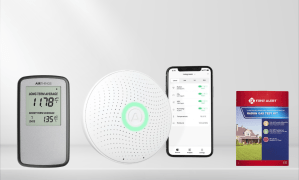
Continuous radon monitors provide ongoing radon measurements using electronic sensors. These devices record radon levels at regular intervals and calculate average radon levels over time. Continuous monitors are commonly used by professionals during home inspections. They can detect fluctuations and provide detailed data about radon behavior within a home. Continuous radon monitors are good for homeowners who want to understand their true average radon exposure over time, multi-family housing units, and buildings with existing mitigation systems.
How to Interpret Your Radon Test Results
Radon Levels Below 2.0 pCi/L
Radon levels below 2.0 pCi/L are generally considered low. Homes or buildings with readings in this range are unlikely to require mitigation. However, homeowners and building owners may still choose to monitor radon periodically. Environmental conditions and renovations can sometimes change radon levels over time.
Radon Levels Between 2.0–4.0 pCi/L
Radon levels between 2.0 and 4.0 pCi/L fall into a moderate range. While mitigation is not always required at this level, some homeowners choose to reduce exposure. Additional long-term testing may also help confirm whether levels remain consistent over time.
Radon Levels Above 4.0 pCi/L
Radon levels above 4.0 pCi/L exceed the EPA action level. At this point, installing a radon mitigation system is recommended. These systems reduce radon by drawing gas from beneath the home and venting it outside.
What Causes Elevated Radon Levels in Homes?
How Radon Gas Enters Through the Foundation
Radon gas originates in the soil beneath buildings and naturally rises toward the surface as part of the uranium decay process found in many types of rock and soil. As pressure differences occur between indoor and outdoor environments, radon can be drawn into the home through the foundation. This pressure difference is often created by heating systems, exhaust fans, and natural airflow within the structure. When warm air rises and escapes from upper levels of the home, it creates lower pressure near the foundation. This pressure difference pulls air from the soil below, carrying radon gas with it. Because this process happens naturally in many buildings, even well-maintained homes can experience radon infiltration over time.
Common Entry Points
Radon commonly enters homes through openings where the building structure meets the soil beneath it. These entry points often include cracks in concrete foundations, gaps around plumbing pipes, floor drains, sump pits, and construction joints. Crawl spaces and unfinished basements can also provide pathways for radon gas to enter indoor air. Even very small openings can allow radon to seep inside because the gas moves easily through porous materials and tiny gaps. Over time, foundations may develop additional cracks or settling areas that increase these entry points. Without proper sealing or mitigation systems, radon gas can accumulate indoors and raise overall exposure levels.
Why Radon Levels Can Vary by Home
Radon levels can vary significantly from one home to another, even if the houses are located next to each other. Differences in soil composition, building materials, and foundation design can all influence how radon moves into a structure. Homes built over uranium-rich soil may naturally experience higher radon concentrations. Ventilation patterns inside the home also affect how radon accumulates or disperses throughout indoor spaces. Homes with basements or crawl spaces often experience higher radon levels because these areas are closest to the soil where radon originates. Seasonal weather changes, humidity levels, and indoor heating systems can also cause radon concentrations to fluctuate throughout the year.
What to Do If Your Radon Levels Are High
Confirm the Results With a Second Test
If radon levels are elevated, performing a second test can help confirm the initial result. Radon levels can fluctuate daily due to weather changes, ventilation patterns, and indoor air pressure differences. A follow-up test helps ensure the first result accurately reflects the radon concentration in the home. Multiple tests provide greater confidence in the measurement and help determine whether mitigation is truly necessary. In some cases, homeowners may choose a long-term radon test to obtain a more accurate average reading.
When to Install a Radon Mitigation System
If confirmed radon levels exceed the EPA action level of 4.0 pCi/L, installing a radon mitigation system is recommended. Even levels slightly below this threshold may warrant mitigation if homeowners want to further reduce long-term exposure. Elevated radon levels should be addressed promptly because prolonged exposure increases lung cancer risk. Professional radon mitigation systems are designed to lower indoor radon concentrations to safer levels. A certified radon professional can evaluate the home and recommend the most effective solution.
How Mitigation Systems Reduce Radon Levels
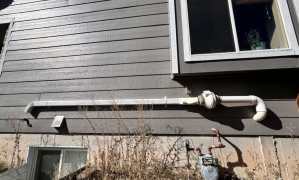
Radon mitigation systems typically use a method called active soil depressurization. This system works by creating negative pressure beneath the home’s foundation to prevent radon gas from entering the living space. A fan pulls radon from beneath the slab or crawl space and directs it through a vent pipe that releases the gas safely above the roofline. By redirecting radon outside, the system significantly reduces indoor radon levels. Properly installed mitigation systems can lower radon concentrations by up to 99 percent in many homes.
How Often You Should Test for Radon
Radon testing is recommended when buying or selling a home. Retesting should also occur after installing a mitigation system. Many experts suggest periodic testing every two to five years to monitor long-term changes. Renovations that alter airflow may also require additional testing. Homeowners may also choose to buy a good radon detector to monitor levels continuously.
Understanding Radon Risk and Long-Term Health Effects
Radon is a naturally occurring radioactive gas found in soil across the United States. Long-term exposure to elevated radon levels increases the risk of lung cancer. Because radon cannot be detected without testing, many homeowners are unaware of their exposure risk. Learning how to read a radon test allows homeowners to take appropriate action when levels are elevated. Understanding these results empowers homeowners to protect their indoor air quality and reduce long-term health risks.
If you want peace of mind about your radon levels, professional testing can provide accurate results and guidance. Schedule professional radon testing or mitigation with Better Colorado Radon today. Our team can evaluate your home, confirm test results, and recommend effective solutions to reduce radon exposure.