Most homeowners think of radon as an indoor air issue, but in many parts of Colorado, it can also be present in well water. In rural areas where private wells are common, radon can dissolve into groundwater and enter homes through everyday water use. Activities like showering, washing dishes, and doing laundry can release radon gas into the air. Once released, it behaves just like radon from soil and contributes to indoor air exposure. Understanding radon in well water is important because it can quietly impact your home’s air quality without obvious warning signs.
What Is Radon in Well Water
Radon in well water refers to radon gas that has dissolved into groundwater before entering a home’s plumbing system. Radon is a radioactive gas that forms naturally through the breakdown of uranium in soil and rock. When groundwater flows through these materials, it can absorb radon and carry it into private wells. Homes that rely on well water are more likely to have radon in their water supply compared to homes connected to municipal systems. Once this water is used inside the home, the radon can be released into the air. To learn more about radon in Colorado, read our blog Colorado Radon Facts You Should Know.
Ground Water vs Surface Water
Groundwater and surface water behave very differently when it comes to radon exposure. Groundwater comes from underground aquifers and is more likely to contain radon because it is in direct contact with radon-producing soil and rock. Surface water, such as lakes and reservoirs, typically has much lower radon levels because radon escapes into the air before reaching treatment systems. This is why municipal water supplies usually have minimal radon concerns. Private wells, on the other hand, draw directly from underground sources where radon may still be present. For homeowners using well water, testing becomes especially important.
How Radon Enters Your Home Through Water
Radon in well water enters the home through the plumbing system and becomes a concern when it is released into indoor air. When water is used for everyday activities, like showers, radon gas escapes from the liquid into the surrounding air. This process is known as off-gassing. The more water that is used, the more radon can be released. Over time, this contributes to overall indoor radon levels. This is why waterborne radon is often treated as an air quality issue.
Why Showers Are the Biggest Source
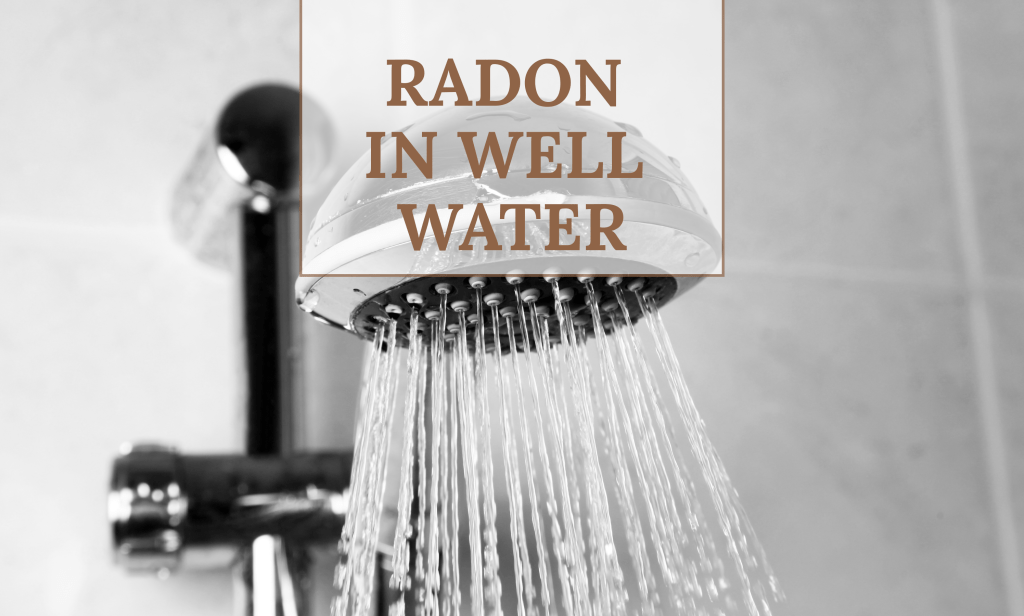
Showers are one of the largest contributors to radon release from water. When hot water is sprayed through a showerhead, it creates fine droplets that increase the surface area for radon to escape. The steam and heat further accelerate this process, releasing radon into the bathroom air. Because bathrooms are enclosed spaces, radon can accumulate quickly during and after showers. Other activities like running dishwashers and washing machines also contribute, but showers typically release the highest concentrations. This makes bathroom ventilation an important factor in managing radon exposure.
Is Radon in Well Water Dangerous?
Radon in well water becomes dangerous primarily when it enters the air and is inhaled. The main health risk associated with radon exposure is lung cancer, which develops over long-term exposure. While radon can be ingested through drinking water, this risk is considered much lower compared to inhalation. The real concern is how much radon is released into the air during daily water use. Over time, repeated exposure can increase health risks for occupants. This is why testing and mitigation are important for homes with private wells.
Drinking Water vs Breathing Air
There is a significant difference between ingesting radon and inhaling it. When radon is consumed through drinking water, it poses a relatively small risk to internal organs. However, when radon is released into the air and inhaled, it directly affects lung tissue. This is the primary pathway associated with lung cancer risk. Activities that release radon into the air increase this exposure significantly. Because of this, mitigation efforts focus on reducing airborne radon rather than just treating the water itself.
What Are Safe Radon Levels in Water?
Radon levels in water are measured in picocuries per liter, the same unit used for air testing. However, there is no universal federal limit for radon in drinking water. The EPA has proposed guidance levels, but these are not always enforced nationwide. In general, higher radon levels in water can contribute to increased indoor air concentrations. For example, 10,000 pCi/L in water can add about 1.0 pCi/L to indoor air. Because of this relationship, both air and water levels should be considered together. Testing is the only way to determine whether radon in well water is contributing to indoor exposure.
How to Test for Radon in Well Water
Testing for radon in well water requires specialized equipment and procedures that differ from standard air tests. Water samples must be collected carefully to avoid losing radon gas before analysis. These samples are typically sent to certified laboratories for accurate measurement. Homeowners using private wells in Colorado should consider testing both their water and indoor air. Professional testing ensures reliable results and proper interpretation. Learn more about testing options through our Residential Radon Testing services.
How to Remove Radon From Well Water
Removing radon from well water typically involves treatment systems installed at the point where water enters the home. These systems are designed to reduce radon levels before the water is used indoors. The goal is to prevent radon from being released into the air during daily activities. Treatment methods vary depending on radon concentration and household needs. Choosing the right system requires proper testing and evaluation. Professional guidance helps ensure the system is effective and properly sized.
Aeration Systems (Most Effective)
Aeration systems are the most effective method for removing radon from water. These systems work by spraying or agitating water in a sealed tank, allowing radon gas to escape. The released radon is then vented safely outside the home. Aeration systems can remove up to 99 percent of radon from water. They are especially effective for homes with high radon concentrations. Although they have a higher upfront cost, they provide reliable long-term performance.
Granular Activated Carbon (GAC) Filters
Granular activated carbon filters are another option for reducing radon in water. These systems use carbon material to absorb radon as water passes through the filter. GAC filters are generally less expensive than aeration systems and easier to install. However, they are typically recommended for lower radon levels. Over time, the carbon can become radioactive and may require proper disposal. For higher radon concentrations, aeration systems are usually preferred.
Do You Need to Worry About Radon in Your Water?
Radon in well water is more common in rural Colorado homes that rely on private wells. It is often overlooked because most homeowners focus only on air testing. However, waterborne radon can contribute to indoor air levels and increase overall exposure risk. If your home uses a well, testing both air and water is the safest approach. Identifying all potential radon sources ensures a complete understanding of your home’s indoor air quality.
If you want to protect your home and your health, take the next step with professional testing. Schedule radon testing with Better Colorado Radon to evaluate both your indoor air and well water. Our team can help identify risks and recommend the right solutions for your home.