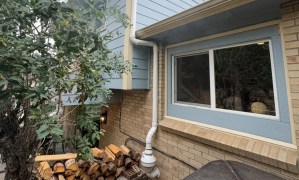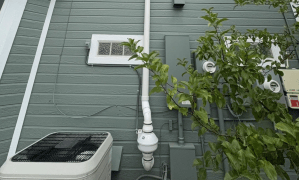
If you’re wondering where radon is found in homes, the answer might surprise you. Almost anywhere air can enter your foundation. Radon is a naturally occurring radioactive gas that forms when uranium in soil and rock breaks down. Because it’s invisible and odorless, radon can build up inside homes without warning, creating serious health risks for you and your family.
Colorado’s unique geology and elevation make it one of the most radon-prone states in the nation. Knowing where radon comes from and how it enters your home is the first step in protecting your indoor air quality and your health.
The Vitality of Understanding Where Radon is Found in Homes
Understanding where radon is found in homes isn’t just a matter of curiosity; it’s a matter of safety. According to the Environmental Protection Agency (EPA), radon exposure is the second leading cause of lung cancer in the United States, responsible for roughly 21,000 deaths each year.
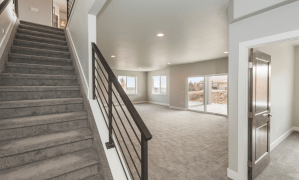
Because radon levels can vary dramatically from one house to another, even between neighbors, it’s essential to recognize that any home can be affected. Radon seeps through cracks, gaps, and other openings in the foundation, drawn inside by natural air pressure differences. Once trapped indoors, the gas can accumulate to unsafe levels, especially in lower areas such as basements and crawl spaces.
Learning where radon typically enters is the foundation of prevention and can help you take informed action toward testing and mitigation.
Understanding the “Vacuum Effect”: How Radon is Sucked Inside
To truly understand where radon is found in homes, you need to know how it moves. Most homes act like a vacuum, constantly drawing air, and whatever’s in it, from the soil below.
This “stack effect” or “vacuum effect” happens because warm air naturally rises and escapes through upper levels of the home. As that warm air exits, lower air pressure forms at the base of the home. The house then pulls replacement air from the ground to equalize pressure. Unfortunately, that replacement air often contains radon.
The stronger the pressure difference — from weather, heating systems, or wind — the more aggressively radon can be drawn inside. This means that even the smallest cracks or openings in your foundation can become entry points for radon infiltration.
Top 7 Radon Entry Points in Your Home
Radon is an invisible gas that can seep through even the smallest of gaps in the foundation. Here are the most common places where radon is found in homes:
1. Cracks in the Foundation and Slab
The most frequent entry point for radon is through foundation cracks. Over time, concrete naturally expands, contracts, and shifts, creating small fissures that allow soil gases to pass through.
Even hairline cracks can permit radon to enter, especially when combined with the pressure difference between indoor and outdoor air. Foundation cracks in basements, slabs, or garage floors are high-risk zones for radon intrusion.
2. Sump Pumps and Floor Drains
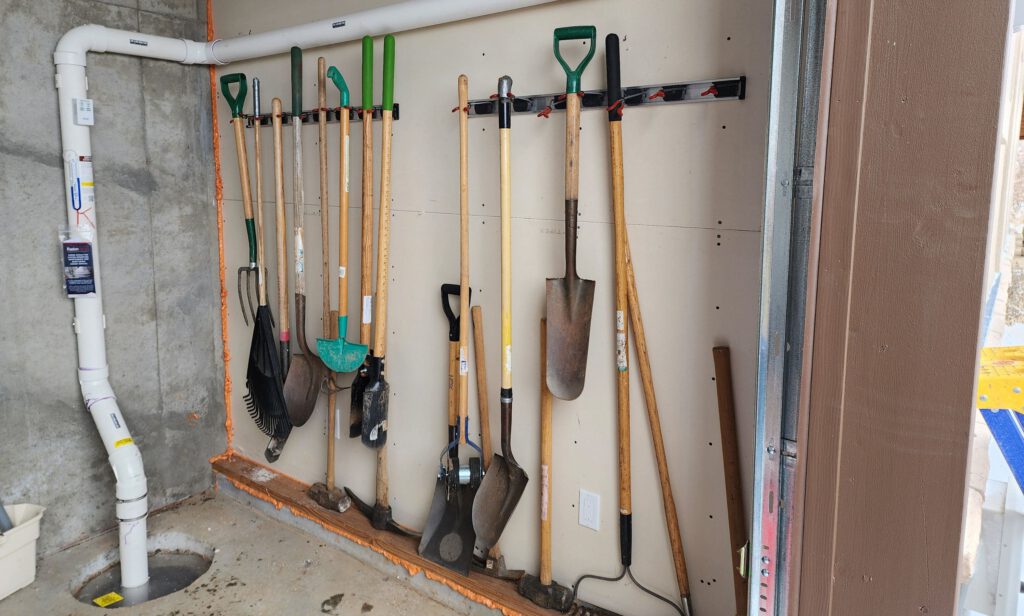
If your home has a sump pump or floor drain, these areas are prime access points for radon gas. Because they connect directly to the soil beneath your home, they create a direct pathway for radon to move upward.
When considering where radon is found in homes, sump pits are often overlooked but should always be sealed properly during mitigation. Professional radon mitigation systems include airtight sump covers and sealed drain systems to prevent ongoing gas entry while still allowing for water drainage.
3. Construction Joints (Wall-to-Floor)
Where your foundation wall meets the floor slab, a small gap, known as a construction joint, naturally exists. This seam is a common point of radon entry, as it’s a direct route between soil gas and indoor air.
These joints can expand over time due to settling, creating a larger path for radon to travel through. During mitigation, these joints are typically sealed with polyurethane caulk or other gas-resistant materials to reduce entry.
4. Gaps Around Utility Pipes and Wires
Radon can easily slip through gaps created for electrical wiring, plumbing, or HVAC ducts. Any place where a pipe or conduit penetrates your foundation or slab can serve as a mini “chimney” for radon gas.
Plumbers, electricians, and builders often drill holes to accommodate installations, and unless those openings are sealed afterward, they remain open invitations for soil gases. A professional radon mitigation specialist will inspect and seal these penetrations as part of a comprehensive mitigation plan.
5. Exposed Dirt in Crawl Spaces
Crawl spaces are one of the most common areas where radon is found in homes. Exposed soil provides a direct route for radon to enter and circulate through the home’s air system. Even if your crawl space seems ventilated, radon can still accumulate in dangerous amounts.
Encapsulating your crawl space with a vapor barrier dramatically reduces radon infiltration, moisture problems, and energy loss. Learn more about this solution on our page for Crawl Space Encapsulation.
6. Hollow Concrete Masonry Units (Cinder Blocks)
Radon doesn’t just travel through cracks; it can also move through porous building materials, such as cinder blocks. These hollow masonry units can act as channels, allowing radon gas to flow through the block cores and escape into living areas.
If your basement or foundation walls are made of cinder block, this material may contribute to elevated radon levels even if visible cracks are minimal. Proper sealing and depressurization systems can help reduce this risk.
7. Well Water Supply
While less common, radon can also enter homes through well water. When groundwater passes through uranium-rich rock, radon can dissolve into the water supply. As you use water for showering, washing dishes, or doing laundry, the gas is released into the air.
Although this source typically contributes less radon than soil infiltration, it can still be significant in some regions. A professional radon test can determine whether both air and water should be analyzed in your home.
Foundation Type Matters: Slab-on-Grade vs. Basement vs. Crawl Space
No matter what type of foundation your home has, radon can still enter. However, the pathways and solutions differ.
- Slab-on-grade homes: Radon enters through floor cracks and utility penetrations. Sub-slab depressurization systems are most effective here.
- Basement foundations: Radon can infiltrate through the floor, walls, sump pits, and cold joints. Sealing and active mitigation fans are often required.
- Crawl spaces: Exposed dirt floors are a major contributor to radon levels. Encapsulation and vent pipe systems help block and redirect the gas outdoors.
Understanding these distinctions ensures your mitigation system is designed to fit your foundation type, providing the most reliable long-term protection.
Don’t Guess Where Radon is Found: Test to Know for Sure
While you can learn where radon is found in homes, the truth is that you can’t see or smell radon, and every home is different. The only way to know your risk is through professional testing.
DIY test kits can give a basic indication, but for the most accurate results, hire a certified radon professional who uses calibrated equipment. Testing provides concrete data, showing if your home’s radon level exceeds the EPA’s action level of 4.0 pCi/L and guiding your next steps for mitigation.
Know Where Radon is Found in YOUR Home Today
Radon doesn’t discriminate. It’s found in homes old and new, across all types of foundations, in every part of Colorado. Knowing where radon is found in homes helps you stay proactive, but testing is the only way to know for sure if your air is safe.
At Better Colorado Radon, we provide licensed, professional testing and mitigation services that protect Colorado families, homeowners, and real estate professionals. Our certified team takes the guesswork out of the process and delivers clear, reliable results you can trust.
Ready to find out where radon is found in your home?
Contact Better Colorado Radon today to schedule your professional radon test and take the first step toward cleaner, safer air.