Radon gas is an invisible, odorless, and tasteless radioactive element that poses a serious health risk to people across the country. For residents of the Centennial State, this threat is particularly acute. Due to our unique geological composition, Colorado is categorized as an EPA Zone 1 state, meaning a significant portion of our properties are at high risk of elevated indoor radon levels. If you own or occupy a building in Colorado, understanding radon facts is the crucial first step in protecting your family’s health. At Better CO Radon, we believe that informed homeowners are safe homeowners. We’ve compiled the essential facts you need to know to take action against this silent killer.
Why is Knowing Radon Facts in Colorado Important?
Radon is a naturally occurring radioactive gas, that is present in both residential and commercial buildings throughout Denver and the United States. As elements in the soil decay, radon can be emitted as a gas and find its way into properties.
However, the levels of radon vary significantly across different states and counties, with Colorado exhibiting higher levels of indoor radon. Colorado is classified as a Zone 1 state—the designation given to areas with the highest potential for elevated indoor radon. This geological reality means that the danger here is not theoretical; it is statistically proven. Approximately one in two tested homes in Colorado has radon levels at or above the EPA’s recommended action level of 4 picocuries per liter (pCi/L).
Therefore, it is imperative to monitor indoor air quality, especially in these regions, to ensure that radon levels remain within safe limits to prevent any potential health hazards. According to the EPA and Surgeon General, no level of indoor radon exposure is safe. While many property owners are aware that radon is a health and safety hazard, few fully understand the extent of the dangers posed by indoor radon exposure. Knowing these facts transforms you from a passive resident to an active defender of your home.
6 Essential Radon Facts to Add to Your Knowledge Bank
The only defense against an unseen threat is reliable knowledge. Radon exposure is completely preventable, but prevention starts with education. Here are the six most critical radon facts every Colorado homeowner must know.
1. Radon is the Leading Cause of Lung Cancer Among Non-Smokers
This is perhaps the most shocking and life-altering fact about radon. While smoking remains the number one overall cause of lung cancer, radon gas is the leading cause of lung cancer for people who have never smoked. The U.S. Environmental Protection Agency (EPA) estimates that radon-induced lung cancer is responsible for about 21,000 deaths annually in the United States.
The health risk is derived from radon’s decay chain. When radon is inhaled, its tiny, radioactive decay products (known as progeny) can become trapped in your lungs. As these particles continue to decay, they release damaging alpha radiation bursts that injure the DNA in your lung tissue, leading to the formation of cancer cells over a prolonged period. This long-term, cumulative exposure is why the health risk is so serious, and why early detection is critical.
2. You Cannot Detect Radon Without a Test
Radon is a noble gas, meaning it is colorless, odorless, and tasteless. There is no warning sign—no strange smell, no visible haze, and no short-term symptoms—to alert you that your home is contaminated.
This fact makes self-reliance impossible. You cannot simply trust your senses. Many homeowners assume that if their air quality were dangerous, they would know it. With radon, you would not. Because the gas is naturally present in the ground, and its entry is constant, radon testing is the only way to measure its concentration and determine your family’s risk level. Guessing is simply not worth the risk.
3. All Homes in Colorado—New or Old—Are Susceptible
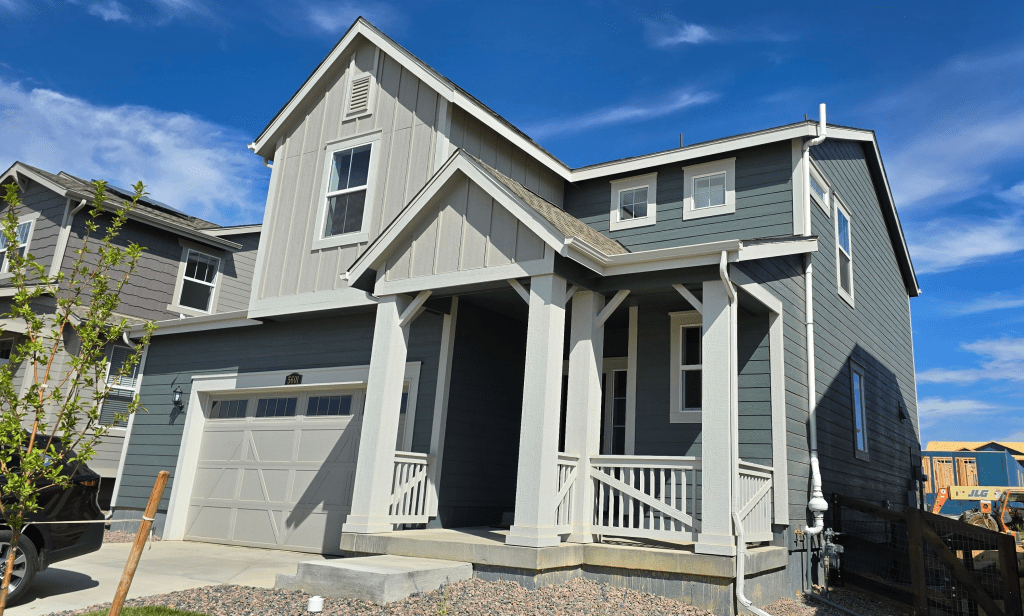
It is a myth that only old, drafty homes or those with crawl spaces are at risk. Radon is found in all sorts of places in homes and comes from the decay of uranium in the soil, not the house materials. Therefore, any structure that touches the ground is susceptible, regardless of age, condition, or foundation type (basement, slab-on-grade, or crawl space).
The gas is pulled into the home by the stack effect, where the slightly warmer indoor air rises and escapes, creating a negative pressure zone at the foundation level. This pressure differential acts like a vacuum, drawing radon through every tiny opening:
- Cracks and pores in concrete slabs.
- Gaps around utility pipes, well lines, and floor drains.
- Construction joints between the floor and walls.
4. Radon Levels Fluctuate by Season and Day
Radon concentrations are not constant; they vary significantly over the course of a day and seasonally. This fluctuation is primarily due to weather and changes in a home’s ventilation.
- Seasonal Highs: Levels are typically highest in the fall and winter when windows and doors are closed, and the furnace is running. This sealing of the home reduces ventilation, trapping the gas inside, and the heating process often enhances the stack effect. This makes the cold weather months the optimal time for “winter radon testing”.
- Daily Swings: Barometric pressure, snow cover, wind, and rain can all influence the rate at which radon is drawn from the soil. A single, short-term test is a snapshot, which is why long-term testing (90+ days) provides the most accurate annual average reading of your home’s risk.
5. Radon Levels Vary Dramatically Even Between Neighbors
Due to the localized nature of the geology and soil density, indoor radon levels can be drastically different even between homes built side-by-side. One home may test at a safe 1.0 pCi/L, while the neighbor’s home may test at a hazardous 8.0 pCi/L.
- Localized Geology: The depth of the soil, the concentration of uranium-rich granite, and the porosity of the underlying earth are unique to every building lot.
- Construction Variables: Different foundation designs, the quality of sealing, and the presence of underlying gravel beds can all affect radon infiltration rates.
This means you cannot rely on community averages or your neighbor’s test results for your own safety assessment. While resources like a Colorado radon map can indicate a regional potential for high levels, individual, regular testing is non-negotiable for personal protection.
6. Mitigation Works and Significantly Reduces Health Risk
If testing reveals high levels (4 pCi/L or higher, or even between 2 and 4 pCi/L), the solution is proven, affordable, and highly effective. Radon mitigation systems, primarily Active Soil Depressurization (ASD) systems, work by reversing the process of radon entry.
A certified technician installs a vent pipe and a low-energy fan that creates continuous suction beneath your home’s foundation. This actively pulls the radon gas from the soil and safely vents it outside above the roofline before it has a chance to enter the occupied spaces of your home. A professional, properly installed system can reduce indoor radon levels by up to 99%, effectively eliminating the majority of the risk and offering lasting protection.
How to Keep Your Family Safe From Radon
Taking control of your home’s air quality and safeguarding your family from radon involves a proactive approach built on two simple, yet vital, actions:
1. Test, Test, Test
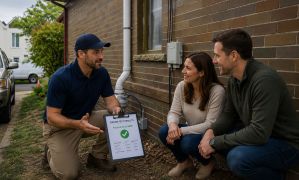
The U.S. Surgeon General strongly recommends that every home be tested for radon. Testing is inexpensive and is the single most important step you can take.
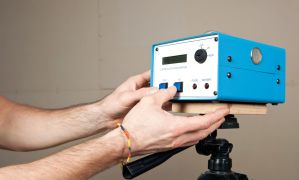
- Initial Test: Use an approved short-term test kit (2-7 days) or hire a professional to use a Continuous Radon Monitor (CRM) to get a rapid assessment.
- Confirmation/Long-Term Test: If the initial short-term test is high, a follow-up test is recommended. A long-term test (90+ days) provides the most accurate average and is often the best representation of your home’s true annual exposure risk.
- Re-Test Regularly: Since conditions change, the EPA recommends retesting your home every two years, or after any significant home renovations that affect the foundation or HVAC system.
2. Mitigate if Levels are High
If your professional testing confirms radon levels at or above the 4 pCi/L action level, you must take immediate steps to mitigate.
- Hire a Certified Professional: Radon mitigation is a specialized field. Always hire a radon professional certified by the National Radon Proficiency Program (NRPP) or your state equivalent to ensure the system is properly designed and installed to local and national standards.
- Understanding the Action Level: While 4 pCi/L is the action level, the EPA encourages homeowners to consider mitigation even at levels between 2 pCi/L and 4 pCi/L, as the risk is cumulative and non-zero.
We’re Here For You, Colorado
As a homeowner or building manager in a high-risk area like Colorado, the presence of radon gas is a reality you cannot afford to ignore. The danger is real—it is the leading environmental cause of cancer mortality and the primary cause of lung cancer among non-smokers.
By knowing these radon facts, you are now equipped to take the necessary steps to protect your property and your loved ones. At Better CO Radon, we are committed to providing the highest quality testing, analysis, and guaranteed mitigation services to the people of Colorado.
Don’t live another season with the unknown risk of radon exposure looming over your family. Take action today to ensure your indoor air quality is safe.
Contact us to schedule your professional radon test and take the definitive step toward a safer, healthier home environment.