
If you have seen the radon map of Colorado, you may be surprised by how widespread the risk truly is. Almost every county in Colorado is marked as having elevated potential for radon gas, and that includes both the Front Range and mountain regions.
Radon is a naturally occurring radioactive gas that forms when uranium in soil and rock breaks down. It moves upward through the ground and can seep into homes through cracks, gaps, and other openings in the foundation. Because radon is colorless and odorless, there is no way to detect it without proper testing.
The Colorado radon map provides an overview of where higher radon levels are likely to be found. However, it is important to understand that the map only predicts potential risk. It cannot confirm whether a specific home or building has a radon problem. The only way to know for sure is to have a professional test performed.
In this guide, you will learn why Colorado has some of the highest radon levels in the country, how to read and interpret the EPA’s radon map, and what steps you can take if your county is labeled as high-risk.
Why is Checking the Colorado Radon Map so Important?
The Colorado radon map is not simply a chart of colors on a page. It is a warning about invisible risk and a tool for prevention. More than half of all homes tested in Colorado show radon levels above the Environmental Protection Agency’s action threshold of 4.0 picocuries per liter (pCi/L). This means that one in every two homes in our state could be exposing residents to unsafe air without anyone realizing it.
Understanding the map is essential for homeowners, real estate professionals, builders, and renters alike. Even newer or energy-efficient homes are not immune, because radon can enter through any small opening connected to the soil.
The 50 Percent Rule: Why Colorado Is Different
Colorado is unique because of its geology and altitude. The Rocky Mountains are rich in granite and other uranium-containing minerals. As uranium naturally decays underground, radon gas is released into the surrounding soil and rock layers.
Colorado’s cold winters also contribute to the problem. When homes are tightly sealed for warmth, indoor air pressure changes and creates a vacuum effect. This draws more radon from the soil into the home. The longer windows and doors remain closed, the more concentrated the gas can become.
According to the Colorado Department of Public Health and Environment, more than half of all homes in the state exceed safe levels of radon. The issue is not limited to older houses or rural areas. Even homes built within the last few years can show high test results, especially along the Front Range corridor and in high-altitude mountain communities.
Health Risks by the Numbers
Radon exposure is a serious health issue. The Environmental Protection Agency identifies radon as the number one cause of lung cancer among non-smokers in the United States. Each year, about 21,000 people nationwide die from radon-related lung cancer.
Did you know that 50% of CO homes test high for radon levels?
Long-term exposure to radon damages the lining of the lungs when radioactive particles are inhaled. The risk increases with higher levels and longer exposure times. Smokers who are also exposed to radon face an even greater risk of developing cancer.
Because radon cannot be detected by sight or smell, testing is the only reliable way to identify the problem. The Colorado radon map helps you understand where risk is likely, but testing tells you what is actually happening in your home.
Here’s Our Colorado Radon Map
The EPA’s radon map of Colorado divides the state into three risk zones based on predicted average indoor radon levels. These zones are determined by analyzing local geology, soil permeability, and past testing data.
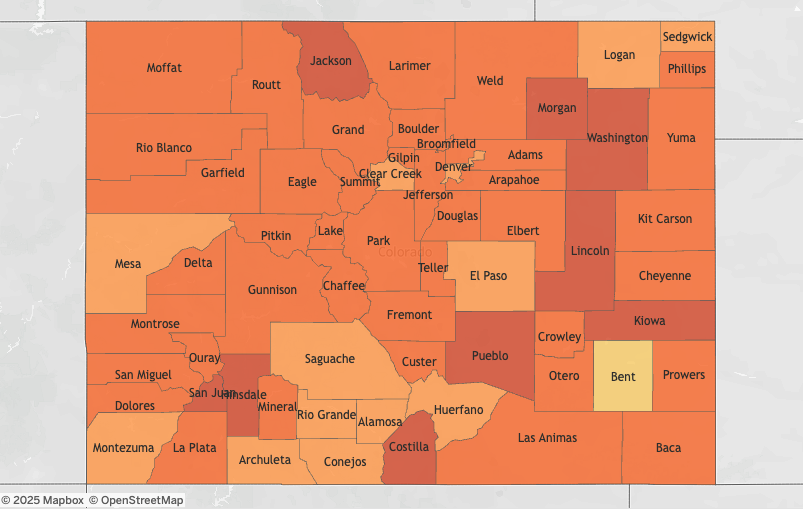
- Zone 1 (Red): Highest potential. Average indoor levels above 4.0 pCi/L.
- Zone 2 (Orange): Moderate potential. Average indoor levels between 2.0 and 4.0 pCi/L.
- Zone 3 (Yellow): Low potential. Average indoor levels below 2.0 pCi/L.
Most Colorado counties fall within Zone 2, which indicates a higher likelihood of radon accumulation. This includes major population centers such as Denver, Arapahoe, Jefferson, Boulder, and Larimer Counties. Even many mountain regions, including Summit and Eagle Counties, show elevated risk because of local rock formations rich in uranium.
Counties labeled as Zone 2 or Zone 3 should not be ignored. Homes in those regions can still test well above the action level, depending on local soil conditions and construction design.
How to Read the EPA Risk Zones
Each color on the radon map of Colorado represents an estimate based on regional data, not a guarantee for any individual home. The EPA uses geological surveys and previous testing results to classify areas by average potential.
A red Zone 1 classification means that homes in that area are more likely to test above the recommended limit. However, it does not mean every home will. Likewise, a Zone 3 area may have many homes that test higher than expected.
This is why the EPA and the Colorado Department of Public Health both recommend testing every home in the state. Radon levels can vary dramatically even between neighboring properties, depending on soil density, foundation type, and ventilation.
In Colorado, counties such as Douglas, Weld, and El Paso have reported test results that far exceed the national average. Some homes in these areas have measured levels above 20.0 pCi/L, which is five times higher than the EPA’s action threshold.
What the Map Means for You (Beyond the Zone)
The Colorado radon map should be viewed as an early warning system, not a definitive report. It helps you understand where elevated levels are more likely to occur and why testing should be prioritized in those regions.
If your county is shaded red or orange, it means your home may be at a higher risk for radon entry. But even if you live in a yellow area, you should not assume you are safe.
Important: The map predicts potential, but it does not measure your home’s actual air quality. Only a professional radon test can provide that information.
The next step after viewing the map is to take action—starting with testing. If your home tests above 4.0 pCi/L, mitigation is both effective and affordable.
What to Do if Your County Is High-Risk on the Radon Map of Colorado
If you discover that your county is listed as high or moderate risk, do not worry. Radon problems can be resolved through testing and professional mitigation. The process is straightforward and backed by decades of research and success.
Step 1: Professional Radon Testing
The first step is to measure the amount of radon in your home. A professional radon test uses specialized equipment to monitor radon levels over a 48-to-96-hour period. This method provides more reliable and accurate data than over-the-counter kits.
Certified technicians will place the testing device in the lowest livable level of your home, usually the basement or first floor. They will ensure that windows and exterior doors remain closed during the test to create consistent conditions.
Learn more in our guide: How Does a Professional Radon Test Work?
Once the test is complete, you will receive a detailed report showing your home’s average radon level. This information determines whether mitigation is necessary.
Step 2: Understand the Action Level (4.0 pCi/L)
The EPA’s action level for radon is 4.0 picocuries per liter. If your home’s test results are at or above this level, it is time to consider mitigation.
However, even readings between 2.0 and 4.0 pCi/L can present health risks, especially with long-term exposure. Many Colorado homeowners choose to reduce their radon levels below 2.0 pCi/L for additional safety.
The goal is not just to meet the EPA standard but to create a healthier living environment. Continuous monitoring or follow-up testing is recommended every few years to ensure that levels remain low.
Step 3: Professional Mitigation
If your radon levels are high, a professional mitigation system can reduce the gas to safe levels. Visit our Residential Mitigation page to learn how these systems work and what to expect.
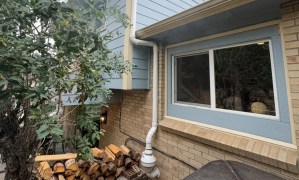
A standard mitigation system uses a vent pipe and fan to draw radon from beneath the foundation and release it safely above the roofline. The system continuously pulls air from under the house, preventing radon from entering the living space.
Additional sealing of foundation cracks and sump pits can help improve results. Most systems are quiet, energy efficient, and can lower radon levels by 80 to 99 percent.
Professional installation is essential. Certified specialists ensure that the system is properly designed, meets local building codes, and functions effectively year-round.
Radon Solutions for Colorado Homeowners, Builders, and Businesses
Knowing where radon is found in homes is an important part of understanding how to prevent it. Radon can enter through foundation cracks, utility openings, sump pits, or exposed soil. Learn more in our full article: Where Radon Is Found in Homes.
Better Colorado Radon provides customized solutions for every property type. Whether you own a single-family home, manage a commercial building, or are building new construction, we can help you address radon effectively.
Residential Homes
For existing homes, active soil depressurization is the most common and effective mitigation method. This approach uses a vent pipe and a continuously running fan to pull radon from beneath the foundation and release it outside.
The process is simple, but the results are powerful. Many homeowners see immediate reductions in radon levels. Sealing visible cracks and installing a vapor barrier or sump pit cover provides additional protection.
Testing should be repeated every two to three years, especially after home renovations or foundation work. Regular monitoring ensures your mitigation system continues to perform correctly.
New Construction
Builders across Colorado are taking proactive steps by including radon-resistant new construction systems in their projects. These systems incorporate sealed foundations, gas-permeable layers, and vent piping during the build phase.
Including these features adds minimal cost but offers significant long-term benefits. It is easier and less expensive to install mitigation components during construction than after a home is complete.
Even with radon-resistant systems, new homes should be tested after move-in. If the test results are elevated, a small fan can be added to make the system active. This upgrade is quick and cost-effective.
Crawl Spaces
Crawl spaces are one of the most common sources of radon entry in Colorado homes. The exposed soil and limited airflow allow radon to rise directly into the living space above.
Encapsulating the crawl space with a durable vapor barrier dramatically reduces radon infiltration. This barrier also prevents moisture buildup and improves overall air quality. Many homeowners choose to combine encapsulation with a sub-membrane depressurization system for added protection.
Properly sealing and venting the crawl space not only lowers radon but can also make your home more energy efficient and comfortable throughout the year.
Additional Considerations for Colorado Property Owners
Radon risk is not limited to single-family homes. Multi-unit housing, schools, and commercial buildings in Colorado can also experience high radon levels. The same principles of testing and mitigation apply to all building types.
For property managers and real estate professionals, testing before a sale or lease can protect both occupants and liability. Buyers increasingly expect radon testing to be part of home inspections, especially in high-risk counties.
Builders can also benefit from partnering with certified radon professionals. Installing preventive systems during construction helps meet local requirements and adds value to the finished property.
If you operate a business in Colorado, indoor air quality is an important part of employee health and safety. A radon test is a small investment that demonstrates care and compliance with best practices.
Don’t Stress About the Radon Map of Colorado, We Have Your Back
The radon map of Colorado is an important resource, but it only tells part of the story. Radon can vary widely from one home to the next, even on the same street. The only way to know your true level is to test.
At Better Colorado Radon, we proudly serve homeowners, builders, and businesses throughout the state. Our team holds the following credentials:
- NRPP Radon Mitigation License
- Colorado DORA License
- State Radon Mitigation Compliance Officer Certification
We use proven methods, advanced technology, and clear communication to make the testing and mitigation process simple and stress-free.
Whether you are checking your county on the Colorado radon map, buying a new home, or managing a property portfolio, our licensed team is here to help. We provide accurate testing, effective mitigation, and lasting peace of mind.
Take control of your indoor air quality today. Schedule a professional radon test with Better Colorado Radon and protect your home, your health, and your family.