
If you are asking how long do radon tests take, the short answer is that most tests take about 2-3 days, but the full timeline depends on the type of test you choose. Radon testing measures how much radon gas is present in your home, and different methods capture that data over different time frames. Timing matters because homeowners often need results quickly to make decisions about safety, repairs, or next steps. In situations where timing is critical, choosing the right test type can make a significant difference. Understanding the timelines ahead of time helps you plan effectively and avoid delays. Whether you are testing for peace of mind or making a time-sensitive decision, knowing what to expect ensures you stay in control of the process.
Quick Answer: How Long Does a Radon Test Take?
Typical Timeline for Short-Term Tests
Short-term radon tests are the most common option and typically take between 48 and 72 hours to complete. These tests are designed to provide a quick snapshot of radon levels under controlled conditions. Once the test period ends, results are often available shortly after, especially with professional equipment. Short-term tests are widely used when faster answers are needed. While they are reliable for screening, they may not capture long-term fluctuations in radon levels. For many homeowners, this timeline offers a practical balance between speed and accuracy.
Long-Term Testing Timelines
Long-term radon tests take 90 days or more to complete. These tests are designed to measure radon levels over an extended period, providing a more accurate average. Because radon levels fluctuate daily and seasonally, long-term testing captures a broader picture of exposure. This method is often recommended for confirming borderline results or understanding long-term risk. While it takes more time, it delivers higher confidence in the results. Homeowners who are not in a rush often choose this option for accuracy.
When You’ll Actually Get Results
The total time to receive results depends on both the test duration and how results are processed. Professional tests often provide results immediately after the testing period ends. DIY test kits may require additional time for shipping and lab analysis. In some cases, results can take several days beyond the testing window. Planning for both testing and processing time is important. Knowing this timeline helps avoid surprises when results are needed quickly.
Types of Radon Tests and Their Timelines
Short-Term Radon Tests
Short-term radon tests typically run for two to four days. They are designed to provide quick results and are commonly used for immediate decision-making. These tests are easy to deploy and widely available. However, they only capture a short window of radon activity. It is important that all doors and windows remain shut, except for normal entry and exit, during this short-term radon test to ensure the most accurate results. Short-term tests are ideal for screening rather than long-term analysis.
Long-Term Radon Tests
Long-term tests run for at least 90 days and often extend longer. They provide a more accurate picture of radon exposure over time. These tests are less affected by daily fluctuations. They are best used for confirming initial results or monitoring ongoing exposure. The longer duration improves reliability.
Continuous Radon Monitors
Continuous radon monitors are electronic devices used by professionals. They record radon levels at regular intervals throughout the testing period. These monitors provide detailed data and faster results. They are commonly used when accuracy and speed are both important. This makes them a preferred option in many situations.
DIY Test Kits vs Digital Radon Monitors
DIY radon test kits often require mailing samples to a lab. While most state governments offer free DIY radon test kits, this testing process adds time. Digital radon monitors provide continuous readings without requiring lab analysis. While DIY kits are more affordable, they can be slower overall. Digital monitors offer convenience and faster feedback. Choosing between the two depends on your timeline and goals.
Short-Term Radon Tests
How Long Short-Term Tests Take
Short-term radon tests usually take 48 to 96 hours to complete. This timeframe is designed to capture a representative sample of radon levels. During the test, specific conditions must be maintained to ensure accuracy. Results are typically available shortly after the test ends. This makes short-term testing the fastest option available.
Why They’re Used Most Often
Short-term tests are widely used because they provide quick results when timing matters. They are practical for situations where decisions need to be made within a few days. These tests are also easy to set up and require minimal disruption. Because of their speed, they are often the first step in radon testing. Homeowners can quickly determine whether further action is needed.
When a Follow-Up Test Is Recommended
A follow-up test may be recommended if results fall near the EPA action level. Additional testing helps confirm whether radon levels are consistently elevated and not influenced by short-term conditions. In some cases, a long-term test may be suggested for greater accuracy, especially when timing allows. However, when faster results are needed, such as during a home-buying or selling process, a second short-term test is often used to stay within decision timelines. Follow-up testing ensures decisions are based on reliable data while keeping transactions moving forward. This step is especially important when results are borderline and next steps need to be clearly defined.
Long-Term Radon Tests
Why Long-Term Testing Takes 90+ Days
Long-term testing takes 90 days or more because it measures radon levels over an extended period. This approach accounts for changes in weather, ventilation, and indoor air pressure. By capturing these variations, long-term tests provide a more accurate average. The extended duration reduces the impact of short-term fluctuations. This makes the results more reliable for long-term health considerations.
When Long-Term Testing Makes Sense
Long-term testing is ideal when accuracy is more important than speed. It is often used to confirm initial test results or monitor radon levels over time. Homeowners who are not facing immediate deadlines may prefer this method. It provides a clearer understanding of overall exposure. This makes it a valuable tool for long-term planning.
Seasonal Accuracy Considerations
Radon levels can vary depending on the season. Winter often produces higher readings due to the stack effect and closed-house conditions. Long-term testing captures these seasonal changes more effectively. This helps provide a more balanced view of radon exposure. Understanding seasonal variation is important for accurate results.
How Long It Takes to Get Radon Test Results
Professional Testing Turnaround Times
Professional radon testing often provides results immediately after the test period ends. Continuous monitors record data in real time, allowing for quick reporting. This makes professional testing one of the fastest options available. Results are typically shared within hours of test completion. This quick turnaround is especially helpful when timing is critical.
DIY Kit Lab Processing Times
DIY radon test kits require additional time for lab processing. After the test period, the kit must be mailed to a laboratory for analysis. Shipping time can add several days to the overall timeline. Once received, the lab processes the sample and reports results. This can extend the total timeline beyond a week. Check out our blog on Best Radon Detectors for the Home.
What Can Delay Your Results
Several factors can delay radon test results. Mailing delays are common with DIY test kits. Incorrect setup or failure to follow instructions can also affect accuracy. If testing conditions are not maintained, results may be invalid. Retesting may then be required, adding more time. Planning ahead helps avoid these delays.
DIY vs Professional Radon Testing: Timeline Differences
DIY Testing Timeline
DIY testing includes setup, test duration, shipping, and lab processing. Each step adds time to the overall process. While the test itself may only take a few days, the full timeline can extend longer. This makes DIY testing slower overall. It may still be a good option for non-urgent situations and gathering baseline data.
Professional Testing Timeline
Professional testing offers a faster and more controlled process. Certified professionals handle setup, monitoring, and reporting. Results are typically available immediately after the test period ends. This reduces delays and improves accuracy. For many homeowners, this is the most efficient option.
When Professional Testing Is the Better Option
Professional testing is often the better choice when timing and accuracy are both important. It reduces the risk of errors and delays. Learn more about professional services through our Residential Radon Testing page. Certified testing ensures reliable results. This provides confidence in your next steps.
Where to Place a Radon Test for Accurate Results
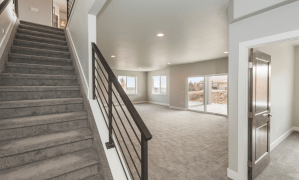
Lowest Livable Level of the Home
Radon tests should be placed in the lowest livable level of the home. This is where radon levels are typically highest. Testing in this area provides the most accurate reading. It reflects the point where radon enters the home. Proper placement is essential for reliable results.
Proper Height and Positioning
Radon detectors should be placed at an appropriate height, typically between 2 and 6 feet above the floor. They should be located away from walls, windows, and direct airflow such as vents. Proper positioning ensures accurate measurement. Following guidelines improves test reliability. Placement errors can affect results.
Where NOT to Place a Test
Radon tests should not be placed in kitchens, bathrooms, or near windows. These areas can produce inaccurate readings due to airflow and humidity. Avoid placing detectors near vents or exterior doors. Proper placement ensures consistent results. Following instructions is critical.
What Happens After a Radon Test?
Understanding Your Results
Radon test results are reported in picocuries per liter. This measurement indicates the concentration of radon in the air. Understanding this number helps determine the next steps. The EPA recommends mitigation when the result is 4.0 pCi/L or greater. Learn more in our blog on How to Read a Radon Test. Accurate interpretation is essential.
When to Retest
Retesting may be recommended if results are borderline or conditions change. Seasonal variations can affect radon levels. Retesting helps confirm initial findings. It ensures decisions are based on reliable data. This step provides additional confidence.
When to Move Forward with Mitigation
If radon levels exceed the EPA action level of 4.0 pCi/L, mitigation is recommended. Mitigation systems reduce radon levels effectively. Acting quickly helps minimize exposure. Professional evaluation ensures proper installation. This is the next step for elevated results.
Next Steps Based on Your Radon Test Result
Low Results – Below 2.0 pCi/L
Low radon levels generally do not require action. However, periodic testing is still recommended. It could be recommended to test again in a different season when windows and doors are more consistently closed for more accurate results. Conditions can change over time. Monitoring ensures continued safety and provides peace of mind.
Moderate Results – 2.0–4.0 pCi/L
Moderate levels may require additional testing. Homeowners may choose to reduce levels further. Long-term testing can provide more accurate data. This helps guide decisions. Understanding the risk is important.
High Results – Above 4.0 pCi/L
Radon levels of 4.0 pCi/L and above require action. Mitigation systems are recommended to reduce exposure. Learn more in our blog on How to Read a Radon Test. Addressing the issue quickly is important as it protects long-term health.
How Long Do Radon Tests Take?
Most radon tests take 2 to 3 days, making them a fast and effective way to assess indoor air quality. Long-term tests take longer but provide a more accurate picture of exposure over time. Choosing the right test ultimately depends on your timeline, your goals, and how quickly you need reliable results to make a decision. In situations where deadlines are involved, even a few days can impact next steps, negotiations, or planning. Understanding your options ahead of time allows you to choose the right testing method without unnecessary delays.
When timing matters, planning ahead is key. Scheduling testing early, selecting the appropriate method, and working with a reliable provider can help ensure you stay on track and avoid last-minute complications. The sooner you test, the sooner you have clarity and can confidently move forward with your next step, whether that is monitoring, retesting, or mitigation.