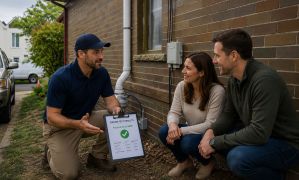
The radon testing home inspection process is a critical step in many real estate transactions, especially in states like Colorado, where radon levels are often elevated. Radon testing measures the amount of radon gas present in a home’s indoor air during the inspection period. While not always included in a standard home inspection, it is frequently added as an additional service due to the health risks associated with radon exposure. Buyers, sellers, and real estate agents rely on this testing to make informed decisions before closing. In Colorado’s high-radon zones, it is considered a best practice rather than an optional step. Better Colorado Radon serves as a trusted resource for agents, buyers, and sellers who need fast, accurate, and reliable radon testing during this time-sensitive window.
Quick Answer: Is Radon Testing Included in a Home Inspection?
Is Radon Testing Part of a Standard Home Inspection?
Radon testing is not typically included in a standard home inspection. A general home inspection focuses on structural elements, electrical systems, plumbing, and visible safety concerns. Radon testing requires specialized equipment and specific protocols that go beyond the scope of most inspections. Because of this, it is usually offered as an add-on service. Buyers should always confirm whether radon testing is included or needs to be scheduled separately. In Colorado, many inspectors will recommend it even if it is not automatically included.
When Radon Testing Is Added as an Additional Service
Radon testing is often added during the inspection period as an optional but strongly recommended service. Buyers may request it directly, or agents may suggest it based on the property location. In some cases, sellers choose to complete radon testing before listing their home to avoid surprises. Adding radon testing early in the process allows time for follow-up actions if needed. Because the testing window is short, it is important to schedule it as soon as the inspection is booked. This ensures results are available before contingency deadlines.
Who Typically Orders the Radon Test
In most transactions, the buyer orders the radon test during the inspection period. Buyers want to confirm indoor air quality before committing to the purchase. However, sellers sometimes order testing in advance to provide transparency and build buyer confidence. Real estate agents often help coordinate testing and ensure deadlines are met. In competitive markets, having pre-existing radon results can streamline negotiations. Regardless of who orders the test, all parties benefit from clear and accurate data.
Why Radon Testing Matters in Real Estate Transactions
Health Risks of Radon Exposure
Radon is a naturally occurring radioactive gas that can accumulate indoors without warning. Long-term exposure to elevated radon levels is the second leading cause of lung cancer in the United States. Because radon is invisible and odorless, testing is the only way to detect it. In real estate transactions, understanding radon levels is essential for protecting future occupants. Buyers want to ensure the home is safe, while sellers want to avoid delays or concerns later in the process. This makes radon testing a practical step, not just a precaution.
Why Buyers Should Test Before Closing
Buyers should complete radon testing before closing to make informed decisions about the property. If elevated levels are found, buyers may request mitigation or negotiate repairs. Testing during the inspection period ensures there is enough time to address any issues. Without testing, buyers may unknowingly move into a home with elevated radon levels. This can lead to unexpected costs and concerns after the purchase. Early testing provides clarity and control during the transaction.
Why Sellers Should Test Before Listing
Sellers can benefit from testing before listing their home. Pre-listing radon results provides transparency and helps avoid surprises during negotiations. If radon levels are elevated, sellers can address the issue in advance. This can make the home more attractive to buyers and reduce delays. Providing documented results also builds trust with potential buyers. In Colorado, where radon is common, proactive testing can be a strong advantage.
How Radon Enters a Home
Common Entry Points
Radon enters homes through openings in the foundation and lower structure. These include cracks in concrete slabs, gaps around plumbing pipes, and sump pits. Crawl spaces with exposed soil are also common entry points. Even well-built homes have small openings that allow radon to seep inside. Over time, these entry points can increase due to settling or wear. This is why radon testing is recommended for all homes, regardless of condition.
Why Even New or “Well-Sealed” Homes Can Have Radon
New construction does not guarantee low radon levels. In fact, newer homes can sometimes trap radon more effectively due to improved energy efficiency. Tight building envelopes reduce airflow, which allows radon to accumulate indoors. Even well-sealed homes still have minor gaps that allow radon entry. The stack effect can also pull radon into the home regardless of age or condition. This makes testing important for both new and older properties.
Why Location Alone Doesn’t Guarantee Safe Levels
While Colorado is known for higher radon levels, location alone does not determine risk. Two homes in the same neighborhood can have very different radon concentrations. Soil composition, foundation design, and ventilation patterns all play a role. This variability makes testing essential for every property. Assumptions based on location can lead to inaccurate conclusions. Only testing can confirm actual radon levels.
How Radon Testing Works During a Home Inspection
Short-Term Testing (Most Common for Real Estate)
Short-term radon testing is the most common method used during a home inspection. These tests typically run for 48 to 96 hours. They provide quick results that fit within the inspection timeline. Short-term testing is designed to capture a snapshot of radon levels under controlled conditions. It is widely accepted for real estate transactions. However, follow-up testing may be recommended if results are borderline.
Closed-House Conditions Explained
Closed-house conditions are required during radon testing to ensure accurate results. This means windows and exterior doors must remain closed, except for normal entry and exit. Heating and cooling systems can operate as usual, but outside air should not circulate freely. These conditions prevent outside air from diluting indoor radon levels. Maintaining closed-house conditions is critical for valid test results. Agents and homeowners should coordinate to ensure compliance.
Where Testing Devices Are Placed
Radon testing devices are placed in the lowest livable level of the home. This is typically a basement or ground-level space where radon is most likely to accumulate. Devices should be positioned away from drafts, windows, and high-traffic areas. Proper placement ensures accurate readings. Certified professionals follow strict guidelines for placement and setup. This consistency helps produce reliable results.
Typical Timeline for Results (2–3 Days)
Most radon test results are available within two to three days after the test is completed. This timeline aligns with standard inspection periods. Quick turnaround is essential for meeting contract deadlines. Professional testing companies prioritize timely reporting during real estate transactions. Buyers and agents should plan accordingly to review results before contingencies expire. Acting quickly ensures a smooth process. If you are a real estate agent and your client’s home tests high for radon, give us a call, and we can prioritize your needs to meet contract deadlines.
Understanding Radon Test Results
What pCi/L Means
Radon levels are measured in picocuries per liter, or pCi/L. This unit represents the concentration of radioactive decay occurring in the air. It provides a standardized way to evaluate radon exposure. Understanding this measurement is key to interpreting test results. Even small differences in pCi/L can impact decision-making.
EPA Action Level
The EPA recommends taking action when radon levels reach or exceed 4.0 pCi/L. This threshold is used as a guideline for mitigation decisions. Levels below this point may still carry some risk over time. Buyers and sellers should consider both short-term and long-term exposure. Understanding the action level helps guide next steps.
What Happens If Levels Are Elevated
If radon levels are elevated, the next step is usually mitigation or additional testing. Buyers may request repairs or negotiate costs with the seller. Sellers may choose to install a mitigation system before closing. Learn more in our blog on How to Read a Radon Test. Having a clear plan helps keep the transaction moving forward. Communication between all parties is key.
Types of Radon Tests Used in Real Estate
Continuous Radon Monitors
Continuous radon monitors are the most commonly used method in real estate transactions. These devices provide accurate readings over a short period. They are operated by certified professionals and meet industry standards. Continuous monitoring reduces the risk of tampering and improves reliability. This makes them the preferred choice for transactions.
DIY Radon Test Kits
DIY radon test kits are available but are less commonly used in real estate transactions. These kits may not meet strict testing protocols required during inspections. Results can vary depending on placement and handling. For this reason, they are typically used for personal testing rather than transactions. Learn more in our blog on DIY Radon Mitigation.
Why Real Estate Transactions Use Professional Testing
Professional testing provides consistent, reliable results that meet real estate requirements. Certified professionals follow strict guidelines for setup and reporting. This reduces liability for all parties involved. Agents and buyers rely on accurate data to make decisions. Professional testing ensures confidence in the results.
Who Performs Radon Testing During a Home Inspection?
Home Inspectors vs Certified Radon Professionals
Some home inspectors offer radon testing as an additional service. However, certified radon professionals specialize in testing and mitigation. They have advanced training and equipment. This often results in more accurate and reliable results. Buyers may choose either option depending on their needs.
When a Separate Radon Specialist Is Recommended
In some cases, hiring a separate radon specialist is recommended. This is especially true for complex properties or high-risk areas. Specialists can provide detailed analysis and recommendations. They may also handle mitigation if needed. This ensures continuity and expertise.
Why Third-Party Testing Can Reduce Liability for Agents
Third-party radon testing helps reduce liability for real estate agents. Independent testing provides unbiased results. This protects all parties involved in the transaction. It also ensures compliance with industry standards. Agents often prefer this approach for added protection.
What Happens If Radon Levels Are High?
Negotiations Between Buyer and Seller
When radon levels are high, negotiations often take place between the buyer and seller. Buyers may request that the seller install a mitigation system or provide a credit. Sellers may choose to address the issue directly to keep the deal moving forward. Clear communication is essential during this stage. Having documented test results supports these discussions. Solutions are usually straightforward and manageable.
Common Mitigation Solutions
Radon mitigation typically involves installing a system that removes radon from beneath the home. These systems use fans and vent pipes to direct radon safely outside. Learn more on our Residential Radon Mitigation page. Mitigation systems are effective and commonly used. They can significantly reduce radon levels in most homes. Professional installation ensures proper performance.
Timeline for Installing a Mitigation System
Radon mitigation systems can often be installed quickly, sometimes within a day. This allows transactions to continue without major delays. Scheduling should be coordinated with closing timelines. Post-installation testing confirms effectiveness. Quick installation is one reason radon issues are manageable during sales.
When Should You Schedule Radon Testing in the Buying Process?
During the Inspection Period
Radon testing is most commonly scheduled during the inspection period. This ensures results are available before contingency deadlines. Early scheduling helps avoid delays. Buyers should coordinate with their inspector or agent. Timing is critical for a smooth transaction.
Before Listing
Sellers may choose to test before listing their home. This allows them to address any issues in advance. Pre-listing testing can simplify negotiations. It also builds buyer confidence. This proactive approach is becoming more common.
After Mitigation
After a mitigation system is installed, verification testing is recommended. This confirms the system is working effectively. It provides documentation for buyers and lenders. Testing ensures radon levels are reduced. This step completes the mitigation process.
Radon Testing Checklist for Buyers, Sellers, and Agents
- Confirm who is ordering the test
- Ensure closed-house conditions are followed
- Verify test type (professional vs DIY)
- Review results before contingency deadlines
- Plan next steps if levels are elevated
Radon Testing and Home Inspections
Radon testing is not always included in a standard home inspection, but it should be considered essential in Colorado real estate transactions. Elevated radon levels are common in this region, making testing a smart and practical step. Buyers, sellers, and agents all benefit from accurate and timely results. Better Colorado Radon provides reliable testing with fast turnaround times and agent-friendly service.