Radon mitigation in new construction is one of the smartest steps builders and homeowners can take to protect long-term health and simplify future upgrades. Radon is an invisible, odorless radioactive gas that can accumulate inside homes, even those built with modern materials and energy-efficient designs. Planning for radon mitigation during construction is easier, more cost-effective, and more visually seamless than adding a system after a home is complete.
In a high-radon state like Colorado, proactive planning is not just a best practice. It is a critical part of responsible building and homeownership.
Why Radon Mitigation Matters in New Construction
Radon Is a Leading Cause of Lung Cancer After Smoking
Radon exposure is the leading cause of lung cancer among non-smokers and the second leading cause overall. Long-term exposure to elevated radon levels increases cancer risk even in otherwise healthy individuals. This risk exists regardless of how new or well-built a home may be.
New Homes Can Still Have High Radon Levels
A common misconception is that new homes do not have radon problems. In reality, newer homes can test just as high or higher than older ones. Tight building envelopes and improved insulation can actually trap radon inside more effectively.
Why Colorado Is a High-Risk State for Radon
Colorado’s geology contains uranium-rich soil and rock that continuously releases radon gas. Combined with elevation and seasonal pressure differences, this creates ideal conditions for radon infiltration. To better understand the source and risks, read our blog What Is Radon? Learn Risks, Sources, & Exposure.
What Is Radon-Resistant New Construction?
Radon-resistant new construction refers to building techniques that reduce radon entry and make future mitigation easier.
How Radon Enters a Home During and After Construction
Radon enters through cracks in the slab, construction joints, utility penetrations, crawl spaces, and foundation walls. These entry points exist in every home, regardless of age.
Passive vs. Active Radon Mitigation Systems
Passive systems rely on natural pressure differences to vent radon, while active systems use a fan to actively pull radon from beneath the home. New construction often starts with a passive system that can be upgraded later if needed.
Why the EPA Recommends Radon-Resistant Construction
The Environmental Protection Agency recommends radon-resistant features in new construction, especially in high-risk areas. These features reduce radon entry and simplify upgrades if testing shows elevated levels.
Radon Mitigation Systems Installed During Construction
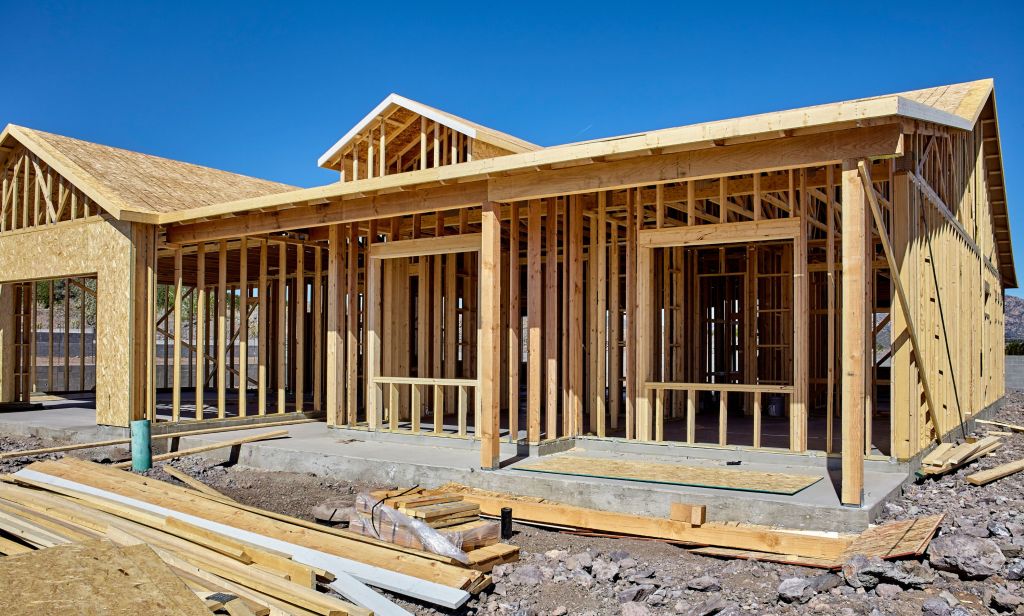
Planning radon mitigation in new construction allows key components to be installed before walls and slabs are finished.
Gas-Permeable Layers Beneath the Slab
A layer of gravel or aggregate beneath the slab allows radon gas to move freely toward a vent point instead of becoming trapped.
Vent Pipe Routing Before Walls Are Closed
Installing vent piping during framing allows pipes to be hidden inside walls or chases. This improves appearance and avoids cutting finished surfaces later.
Vapor Barriers and Sealing Entry Points
Vapor barriers and sealed penetrations reduce radon entry and improve system performance. These steps also help control moisture.
Electrical Prep for Future Fan Installation
Even if a system starts as passive, adding an electrical junction box allows for easy fan installation later. This upgrade can be completed quickly if post-construction testing shows elevated radon levels.
Passive vs. Active Radon Systems in New Builds
How Passive Radon Systems Work
Passive systems use vertical vent pipes to allow radon to escape naturally through the roof. They rely on pressure differences rather than mechanical assistance.
When a Passive System Is Enough
In some homes, passive systems successfully keep radon levels below EPA action levels. This can only be confirmed through testing.
When an Active System With a Fan Is Required
If radon levels remain at or above 4.0 picocuries per liter, a fan is added to create active soil depressurization. This significantly increases effectiveness.
Why Planning for an Upgrade Saves Time and Cost
Planning for an upgrade during construction avoids major retrofits later. The cost and disruption are minimal compared to installing a full system after completion.
Building Codes and Radon Requirements in Colorado
State and Local Variability in Radon Requirements
Radon requirements vary by jurisdiction. Some areas require radon-resistant features, while others only recommend them.
Why Code Compliance Does Not Always Equal Safe Radon Levels
Meeting building code does not guarantee safe radon levels. Codes establish minimum standards, but radon behavior varies by site.
The Role of Certified Radon Professionals in New Construction
Certified radon professionals help builders design systems that go beyond code and are tailored to the site and foundation type. Learn more on our New Construction and Commercial Radon Mitigation service page.
Why Installing Radon Mitigation During Construction Is More Cost-Effective
Lower Installation Costs Compared to Retrofitting
Installing radon mitigation during construction typically costs less than retrofitting after the home is finished.
Cleaner Pipe Routing and Better Aesthetics
Early planning allows pipes to be concealed, preserving the home’s visual design.
Fewer Structural Modifications Required
There is no need to cut slabs, drill finished walls, or reroute utilities when systems are installed early.
Learn more about Better Colorado Radon’s new construction and commercial radon mitigation process.
Testing Radon Levels After Construction
Why All New Homes Should Be Tested
Every new home should be tested after construction is complete. This confirms whether the passive system is sufficient.
EPA Action Levels and Next Steps
If results are at or above 4.0 picocuries per liter, upgrading to an active system is recommended.
When to Upgrade From Passive to Active Systems
Upgrades are simple when planned in advance. Adding a fan often resolves elevated levels quickly.
Who Should Consider Radon Mitigation in New Construction
Home Builders and Developers
Custom Homeowners
Commercial and Multi-Family Projects
Homes With Basements, Crawl Spaces, or Slab Foundations
Any project in Colorado benefits from early radon planning.
Radon Mitigation in New Construction
Planning radon mitigation in new construction protects occupant health, simplifies installation, and reduces long-term costs. In Colorado’s high-radon environment, early planning is one of the most responsible choices a builder or homeowner can make.