Homes with sump pumps and drain tile systems offer excellent protection against water intrusion, but they also create some of the most common entry points for radon gas. If your home has one or both of these features, understanding radon mitigation sump pump solutions is critical for protecting indoor air quality.
Radon is a naturally occurring radioactive gas that forms in soil and rock. It moves upward and enters homes through the lowest openings in the foundation. Sump pits and drain tiles connect directly to the soil beneath your home, which makes them highly effective pathways for radon infiltration. Without proper sealing and mitigation, homes with these systems often test higher than average.
Why Sump Pumps and Drain Tiles Increase Radon Risk
Sump pumps and drain tiles are designed to manage groundwater, but they unintentionally provide direct access for soil gases. This combination can significantly increase radon levels if not properly addressed.
Sump Pits Create Large Openings in the Slab
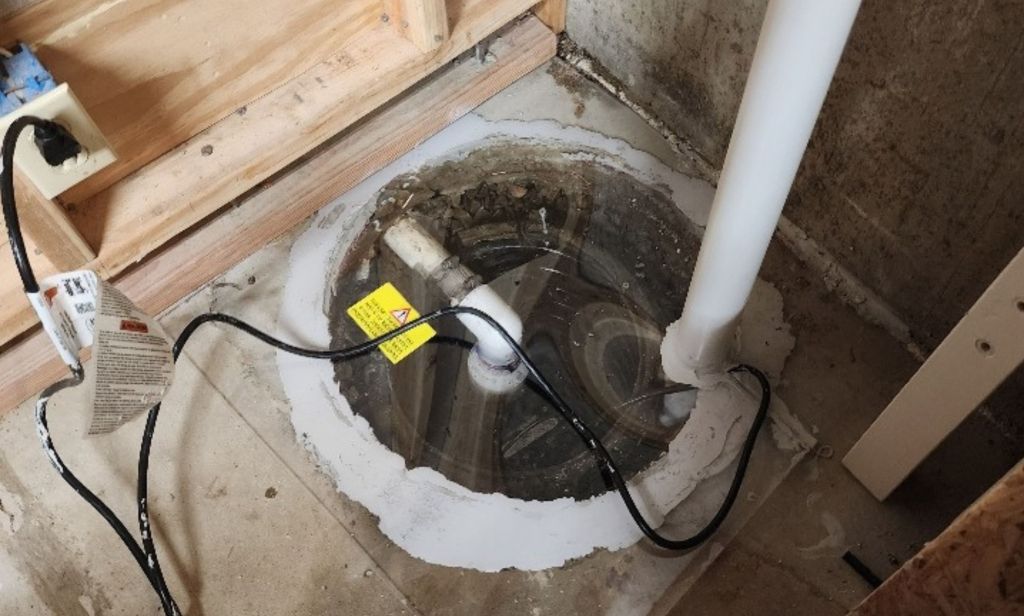
A sump pit is essentially a hole cut into the foundation slab. Even when covered, this opening allows air from beneath the home to move freely into the basement. Radon gas takes advantage of this opening and enters the living space with little resistance.
Drain Tile Systems Connect Directly to the Soil
Drain tiles run along the perimeter of the foundation and connect to the sump pit. These pipes create long corridors that collect both water and soil gases. Once radon enters the drain tile system, it can easily travel into the sump pit and then into the home.
Radon Gas Travels Easily Through Unsealed Sump Lids
Many homes have sump lids that are loosely fitted or made of thin plastic. These covers are not designed to stop airflow. Radon gas can pass through gaps around the edges, pipe penetrations, or seams in the lid.
Why Homes With These Systems Often Test Higher
Because sump pumps and drain tiles pull air and water from beneath the home, they increase pressure differences between indoor and outdoor air. This pressure change draws even more radon into the home, especially during colder months when windows remain closed.
How Radon Enters Through Sump Pumps and Drain Tiles
Understanding how radon moves through these systems helps explain why targeted mitigation is so effective.
Air Movement Through Drain Tile Corridors
Drain tiles act like underground air highways. Radon enters the tiles from the surrounding soil and moves toward the sump pit. Once there, it escapes into the basement unless actively redirected outside.
Hydrostatic Pressure Pushing Air Into the Pit
When groundwater builds up around the foundation, pressure increases beneath the slab. This pressure pushes both water and soil gases toward the sump pit, making it a primary radon entry point.
Cracks, Gaps, and Utility Penetrations Around the Pump
The area surrounding the sump pit often contains small cracks or gaps where plumbing and electrical lines enter. These openings increase air leakage and provide additional pathways for radon gas.
Seasonal Factors Impacting Radon Levels
In Colorado, winter conditions amplify radon movement. Frozen ground forces radon to travel laterally toward foundation openings. The stack effect also pulls radon upward as warm air escapes from upper levels of the home.
Radon Mitigation Options for Homes with Sump Pumps
In Colorado, winter conditions amplify radon movement. Frozen ground forces radon to travel laterally toward foundation openings. The stack effect also pulls radon upward as warm air escapes from upper levels of the home.
Effective radon mitigation sump pump strategies focus on controlling airflow and redirecting radon safely outside.
Using the Sump Pit as the Primary Suction Point
In many homes, the sump pit is the most effective location for radon system suction. By attaching the mitigation piping to the sump pit, the system can draw radon from both the pit and connected drain tiles.
This approach reduces radon levels throughout the basement and often improves system performance across the entire home.
Sealing the Sump Lid While Maintaining Pump Access
An airtight sump lid is essential for successful mitigation. The lid must fully seal the pit while still allowing access for pump maintenance and inspection. A properly sealed lid prevents radon from escaping into the basement while allowing the mitigation system to do its job.
Connecting the Radon System to Existing Drain Tile
When drain tiles are present, the radon mitigation system can take advantage of this network. Connecting the system to the drain tile improves suction distribution and captures radon before it enters the living space.
Learn more about full system designs on our Residential Radon Mitigation page.
What an Airtight Sump Lid Should Include
Not all sump lids are created equal. A proper lid is a critical part of any radon mitigation sump pump solution.
Clear Viewing Port
A transparent window allows homeowners and technicians to visually inspect the pump without removing the lid. This reduces disturbance and maintains the seal.
Rubber Gasket Seal
A continuous rubber gasket creates an airtight seal around the perimeter of the lid. This prevents radon from leaking through gaps between the lid and the concrete.
Properly Drilled Pipe Penetrations
All pipes that pass through the lid must be tightly sealed. This includes discharge pipes, electrical cords, and radon vent piping. Loose penetrations defeat the purpose of the lid.
Bolted or Clamped Design for Safety
A secure fastening system ensures the lid stays in place under pressure changes. Bolted or clamped lids provide long-term durability and safety.
Installation Considerations for Effective Mitigation
Proper installation determines how well a radon mitigation sump pump system performs over time.
Fan Placement and Noise Reduction
Radon fans should be installed outside the living space, typically in the attic or exterior of the home. Proper placement reduces noise and ensures safe operation.
Routing Piping for Best Suction Distribution
Piping should be routed to maximize suction across the sump pit and drain tile system. Sharp turns and unnecessary bends reduce airflow and system efficiency.
Ensuring the System Meets Local Colorado Codes
Colorado has specific requirements for radon mitigation systems. Certified professionals ensure proper labeling, discharge height, and electrical compliance.
Common Issues to Watch For
Even well-designed systems require monitoring.
Loose or DIY Sump Covers
Homemade sump covers rarely provide an airtight seal. These covers often allow radon to escape and reduce system effectiveness.
High Radon After Sump Pump Replacement
Replacing a sump pump can disturb seals and connections. Radon levels should always be retested after pump replacement.
Water Leakage from Incorrect Lid Installation
Improper installation can allow water to leak onto the basement floor. A correctly installed lid balances air sealing with water management.
Drain Tile Blockages Affecting System Performance
Blocked drain tiles reduce airflow and suction. Regular inspection helps prevent performance issues.
Testing and Maintaining Radon Levels Over Time
Mitigation is not a one-time event. Ongoing testing ensures continued protection.
Post-Installation Testing
After installation, radon levels should be tested to confirm the system is working as designed.
Seasonal Retesting (Especially in Colorado)
Radon levels fluctuate with weather changes. Winter testing often shows the highest readings.
Fan Performance Checks
Fans run continuously and eventually wear out. Listening for changes in noise and checking pressure indicators help identify problems early.
When to Update or Re-Seal the Sump Lid
Over time, gaskets and seals may degrade. Periodic resealing maintains airtight conditions.
Keep Your Home Safe with Proper Sump Pump Radon Mitigation
Homes with sump pumps and drain tiles require specialized radon solutions. A properly designed radon mitigation sump pump system addresses the most significant entry points and provides reliable long-term protection.
At Better Colorado Radon, we help homeowners reduce radon levels through professional evaluation, airtight sump sealing, and complete mitigation system installation.
Protect your home and your health today. Schedule a radon evaluation, sump pit sealing, or full mitigation system installation.