Radon exposure is often associated with single-family homes, but radon mitigation for apartments is becoming increasingly important as awareness of indoor air quality in multi-family buildings grows. Many renters assume upper floors eliminate risk, but radon in apartment buildings can affect lower units, ground-contact spaces, shared areas, and even upper levels, depending on building design and ventilation patterns. Apartment owners, property managers, and tenants are beginning to recognize the importance of testing and mitigation. Multi-unit buildings present unique challenges because systems must protect multiple occupants while minimizing disruption. Understanding how apartment mitigation works helps owners and residents make informed decisions about long-term safety.
Apartment buildings often have complex foundations, underground parking structures, crawl spaces, and interconnected airflow systems. These conditions can influence how radon enters and moves throughout the property. Unlike single-family homes, mitigation planning may need to consider multiple units simultaneously. Proper design becomes essential for maintaining effectiveness across the building. This is why apartment mitigation systems are often more specialized than residential systems.
Why Radon Is a Concern in Apartment Buildings
Many people assume radon in apartment buildings is limited to basement units or lower levels. While lower floors are often at higher risk, radon can move through utility shafts, stairwells, HVAC systems, and structural openings. This means elevated radon levels may affect multiple parts of the building. Apartment residents often spend significant time indoors, which increases cumulative exposure. Because radon is the second leading cause of lung cancer after smoking, indoor exposure remains a serious concern.
Apartment buildings can also present unique testing challenges. Large footprints, shared mechanical spaces, and varying foundation conditions create different radon behaviors from one unit to another. One apartment may test low while another nearby shows elevated levels. Ground-contact rooms and common areas often deserve additional attention. Without testing, residents and property managers may never realize elevated levels exist. This makes proactive evaluation important for occupant health and risk management.
Do Apartments Need Radon Mitigation Systems?
Apartments absolutely can require mitigation systems when elevated radon levels are identified. The need for a radon mitigation system for apartments depends on measured radon concentrations rather than building type alone. Ground-floor apartments, basement units, and buildings with underground parking often experience higher exposure potential. Older buildings may also have foundation openings that increase the number of entry points. Testing is the only way to determine whether mitigation is necessary.
Apartment mitigation becomes especially important when multiple units show elevated readings. Addressing the source centrally can often protect several spaces at once. In many situations, one mitigation strategy can reduce radon across an entire section of the building. This makes early detection valuable for property owners. Proactive mitigation also helps demonstrate commitment to tenant safety and indoor air quality.
How Radon Mitigation Systems Work in Apartments
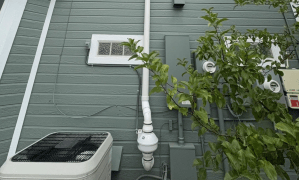
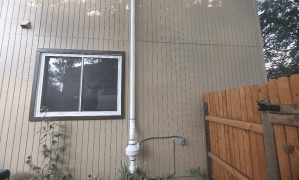
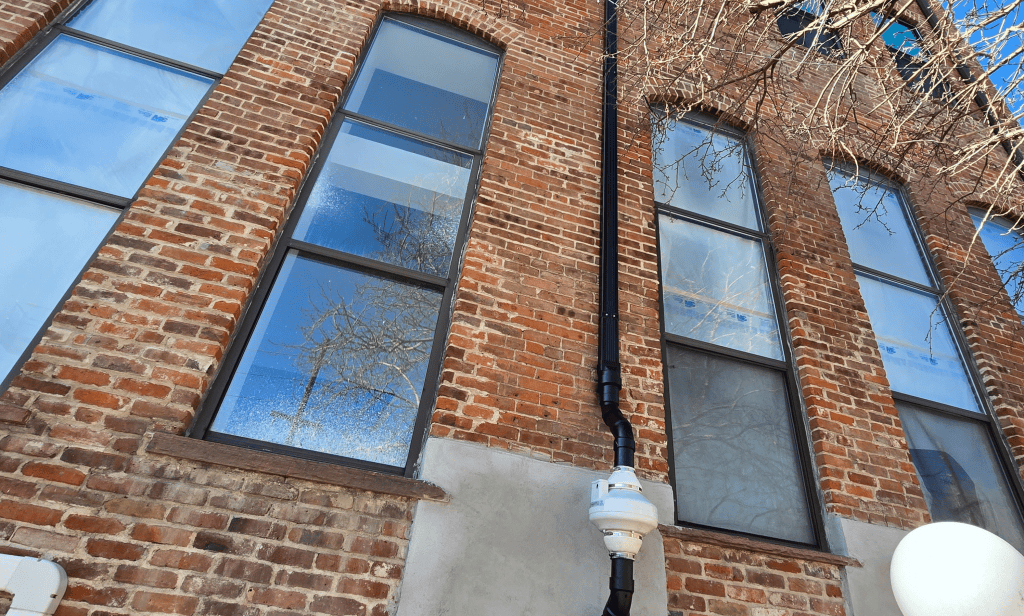
Apartment radon systems work by preventing radon gas from entering occupied spaces. Most systems create controlled pressure beneath the building and safely redirect radon outdoors before it reaches living areas. The approach depends on foundation type, building layout, and radon source locations. Multi-unit properties may require larger systems or multiple extraction points. Proper diagnostics help determine the most effective configuration.
Unlike individual homes, apartment mitigation often focuses on protecting groups of units simultaneously. Shared slab areas, utility corridors, and common spaces may become part of the design strategy. Engineers and mitigation professionals evaluate airflow communication beneath the structure. The goal is to create consistent pressure reduction without affecting building operations. Properly designed systems can provide long-term performance across multiple units.
Types of Radon Mitigation Systems for Apartments
Sub-Slab Depressurization Systems
Sub-slab depressurization is one of the most common mitigation approaches for apartment buildings. These systems create suction beneath the concrete slab and vent radon safely outside. Extraction points are installed strategically to maximize pressure field coverage. In apartment buildings, larger footprints may require multiple suction locations. Proper diagnostics help determine spacing and airflow needs. This method is highly effective for slab-on-grade and basement construction.
Active Soil Depressurization for Multi-Unit Buildings
Active soil depressurization uses fans to maintain continuous suction beneath the structure. The system actively pulls radon from beneath the building before it enters occupied areas. Multi-unit buildings often require larger fans and more extensive piping networks than single-family homes. System sizing depends on soil conditions and building design. Continuous operation provides year-round protection. This is one of the most effective strategies for apartment mitigation.
Ventilation-Based Mitigation Systems
Ventilation systems can sometimes supplement mitigation efforts in apartment buildings. Mechanical ventilation increases air exchange and may help reduce indoor concentrations. However, ventilation alone is rarely sufficient when radon levels are elevated. It is usually combined with source-control methods. Ventilation strategies are most effective when designed alongside active mitigation systems. Professional evaluation determines whether ventilation adds value.
How to Test for Radon in an Apartment
Choose a Radon Test Type
Testing begins by selecting the right method. Short-term tests provide quick results while long-term tests offer a more accurate average. Continuous monitors are often preferred because they track fluctuations over time. Professional testing is generally recommended for apartment radon testing because of shared spaces and liability considerations. Proper test selection improves reliability.
Place the Test in the Right Location
Radon detectors should be placed in the lowest occupied area of the apartment whenever possible. Ground-floor units, basement apartments, and shared lower-level spaces often deserve priority. Devices should remain away from windows, vents, and high-humidity areas. Proper placement improves accuracy. Following testing protocols is essential.
Prepare the Apartment for Testing
Closed-house conditions are often required during short-term testing. Windows should remain closed except for normal entry and exit. HVAC systems can operate normally unless otherwise instructed. Residents should avoid moving the detector. Following preparation guidelines ensures valid results.
Run the Test for the Required Time
Testing duration depends on the selected method. Short-term tests often run for 48 to 96 hours. Long-term tests may continue for 90 days or more. Continuous monitors record ongoing readings throughout the process. Maintaining conditions during testing is important.
Send in or Read the Results
DIY kits may require lab submission, while digital monitors provide direct readings. Property managers may choose professional apartment radon testing for more reliable documentation. Homeowners and tenants may also use radon detectors for ongoing monitoring. Understanding the results helps determine next steps. Follow-up testing may be recommended when levels are elevated.
How Radon Mitigation Systems Are Installed in Apartments
Installation depends on the selected mitigation method and building design. Sub-slab systems require suction points to be drilled into slab areas and connected to vent piping. Active systems add fans that maintain negative pressure beneath the structure. Vent pipes are routed to safe discharge locations while minimizing visual impact. Larger buildings may require multiple extraction points or fan locations.
Installation planning is especially important in occupied apartment buildings. Contractors work to minimize disruption for residents while maintaining access and safety. Mechanical spaces, utility rooms, and exterior pathways often become part of the system design. Coordination with property managers helps streamline the process. Proper installation ensures long-term performance.
How Much Does Apartment Radon Mitigation Cost?
Apartment mitigation costs vary significantly depending on building size and complexity. Smaller properties with a few ground-contact units may require systems ranging from $2,000 to $5,000. Larger multi-family buildings often range from $5,000 to $15,000+, depending on the number of extraction points, fan count, and system complexity. Properties with underground parking or extensive foundations may further increase costs.
Costs are influenced by building footprint, slab design, soil communication, and accessibility. Multi-building properties may require phased approaches. Vent routing and architectural considerations also affect budgets. Property managers should compare proposals carefully and evaluate scope rather than price alone. Long-term tenant safety often outweighs initial cost concerns.
Who Is Responsible for Radon Mitigation in Rentals?
Landlord responsibilities for radon are becoming increasingly important in Colorado. Property owners may be responsible for testing, disclosures, and mitigation depending on state regulations and lease conditions. Multi-family buildings are not exempt from these considerations. Owners should understand evolving requirements, tenant protections, and overall radon landlord responsibility standards throughout Colorado. Staying proactive reduces future risks and helps landlords avoid compliance issues.
Colorado landlords should review the current radon landlord responsibility requirements carefully. Testing and mitigation may become part of broader habitability expectations under Colorado law. Maintaining documentation is also important for protecting both tenants and property owners. Property owners who act early often avoid larger legal and financial problems later. Working with qualified radon professionals helps simplify compliance and supports safer indoor air quality for residents.
Protect Your Apartment With a Trusted Radon Mitigation System
A properly designed radon mitigation system for apartments helps protect residents, improve indoor air quality, and support long-term property management goals. Because radon in apartment buildings can vary between units and floors, testing remains the most important first step. Professional evaluation helps determine whether mitigation is necessary and which system is most appropriate. Early action protects occupants while reducing future liability concerns.
Ready to learn more about apartment testing or mitigation solutions?