A radon test measures the concentration of radon gas inside a home or building, expressed in picocuries per liter (pCi/L). Testing is the only way to know whether radon levels in your home are elevated, since the gas is colorless, odorless, and tasteless. Tests range from simple short-term kits placed in a lower level of the home to long-term monitors that track levels over 90 days or more. The EPA recommends taking action when radon levels reach 4.0 pCi/L or higher.
If you’ve been wondering what is a radon test and whether you actually need one, the short answer is yes, especially in Colorado. Here’s how radon testing works, what the results mean, and when to test.
Why Radon Testing Matters
Radon is the second leading cause of lung cancer in the United States and the leading cause among non-smokers, responsible for approximately 21,000 deaths each year according to the EPA. It has no color, no smell, and no taste. There’s no physical symptom that tells you it’s present, and no visual inspection that can detect it. The only way to know your radon level is to test.
Colorado adds a layer of urgency. The state’s geology, granite and uranium-bearing rock formations beneath the soil, produces radon at higher-than-average rates. All 64 counties are classified as high-radon-potential zones, and roughly half of Colorado homes that have been tested come back above the EPA’s 4.0 pCi/L action level. The state’s average indoor radon level sits around 6.4 pCi/L, well above the national average of 1.3 pCi/L. If you haven’t tested your Colorado home, you’re making assumptions about your air quality that the data doesn’t support.
How Does a Radon Test Work?
What a Radon Test Measures
A radon test detects alpha particles emitted by radon gas as it decays radioactively in the air. The device, whether a passive canister or an active electronic monitor, captures this activity over a set period and converts it into an average radon concentration for that space. That concentration is expressed in picocuries per liter, or pCi/L, a unit of radioactive decay per liter of air. At 4.0 pCi/L, thousands of radon atoms are breaking down in every liter of air in your home every hour.
Where Tests Are Placed in the Home
Tests are placed in the lowest livable level of the home, or wherever people spend time, whether that’s a finished basement, a first floor above a crawl space, or a ground-floor apartment. They should be at least 20 inches above the floor, away from exterior doors, windows, and high-humidity rooms like kitchens or bathrooms. The goal is to measure the air occupants actually breathe.
How Results Are Calculated and Reported
Once a test is complete, the device is sent to a certified lab or read by a licensed professional. The lab calculates the average radon concentration over the test period and reports the result in pCi/L. For short-term tests, results are typically available within a few business days after the device is received. For a plain-language guide to reading your results once they arrive, our post on how long does a radon test take covers what the timeline looks like from placement to final number.
Types of Radon Tests
Short-Term Radon Tests
Short-term tests run for a minimum of 48 hours, typically no longer than 7 days. They’re the standard for real estate transactions because they produce results quickly enough to fit within most inspection period timelines. They require closed-house conditions — windows and exterior doors kept closed except for normal entry and exit.
Long-Term Radon Tests
Long-term tests run for 90 days or more and provide a more accurate picture of average radon exposure, since they capture seasonal and weather-related fluctuations that a 48-hour snapshot can miss. They’re the better choice when a homeowner wants a reliable baseline without the pressure of a real estate deadline.
Continuous (Electronic) Radon Monitors
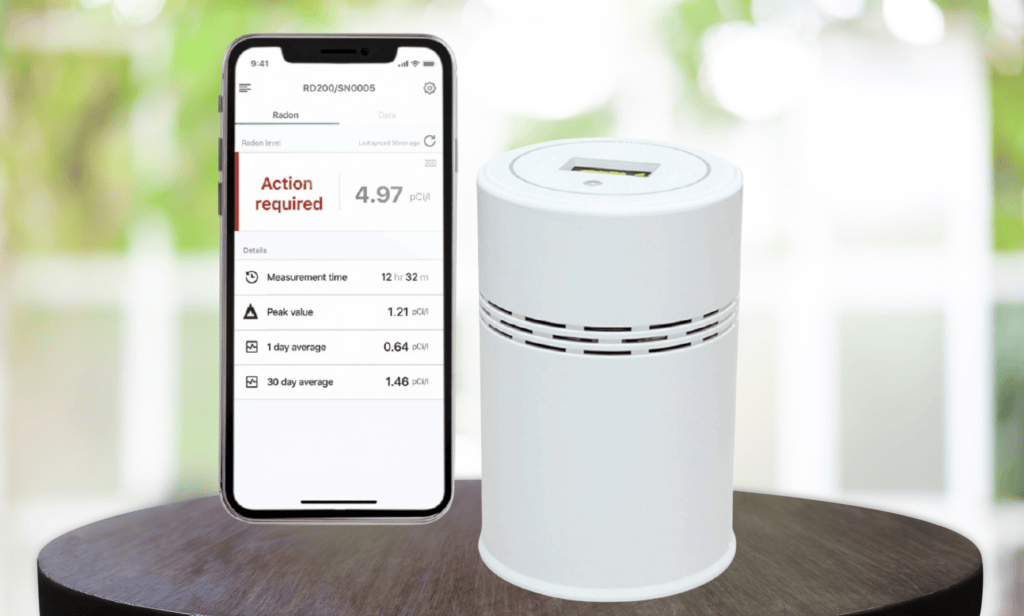
Electronic monitors sample air continuously and log radon levels at regular intervals. They’re useful for identifying patterns tied to HVAC cycles or weather changes, and they produce detailed reports rather than a single averaged result. These devices are common in commercial settings and increasingly used by radon professionals during real estate transactions.
Professional vs. DIY Testing Options
DIY test kits are inexpensive and widely available. For a general sense of whether radon is present, they can be useful. For real estate transactions or any situation where accuracy and documentation matter, professional testing is the right choice. Licensed professionals follow certified protocols, use calibrated equipment, and produce reports that meet regulatory and transactional standards.
How Long Does a Radon Test Take?
For most real estate transactions, a short-term test runs 48 to 96 hours, and lab results typically come back within 2 to 5 business days after the device is received. The full process, from placement to result, takes roughly 5 to 10 days depending on shipping and lab turnaround. Long-term tests require 90 or more days for an accurate annual average. Accuracy can be affected by improper placement, open windows, HVAC disruptions, or unusual weather. A licensed professional ensures these variables are controlled so the result is defensible.
What Do Radon Test Results Mean?
Results Below 2.0 pCi/L
This is a low radon level. No immediate action is needed, but retesting every two years is still a reasonable practice since radon levels can shift as a home settles or as seasonal patterns change.
Results Between 2.0 and 3.9 pCi/L
This range falls below the EPA action level but above the point where the EPA recommends at least considering mitigation. In Colorado, where baseline soil conditions are more radon-rich than in most states, reducing a level in this range is a worthwhile investment. Mitigation costs are the same whether the reading is 2.5 or 7.0 pCi/L.
Results at 4.0 pCi/L or Higher
Action is warranted. The higher the number, the more urgent the timeline. A result at 8.0 pCi/L represents twice the risk of one at 4.0 pCi/L. Professional mitigation is the EPA-recommended solution, and post-mitigation testing confirms the result before the job is considered complete.
When Should You Test for Radon?
Test when buying or selling a home, after any major renovation that affects the foundation or HVAC system, and on a regular schedule every two years even without a specific trigger. If you’ve moved into a home with no prior test history, that’s reason enough to test now. Our guides to how to read a radon test and radon testing at home inspection cover what to do with results once you have them and how testing fits into the real estate process.
Professional Radon Testing vs. At-Home Test Kits
At-home kits give you a number. Professional testing gives you a certified result with documented chain of custody, calibrated equipment, protocol compliance, and a formal report. For real estate transactions, most lenders, agents, and attorneys expect professional results — a DIY kit result from a big-box store typically won’t satisfy those requirements.
Professional testing also comes with expertise. A licensed radon professional can identify placement errors, flag conditions that might affect accuracy, and interpret results in the context of the home’s specific foundation and HVAC configuration. If you’re evaluating monitors and devices for ongoing home use, our breakdown of the best radon detector options covers what’s worth buying and why.
Schedule a Professional Radon Test in Colorado
A radon test is simple, fast, and inexpensive relative to the risk it measures. In Colorado, it’s not optional due diligence — it’s practical necessity given how widespread elevated radon is across the state. Don’t guess about your air quality when a professional test can give you a certified, accurate answer.
Better Colorado Radon provides professional radon testing for Colorado homeowners, buyers, sellers, and property managers. Our licensed team follows certified protocols and delivers results you can act on with confidence.
Book Today to schedule your professional radon test with Better Colorado Radon.