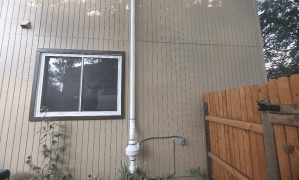

Colorado law doesn’t require sellers to test for radon before listing, but it’s a smart step to take. Buyers frequently request radon testing during the inspection period, and a surprise high result can delay closing or reopen negotiations. Testing before listing gives sellers time to address elevated levels on their own terms and can make a home more attractive to buyers who are watching for radon in real estate transactions.
Radon in real estate transactions is a topic that comes up in nearly every Colorado home sale, and for good reason. With roughly half of homes in the state testing above the EPA’s 4.0 pCi/L action level, the odds are real. Sellers who think through radon before they list are simply better prepared.
Why Radon Comes Up in Colorado Real Estate Transactions
Colorado’s geology puts nearly every home in the state at elevated radon risk. The state sits on granite and uranium-bearing rock formations, which continuously release radon gas into the soil. All 64 Colorado counties carry a high radon potential designation, which means buyers, agents, and lenders are all accustomed to radon being part of the conversation. For a full picture of what makes Colorado different from the rest of the country, our overview of Colorado radon facts covers the geology, the statewide testing data, and what those numbers mean for homeowners. The short version: in Colorado, radon is the rule, not the exception.
Pros of Testing for Radon Before Listing
Avoiding Surprises During the Buyer’s Inspection
When buyers order radon testing during the inspection period and results come back elevated, the transaction hits a pause. Deadlines tighten, negotiations reopen, and sellers are suddenly reacting to someone else’s timeline. Testing before listing means sellers already know what the number is. If it’s fine, they can say so. If it’s elevated, they’ve had time to fix it.
Faster Closing Timelines
Inspection periods in Colorado contracts are typically short — often 7 to 14 days. When radon testing, result review, and any follow-up negotiation all have to happen within that window, there’s very little room for delay. A seller who has already tested and, if needed, mitigated removes radon from the inspection equation entirely. The closing timeline stays clean, and there’s one less variable for both sides to manage.
A Stronger Negotiating Position
Sellers with documented test results and a professionally installed mitigation system walk into every offer in a stronger position. Buyers can’t use radon as a lever in negotiations when the issue has already been professionally addressed and verified. For a buyer evaluating multiple homes, a seller who has documentation showing radon levels are below the action level after professional mitigation is offering something that most sellers aren’t.
Potential Downsides Sellers Should Consider
Disclosure Obligations Once You Know the Results
Testing before listing does create one meaningful consideration: once you have results, you’re required to disclose them. Colorado’s updated seller disclosure requirements, codified under SB23-206, require sellers to share any known radon information, including test results, mitigation history, and whether a mitigation system is installed. A seller who has never tested has nothing specific to disclose. A seller who tests and receives a high result is required to report it. That’s not a reason to avoid testing — it’s a reason to test early enough to address an elevated result before listing. For a full breakdown of what Colorado requires, our guide to Colorado radon disclosure laws covers what must be disclosed, when, and in what form.
What If Pre-Listing Test Results Are High?
An elevated pre-listing result isn’t bad news; it’s useful information at the right time. Sellers who find out during their own testing have two main options.
The first is to mitigate before listing. Residential radon mitigation is typically completed in a single day, and post-mitigation testing confirms the result within a few days after that. A seller who lists with a documented mitigation system and a post-mitigation test result below the action level has turned a potential problem into a selling point. Buyers looking at Colorado homes know radon is common; what they’re really looking for is evidence that it’s been handled professionally.
The second option is to disclose the elevated result and offer a credit at closing for the buyer to handle mitigation after purchase. This approach is simpler for the seller upfront, but it leaves the issue open during the inspection period and gives buyers something to negotiate around. In most cases, mitigating before listing is the cleaner path, and our post on is radon mitigation worth it walks through the cost and return in detail.
What Buyers Should Know If Sellers Haven’t Tested
If a seller hasn’t tested, buyers should plan to order radon testing as a standard part of their inspection. Don’t assume a clean-looking home or a newer build means radon isn’t present — Colorado’s soil conditions affect every home regardless of age or construction type. Buyers should also understand that a home with an existing mitigation system is not a red flag; it’s a sign that the issue was identified and professionally addressed. Our guide to buying a home with radon mitigation explains what to look for, what questions to ask about the existing system, and how to confirm it’s still performing correctly.
How Radon Testing Fits Into the Home Inspection Timeline
Radon testing and the general home inspection are often scheduled at the same time, but they’re separate services with different timelines. A short-term radon test runs for a minimum of 48 hours under closed-house conditions, which means it needs to be placed at the very start of the inspection window to leave time for results, review, and any necessary negotiation before deadlines hit. Buyers and agents who treat radon testing as an afterthought often find themselves scrambling at the end of the inspection period. Understanding how radon testing during home inspection fits into the contract timeline helps both sides plan ahead and avoid unnecessary pressure at the end of the objection period.
Get Ahead of Radon Before You List
Radon is going to come up in your transaction whether you test first or not. Testing before listing simply means you’re the one with the information, and you’re the one in control of what happens next. Sellers who test early, address elevated results professionally, and come to market with documentation in hand move through transactions faster and with fewer surprises.
Better Colorado Radon provides fast, professional radon testing for Colorado sellers, with results that support accurate disclosure and documentation that holds up through closing.
Book Today to schedule your pre-listing radon test with Better Colorado Radon and go into your transaction prepared.