If you are researching how much does radon mitigate costs, you are likely concerned about protecting your health while also planning for a major home investment. Radon mitigation is one of the most effective ways to reduce lung cancer risk related to indoor air quality, especially in Colorado, where radon levels are among the highest in the country.
The cost of radon mitigation can vary based on several factors, including your home’s layout, foundation type, and current radon levels. Understanding these factors helps homeowners make informed decisions and avoid surprises. This guide explains average costs, system options, and long-term considerations to help you plan confidently for a safer home.
Why Radon Mitigation Is Necessary in Colorado
Colorado consistently ranks among the highest-risk states for radon exposure. The geology of the Rocky Mountain region contains uranium-rich rock and soil that releases radon gas. This gas moves upward through the ground and can enter homes through cracks, sump pits, crawl spaces, and drain tiles.
Cold winters also play a role. Homes stay sealed for long periods, which traps radon indoors and allows levels to build. According to state data, more than half of Colorado homes tested show radon levels at or above the Environmental Protection Agency action level of 4.0 picocuries per liter.
Because radon is invisible and odorless, testing and mitigation are the only ways to reduce exposure. Understanding how much does radon mitigate costs helps homeowners act quickly instead of delaying a necessary health improvement.
Average Radon Mitigation Cost in Colorado
In Colorado, the average cost of a professionally installed radon mitigation system typically ranges from $1,200 to $2,500. Most standard homes fall near the middle of this range.
Smaller homes with simple layouts and slab foundations often cost closer to the lower end. Larger homes, crawl space foundations, or complex designs may cost more due to additional labor and materials.
While cost is an important factor, it is helpful to view radon mitigation as a long-term investment. Once installed, a system can provide protection for many years with minimal maintenance. Compared to other home upgrades, radon mitigation offers a high return in terms of health and peace of mind.
What Factors Affect Radon Mitigation Cost?
Several variables influence how much does radon mitigate costs for a specific home. Understanding these factors can help explain why estimates vary.
Home Size and Layout
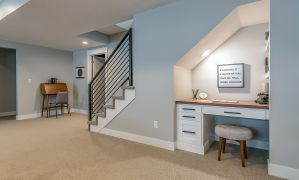
Larger homes often require longer piping runs or additional suction points. Multi-level layouts may also require more complex routing to ensure effective radon removal. Homes with finished basements may need extra care to preserve aesthetics while maintaining performance.
Foundation Type
Foundation type plays a major role in cost. Slab-on-grade homes are usually the simplest to mitigate. Basements and crawl spaces often require additional sealing or vapor barriers. Homes with multiple foundation types may need hybrid systems.
Radon Levels
Higher radon levels sometimes require more aggressive mitigation. This can include larger fans or multiple suction points. While most systems can reduce radon by 80 to 99 percent, higher starting levels can increase installation complexity.
System Design and Installation Complexity
Every home is different. Factors such as sump pumps, drain tile systems, tight access areas, and roof height affect system design. The more customized the system, the higher the labor and material cost.
Types of Radon Mitigation Systems and Their Costs
Different homes require different mitigation approaches. Below are the most common system types used in Colorado and their typical cost ranges.
Sub-Slab Depressurization Systems
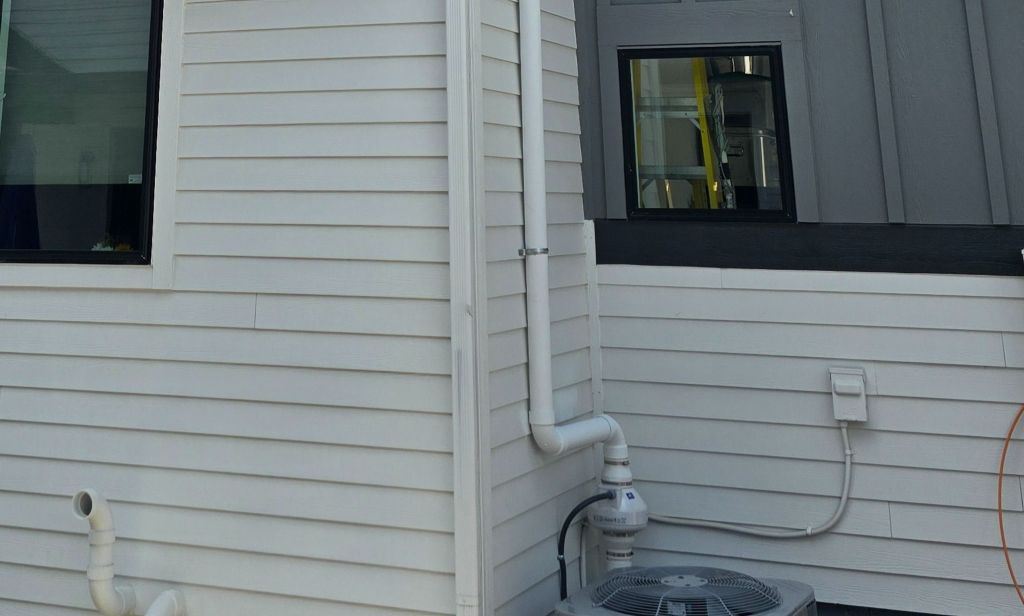
This is the most common and cost-effective option for homes with basements or slab foundations. A pipe is installed through the slab and connected to a fan that pulls radon from beneath the home and vents it outside.
Typical cost: $1,200 to $2,000
Crawl Space Mitigation Systems
Homes with crawl spaces often need a vapor barrier and a sub membrane depressurization system. This approach seals the crawl space and actively removes radon gas.
Typical cost: $1,800 to $3,000
Drain Tile Suction Systems
Homes with perimeter drain tiles can use these systems to capture radon through the existing drainage network. This option is effective but can be more complex to install.
Typical cost: $1,500 to $2,500
Each system is designed to meet the home’s specific needs while complying with Colorado regulations and national standards.
Professional Radon Mitigation vs DIY Options
Some homeowners consider do-it-yourself mitigation kits to reduce cost. While these kits may appear cheaper up front, they often fail to deliver consistent or safe results.
Professional mitigation offers several advantages:
- Accurate system design based on testing and diagnostics
- Proper fan sizing and placement
- Code compliance and safety standards
- Reliable reduction of radon levels
DIY systems often lack proper sealing and airflow control. Mistakes can lead to ineffective mitigation or even increased radon levels. When comparing options, professional installation is usually the safer and more cost-effective choice in the long run.
Testing Before and After Radon Mitigation
Testing is an essential part of understanding how much does radon mitigate costs because it confirms whether mitigation is necessary and verifies success afterward.
Before mitigation, testing determines your home’s baseline radon level. After installation, follow-up testing confirms that the system is working as intended. Many professionals recommend retesting after 30 days, then every 2 years.
Testing costs are typically modest compared to mitigation installation. Some contractors include post-mitigation testing as part of the overall service package.
Maintenance and Long-Term Costs of Radon Mitigation
Radon mitigation systems are designed to run continuously with minimal maintenance. However, there are a few long-term considerations.
- Fan replacement: Radon fans typically last five to ten years. Replacement costs usually range from $300 to $600.
- Retesting: Regular radon testing every two years ensures ongoing protection.
- Seal inspections: Periodic checks of sump lids or vapor barriers help maintain system effectiveness.
Overall, long-term costs are relatively low compared to the initial installation and the health benefits provided.
Does Insurance or Home Value Factor Into Radon Mitigation?
Most homeowners’ insurance policies do not cover radon mitigation because it is considered a preventive measure rather than a repair. However, mitigation can positively impact home value and marketability.
In Colorado, sellers are required to disclose known radon test results. Homes with installed mitigation systems often attract buyers more quickly and with fewer negotiations. Some buyers even request mitigation as part of the purchase agreement.
From a resale perspective, understanding how much does radon mitigate costs can help homeowners budget proactively instead of negotiating under pressure during a sale.
We’re Here For You, Coloradans
Understanding how much does radon mitigate costs in Colorado helps you plan for a safer and healthier home. While costs vary, radon mitigation is a proven and practical investment that protects your family and your property for years to come.
If your radon levels are high or you are unsure where to start, our certified radon professionals are here to help. We provide expert guidance, accurate testing coordination, and professional mitigation solutions designed for Colorado homes.
Contact Better Colorado Radon today to schedule a consultation and take the next step toward clean, safe indoor air you can trust.
*Disclaimer – The cost estimates in this article reflect general averages at the time of publication and may vary based on individual home conditions, system requirements, and current market factors. For accurate pricing, a professional evaluation is recommended.