
Installing a radon mitigation system is a major step toward protecting your home and family. However, the job does not end after installation. Radon system maintenance is essential to ensure your system continues to operate properly and keeps radon levels low over time.
Colorado homes face elevated radon risk due to geology, elevation, and seasonal weather changes. Without routine checks and testing, even a well-installed system can lose effectiveness. Understanding how to monitor and maintain your radon system helps prevent rising radon levels and costly repairs down the road.
Why Radon System Maintenance Matters
Radon Systems Need Ongoing Checks to Stay Effective
Radon mitigation systems operate continuously. Fans run nonstop, and pressure differences must remain stable. Over time, components can wear out or become obstructed. Without maintenance, system performance can decline without obvious warning signs.
Protecting Your Family’s Long-Term Health
Radon exposure is the leading cause of lung cancer among non-smokers. A system that is not functioning correctly may allow radon levels to rise again. Radon system maintenance ensures ongoing protection and reduces long-term health risks.
Colorado’s High-Risk Radon Zones
Much of Colorado falls within high-risk radon zones. Soil conditions and weather patterns can change how radon moves beneath a home. Regular maintenance helps systems adapt to these changes and remain effective year-round.
Avoiding System Failures Before They Become Costly
Minor issues like cracked seals or failing fans can escalate quickly. Addressing problems early through routine inspections prevents expensive emergency repairs or complete system replacement.
Ensuring Your Home Stays Below EPA Action Levels
The Environmental Protection Agency recommends keeping radon levels below 4.0 picocuries per liter. Routine maintenance and testing confirm that your system continues to meet this guideline.
Key Components of a Radon Mitigation System
Understanding the main parts of your system makes radon system maintenance easier and more effective.
Radon Fan (Most Common Failure Point)
The radon fan is the most common failure point. It runs continuously and typically lasts five to ten years. A failing fan can reduce airflow and allow radon levels to rise.
Vent Pipe & Exterior Exhaust
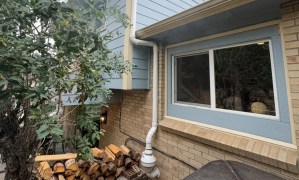
The vent pipe carries radon gas from beneath the home and releases it safely above the roofline. Any blockage, crack, or separation can disrupt airflow and reduce system performance.
Manometer / U-Tube Gauge
This small gauge shows whether the system is creating proper suction. It is one of the simplest ways for homeowners to check system operation.
Alarms & Monitoring Devices
Some systems include alarms that alert homeowners if the pressure drops or the fan fails. These devices add an extra layer of protection.
Sealed Sump Lids, Crawl Space Barriers & Foundation Seals
Seals prevent radon from bypassing the mitigation system. Over time, seals can crack or loosen, requiring repair.
What Homeowners Should Check Regularly
Manometer Readings & What They Mean
The liquid levels in the manometer should remain uneven. If the levels are equal or suddenly change, the system may not be working properly.
Visual Inspection of the Fan & Piping
Check for disconnected pipes, visible cracks, or signs of wear. Exterior piping should be firmly attached and intact.
Listening for Unusual Noises or Vibrations
Grinding, rattling, or loud humming sounds may indicate fan problems. A healthy fan operates quietly.
Checking for Moisture, Cracks, or Gaps Around Seals
Inspect sump lids and foundation seals for moisture intrusion or visible gaps. Moisture can weaken seals over time.
Making Sure the Exhaust Point Is Clear & Not Blocked by Snow/Debris
Snow, debris, or nesting animals can block exhaust points. Winter inspections are especially important in Colorado.
Signs Your Radon System May Need Repair
Manometer Levels Are Flat or Suddenly Change
This is often the first visible sign of system failure and should be addressed quickly.
Fan Not Running or Making Loud Noises
If the fan stops or becomes noisy, airflow may be compromised, and radon levels can increase.
Radon Levels Rising on Your Tester
If test results increase after mitigation, the system may need adjustment or repair.
Visible Damage to Exterior Piping
Cracked or disconnected piping reduces suction and allows radon to reenter the home.
Condensation or Water Inside the Vent Pipe
Water buildup can block airflow and damage the fan. This issue requires professional attention.
How Often Should You Test Your Home for Radon?
EPA Recommendation Every Two Years
The EPA recommends testing at least every two years to confirm system effectiveness.
After Major Home Renovations
Renovations can change airflow patterns and affect radon movement.
After Fan Replacement or System Repairs
Testing confirms that repairs were successful and radon levels remain low.
During Seasonal Changes in Colorado
Winter and early spring testing often shows the highest radon levels due to closed house conditions.
Professional Radon System Maintenance Services
Annual System Checkups
Professional inspections identify minor issues before they become major problems.
Fan Testing and Replacement
Technicians can test fan performance and replace failing units before airflow is compromised.
Pressure Diagnostics
Advanced testing confirms that proper suction is being maintained beneath the foundation.
System Rebalancing for Additions, Remodels, Crawl Spaces
Home changes may require system adjustments to maintain effectiveness.
When to Call a Certified Radon Contractor
Any changes in readings, fan noise, or system performance should prompt a professional evaluation. Learn more about professional solutions on our Residential Mitigation and Crawl Space Encapsulation pages.
DIY vs Professional Maintenance
What Homeowners Can Safely Do
Homeowners can monitor manometer readings, listen for fan noise, and visually inspect components.
What Requires a Certified Radon Mitigator
Fan replacement, pressure diagnostics, and system modifications should always be handled by certified professionals.
Risks of Delayed Repairs
Ignoring maintenance issues can lead to increased radon exposure and higher repair costs later.
Keep Your Radon Levels Low and Your System Working Properly
Radon system maintenance is essential for long-term safety and peace of mind. Regular checks, testing, and professional inspections ensure your system continues protecting your home.
At Better Colorado Radon, we help homeowners maintain effective radon mitigation systems through professional inspections, repairs, and system upgrades.
Protect your investment and your health.
Schedule radon testing or annual system maintenance today! Give us a call, 720-532-7627, or fill out our contact form, https://bettercoradon.com/contact-us/.