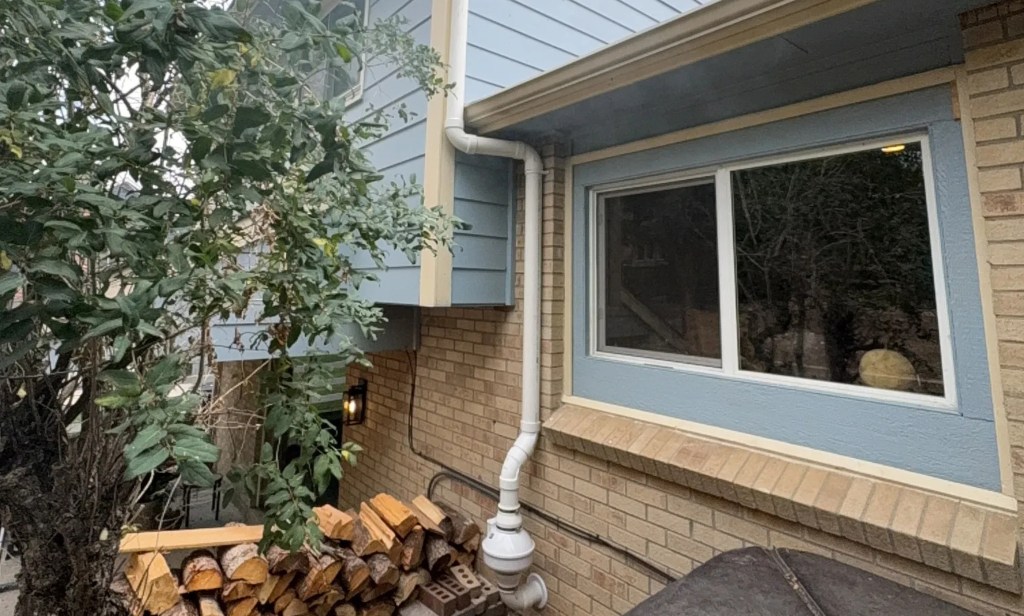
For most Colorado homes, radon mitigation system installation takes between four and eight hours and is completed in a single visit. A certified professional assesses the foundation, drills a suction point, installs PVC piping routed to the exterior, and connects a continuously running fan. Most homeowners can return to normal routines the same day, and radon levels typically begin dropping within 24 hours of installation.
If you’re wondering how long it takes to install a radon mitigation system, the short answer is: probably less time than you expect. Here’s a detailed breakdown of what drives the timeline and exactly what happens from the moment the crew arrives.
Start by exploring our residential radon mitigation service page if you want an overview before diving into the day-of details.
What Affects How Long Radon Mitigation Takes?
Not every installation is identical. These four factors have the biggest influence on how long your job takes.
Foundation Type
Slab-on-grade homes, basements, and crawl spaces each require a different approach. Slabs and basements are generally the fastest. Crawl spaces take longer, especially when encapsulation is needed.
Home Size and Number of Suction Points Needed
A small home with a simple foundation may need only one suction point. A larger home, or one where sub-slab communication is limited, may need two or three. Each additional suction point adds time.
Accessibility of the Installation Area
Easy access to the basement floor or slab speeds things up. Cluttered mechanical rooms, finished ceilings below the routing path, or utility obstacles can add time to the job.
Finished vs. Unfinished Spaces
Routing a pipe through an unfinished basement or garage wall is fast. Running it through a finished closet or utility chase takes more care and time to keep the result clean and professional.
Step-by-Step: What Happens on Installation Day
Here’s what to expect from start to finish.
Pre-Installation Walkthrough and Assessment
The installer walks the home to evaluate the foundation, locate the best suction point, and map the pipe route. A communication test, a small test hole drilled through the slab, confirms how well air moves through the sub-slab material and whether one suction point will be enough.
Drilling the Suction Point Through the Foundation
A three- to four-inch hole is drilled through the slab at the selected location. Sub-slab material is cleared from the area to create a collection cavity, which helps the system draw radon from a wider zone beneath the foundation.
Installing the PVC Pipe and Routing to the Exterior
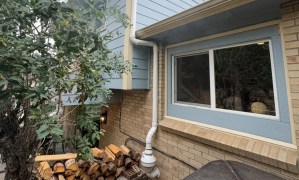
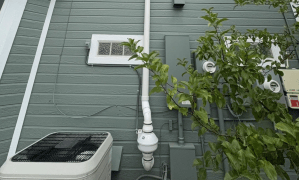
The pipe is fitted into the suction point and run either through an interior route, up through a closet or utility chase, or along the exterior wall. Both are equally effective. At Better Colorado Radon, we custom-design every system and choose the most practical and custom path for your home’s layout and aesthetic. We take pride in specializing in making boutique layouts that fit your needs.
Connecting and Testing the Fan
The inline fan is connected and secured. It runs continuously at low wattage and low noise. A manometer gauge is installed on the pipe so you can see at a glance that the system is operating correctly.
Pressure Field Testing and Final Check
The installer verifies that the system is depressurizing the area beneath the slab properly. All foundation penetrations and known radon entry points are sealed. The post-mitigation radon test is placed to begin measuring results.
For a deeper look at each of these steps, our radon mitigation system installation guide walks through the full process in detail.
How Long Does Radon Mitigation Take by Foundation Type?
Slab-on-Grade Homes (typically 3–5 hours)
These are often the fastest jobs. The pipe typically runs along an exterior wall or through a garage, and there’s no basement to navigate. Additional suction points may be needed for larger footprints.
Basement Foundations (typically 4–6 hours)
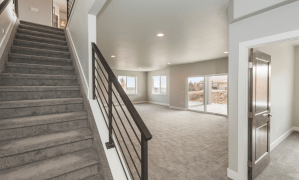
The most common installation type in Colorado. The suction point is drilled through the basement floor, and the pipe is routed upward through an interior or exterior path. Straightforward and well-understood by any experienced crew.
Crawl Space Foundations (varies; may require encapsulation)
Crawl space jobs take longer when encapsulation is needed. This requires laying a heavy-duty polyethylene barrier across the crawl space floor before installing a sub-membrane depressurization system. This is more involved but provides a thorough, lasting solution.
Mixed or Complex Foundations (may require additional suction points)
Homes with a partial basement and crawl space, or multiple slab sections, may need independent suction points for each zone. These jobs can run six to eight hours or more depending on scope.
Can Radon Mitigation Be Done in One Day?
Yes! For most Colorado homes.
Single-family homes with standard foundations are almost always completed in one visit. The only scenarios that typically require a follow-up are complex multi-zone systems, unexpected sub-slab conditions discovered mid-installation, or homes that need additional encapsulation work in a crawl space.
To avoid delays, clear the installation area before the crew arrives. Move stored items away from the basement floor, empty the closet if the pipe routes through it, and make sure the installer has unobstructed access to the foundation and exterior walls.
How Soon Will Radon Levels Drop After Installation?
Most homeowners see a significant drop within the first 24 hours.
Radon levels may fluctuate briefly in the first day or two as the system establishes consistent negative pressure beneath the slab. This is normal. Levels typically stabilize within 24 to 48 hours of installation, at which point the system is performing at or near its long-term baseline.
Schedule post-mitigation testing no sooner than 24 hours after installation. Keep closed-house conditions in place during the test period for an accurate result. For guidance on what your system needs over the long term, our radon system maintenance guide covers fan monitoring, retesting schedules, and what to watch for as the system ages.
How Long Does Post-Mitigation Testing Take?
The post-mitigation test runs for 48 to 96 hours under closed-house conditions. Lab results typically come back within two to five business days after the device is received.
A properly installed system should bring radon well below the EPA’s 4.0 pCi/L action level — most achieve results below 2.0 pCi/L. If results are still elevated, contact your contractor; the system may need an additional suction point or a stronger fan. Our guide on how to read a radon test explains what your post-mitigation numbers mean and what they call for.
Does Radon Mitigation Disrupt Daily Life?
Less than most homeowners expect.
Installation is contained to the suction point area and the pipe route. The rest of the home is unaffected, and you don’t need to leave during the work. Drilling creates some dust near the foundation, but the crew manages that as part of the job. Once the system is running, the fan produces a low hum that’s barely noticeable, especially when installed in an attic or along an exterior wall.
Schedule Your Radon Mitigation Installation With Better Colorado Radon
For most Colorado homes, radon mitigation is a single day of work with results you’ll benefit from for years. A certified crew, a proper assessment, a correctly installed system, and a confirmed post-mitigation test —that’s the full picture.
Better Colorado Radon installs radon mitigation systems across Colorado with same-day turnaround for standard residential properties. Our licensed team handles the assessment, installation, and post-mitigation testing from start to finish.
Book Today to schedule your installation with Better Colorado Radon.