
If you have ever wondered why radon is high in basements, you are not alone. Radon is a naturally occurring radioactive gas that forms from the breakdown of uranium in soil and rock. It seeps into homes through cracks, drains, and foundation openings. Because it has no color, odor, or taste, it is impossible to detect without a professional test.
In Colorado, high radon levels are extremely common due to the state’s geology and elevation. Basements and lower levels are the most affected areas, often showing the highest concentrations of radon gas. Understanding why this happens and how to reduce it can protect your family’s health and your property’s value.
Reasons to Know Why Radon Is High in Basements
Knowing why radon levels are higher in basements helps homeowners take the right steps to manage the problem. It also helps explain why testing and mitigation are essential, even in newer or well-sealed homes.
Basements Are Living Spaces
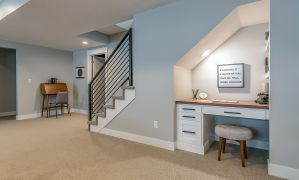
Many Colorado homeowners use basements as finished living areas for entertainment, offices, or bedrooms. Because radon gas enters from the soil beneath the foundation, the basement becomes the first point of contact. Spending extended time in this area increases the likelihood of exposure.
Vulnerability of Children
Children are more sensitive to radon high in basements because their lungs are still developing and they breathe faster than adults. Families with children who play, sleep, or study in basement rooms face greater long-term risk if radon levels remain unchecked.
Radon’s Concentration Is Strongest at Floor Level
Radon is heavier than air. This means it tends to accumulate near the ground, especially at the lowest level of a home. In basements, air circulation is limited, allowing the gas to linger and concentrate. Without proper ventilation or mitigation, radon levels can climb to dangerous levels quickly.
Elevated Health Risk Due to Exposure Time
Basements often have limited natural airflow and remain closed for most of the year. People who spend several hours per day in these spaces are continuously breathing the same trapped air. Over time, prolonged exposure to radon particles increases the risk of lung cancer, even for non-smokers.
Property Value and Negotiations
Buyers in Colorado are increasingly aware of radon high in basements and expect sellers to disclose testing results. High readings can delay real-estate transactions or lower property values. Homes that have certified mitigation systems installed often sell faster and at stronger prices.
Colorado Disclosure Law
Colorado law requires sellers to disclose any known radon test results and provide educational materials to buyers. Failing to share this information can lead to legal and financial complications. Testing and mitigation not only protect health but also ensure compliance with state regulations.
So, Why Is Radon High in Basements?
Basements sit closest to the soil, where radon originates. The combination of geology, pressure differences, and construction design makes them the ideal environment for radon buildup.
1. Geological Proximity
Radon comes from uranium found in rocks and soil beneath the foundation. Since basements are partially or fully underground, they are in direct contact with these materials. The gas seeps upward through cracks and openings, entering the home through the foundation slab, floor joints, and utility penetrations.
Colorado’s mountainous terrain and mineral-rich soil increase this geological proximity. That is why homes throughout the Front Range and mountain communities often show higher readings than the national average.
2. The “Chimney Effect” (Stack Effect)
The “stack effect,” sometimes called the chimney effect, occurs when warm air rises and escapes through the upper levels of a home. As that air leaves, lower pressure forms at the base of the structure. The home then draws replacement air from the soil beneath the foundation.
Unfortunately, this replacement air often carries radon gas. The stronger the pressure difference, the more radon gets pulled inside. During winter months, when homes are sealed tight, the stack effect can cause radon levels to spike in basements and lower floors.
3. Entry Points
Radon does not need large openings to enter a home. It moves through tiny cracks in concrete, gaps around utility lines, sump pump pits, floor drains, and construction joints. Even well-sealed basements can have enough micro-gaps for gas to enter. Water entering through foundation cracks can also carry radon, increasing the total concentration indoors. Regular inspection and sealing of visible openings can help reduce these pathways, but mitigation is often necessary for complete control.
Where Else Can Radon Be Found in Homes?
Although radon is strongest in basements, it can also migrate to other areas of the home. Understanding all possible sources ensures complete protection from exposure. Learn more in our full guide on where radon is found in homes.
Upper Levels
While levels usually decrease with height, radon can still be present on upper floors, especially if the home has poor ventilation or air circulation. Heating and cooling systems can distribute air containing radon throughout the house, exposing every occupant.
Crawl Spaces
Crawl spaces are another common source of radon because they often have exposed soil and limited airflow. This makes it easy for radon to rise into the living space above. Installing a vapor barrier or full encapsulation system can help block this entry point. Learn more about crawl space mitigation and how it helps reduce radon and moisture.
Well Water
In rare cases, radon can dissolve into groundwater and enter the home through well water. When that water is used for showering, laundry, or cooking, radon can be released into the air. Testing both air and water is recommended for properties that rely on private wells.
How to Mitigate Radon in Basements
The good news is that radon high in basements can be managed with proven mitigation strategies. Professional radon mitigation systems reduce indoor radon levels safely and effectively.
Install a Sub-Slab Depressurization System
This is the most common and reliable mitigation method for basements. It involves installing a vent pipe and fan that pull radon gas from beneath the concrete slab and vent it outside above the roofline. The system continuously runs to prevent radon from entering living spaces.
Seal Cracks and Foundation Gaps
Sealing visible cracks in concrete floors and foundation walls helps limit radon entry. Although sealing alone will not solve the problem, it works best when combined with an active mitigation system. Regular maintenance ensures the seals remain intact.
Improve Basement Ventilation
Adding mechanical ventilation or air exchangers can help dilute radon concentrations. This method is especially effective in finished basements that are frequently used as living areas. Controlled ventilation allows fresh air to enter while venting contaminated air outdoors.
Encapsulate Crawl Spaces and Lower Foundations
If your home has a basement that connects to a crawl space, sealing and encapsulating the crawl area prevents radon migration between levels. This process involves installing a heavy vapor barrier that blocks soil gases and moisture. You can read more about this solution on our Crawl Space Encapsulation page.
Test After Mitigation
After any mitigation work is completed, professional testing should be performed again to confirm that radon levels have been reduced below the EPA’s recommended action level of 4.0 pCi/L. Ongoing testing every few years ensures the system continues to perform effectively.
For more details about professional mitigation, visit our Residential Mitigation page.
Keep Your Entire Home Safe from Radon
Radon may be most concentrated in basements, but it affects the air throughout the entire home. The key to protection is awareness, testing, and professional mitigation.
If you live in Colorado, you are in one of the highest-risk regions in the country. Understanding why radon is high in basements empowers you to take proactive steps. Whether you are building, buying, or living in your home, routine testing and professional evaluation are essential.
At Better Colorado Radon, we help homeowners and builders create safe, healthy living environments. Our certified professionals provide accurate testing, dependable mitigation systems, and ongoing support.
Do not wait until symptoms appear—test today.
Contact Better Colorado Radon to schedule your professional radon test or mitigation consultation. Breathe better, live safer, and protect your family from the invisible risks of radon.