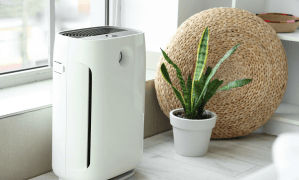
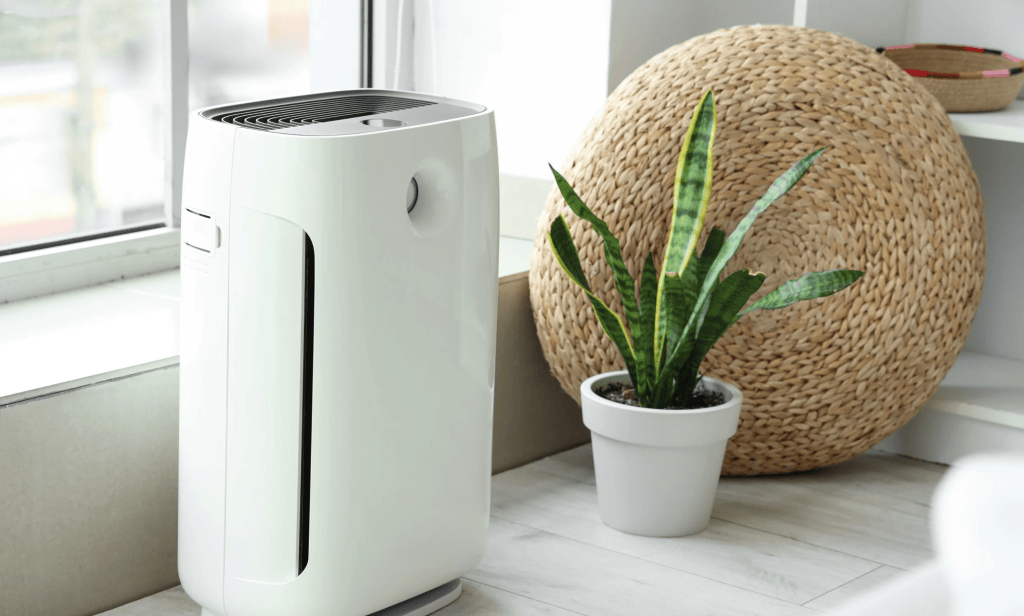
The quick answer to whether air purifiers help with radon is no, and that distinction matters for your health. Standard air purifiers, including HEPA models, cannot remove radon gas from your home. Radon is a gas, not a particulate, so it passes right through the filters designed to trap dust, allergens, and smoke. Air purifiers may reduce some of radon’s radioactive decay products in the air, but they don’t address the source of the problem. The only effective solution is a mitigation system that stops radon from entering the home in the first place.
Can Air Purifiers Filter Out Radon Gas?
HEPA filters work by physically trapping particles, tiny solids and liquid droplets, as air moves through a dense fiber mesh. They’re highly effective at capturing pollen, pet dander, mold spores, and fine particulate matter. However, radon is a gas, not a particle. It moves freely through filter fibers the same way air does, and nothing about a HEPA filter’s design can capture it.
Activated carbon filters, often paired with HEPA units, do adsorb some gases. However, radon does not bind effectively to activated carbon under normal household conditions. It isn’t a reliable or approved method for radon reduction. The fundamental problem is the same: air purifiers treat what’s already in the air, while radon continuously enters from the soil beneath the home.
The confusion is understandable. Indoor air quality marketing covers everything from allergens to odors to chemical pollutants, and air purifiers are frequently promoted as a broad solution. That framing leads many homeowners to assume an air purifier handles radon the same way it handles smoke. It doesn’t.
What Air Purifiers Can and Can’t Do About Radon
Reducing Radon Decay Product Particles
When radon gas decays, it produces radioactive solid particles, called decay products or progeny, that attach to dust and airborne particles in your home. These decay products are the primary source of radiation exposure when you breathe radon-contaminated air. A HEPA filter can capture some of those decay product particles, which may modestly reduce exposure. However, this is not the same as removing radon itself.
Why Gas-Phase Radon Passes Right Through
The gas itself, radon atoms moving freely through the air, passes through any standard filter without resistance. As long as radon continues entering the home from the soil, the concentration in your air remains elevated regardless of how powerful your air purifier is. Filtering decay products downstream doesn’t stop the source. It’s similar to mopping a floor while the faucet is still running. For a clear explanation of what radon actually is and how it behaves, our overview of what is radon covers the basics.
Why People Confuse Air Purifiers With a Radon Solution
The indoor air quality industry markets air purifiers as whole-home protection. Terms like “clean air,” “pollutant removal,” and “healthier indoor environment” appear on nearly every product. For many common indoor air problems — dust, smoke, pet dander, VOCs — that marketing is accurate. As a result, it’s natural to assume the same technology covers radon.
Additionally, radon is invisible and odorless, so homeowners can’t verify whether their purifier is doing anything about it. That sensory gap makes it easy to feel protected when the actual risk is unchanged. Radon is the second leading cause of lung cancer in the United States, and long-term exposure above the EPA’s 4.0 pCi/L action level carries serious health consequences. Our post on radon health risks explains those risks and why the EPA’s action level exists.
What Actually Reduces Radon Levels?
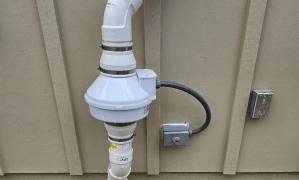
Active soil depressurization (ASD) is the proven method for reducing indoor radon. A licensed contractor installs a pipe through the foundation slab, connects it to a continuously running fan, and vents the radon-laden soil gas above the roofline before it can enter the living space. This system addresses radon at the source, beneath the home, rather than trying to manage it after it’s already in the air.
ASD systems routinely reduce indoor radon by 90% or more. Most professionally installed systems bring levels well below the EPA’s action level, often to near-outdoor concentrations. For a full breakdown of how these systems work and what installation involves, our guide, How a Radon Mitigation System Works, covers the process from assessment to post-mitigation testing.
Can Ventilation or DIY Methods Help in the Meantime?
Opening windows and increasing cross-ventilation can temporarily dilute indoor radon by bringing in outdoor air. However, this only works while windows are open — and in Colorado, that’s a limited option for much of the year. Furthermore, ventilation doesn’t stop radon from entering the home. It simply reduces concentration for a short window. The moment you close the windows, levels begin climbing again.
Other DIY approaches, like sealing foundation cracks with caulk, can reduce entry points but rarely deliver significant long-term reductions on their own. Our guide to DIY radon mitigation covers what these methods can and can’t realistically accomplish, and when professional mitigation is the right next step.
How Do You Know If You Need More Than an Air Purifier?
Testing is the only way to know your home’s actual radon level. Radon varies significantly from home to home, even on the same street, based on soil type, foundation construction, and ventilation patterns. An air purifier provides no information about whether radon is elevated, and no meaningful protection if it is.
Short-term tests run for at least 48 hours and provide a quick baseline. Long-term tests run for 90 days or more and reflect seasonal variation more accurately. Our review of the best radon detectors helps homeowners choose the right testing option for their situation.
Get a Solution That Actually Works
An air purifier is a useful tool for many indoor air quality concerns, but radon isn’t one of them. If you’ve been relying on an air purifier to manage radon risk, testing your home is the most important next step. A result at or above 4.0 pCi/L means a mitigation system is the right solution, not a filter upgrade.
Better Colorado Radon provides professional radon testing and mitigation for homeowners across Colorado. Our licensed team handles everything from the initial test to system installation and post-mitigation verification.
Book Today to schedule radon testing or mitigation with Better Colorado Radon.