A radon fan is the engine of your mitigation system, and like any mechanical component, it doesn’t last forever. Most radon fans carry a manufacturer lifespan of 15 to 20 years, though real-world performance varies based on installation quality, humidity exposure, and how hard the fan works. Because a radon fan runs continuously, 24 hours a day, it accumulates wear faster than most home appliances. When it fails, radon levels can climb back toward pre-mitigation levels without any visible warning sign.
What Is a Radon Fan and Why It Matters
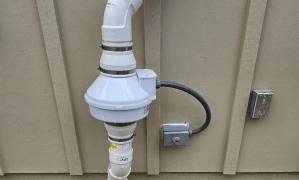
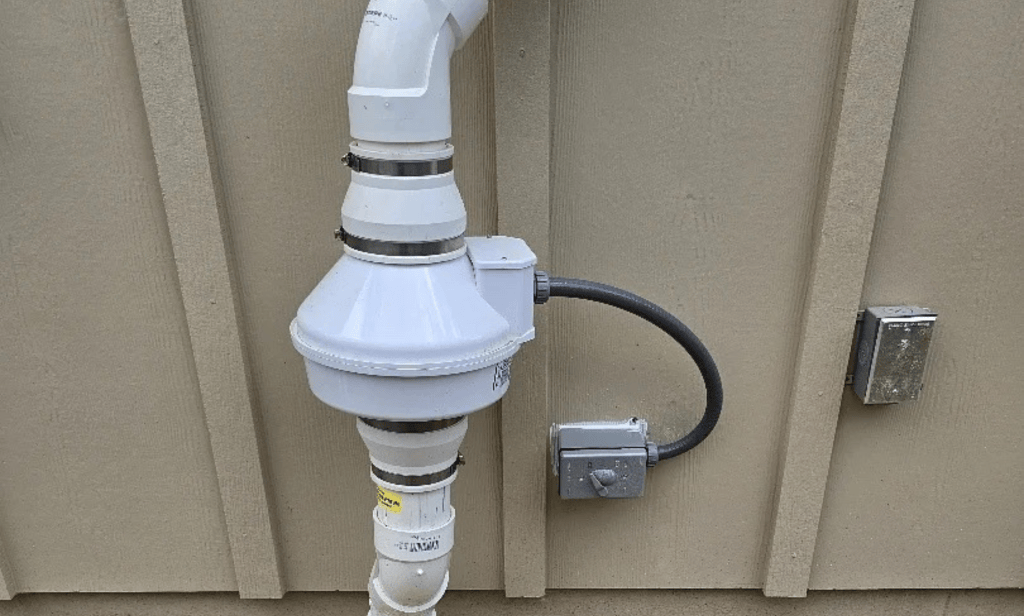
A radon fan is the motorized component that powers an active soil depressurization (ASD) system, the most widely used method for reducing radon in Colorado homes. The fan connects to a PVC pipe that runs through or alongside the foundation. It creates continuous negative pressure beneath the slab, pulling radon-laden soil gas out from under the home and venting it safely above the roofline before it can enter the living space.
Unlike a furnace or air conditioner that cycles on and off, a radon fan never stops. It runs around the clock, every day of the year, in conditions ranging from basement humidity in summer to sub-zero Colorado winters. That constant duty cycle is what makes the fan the most wear-prone component in the system, and the one most homeowners forget to think about until something goes wrong.
Average Lifespan of a Radon Fan
Most radon fans last between 15 and 20 years under normal conditions. Some models from quality manufacturers exceed that range with minimal maintenance. Others fail earlier, particularly when installed in high-humidity environments or when the system wasn’t sized correctly for the home’s sub-slab conditions.
Several factors shorten fan lifespan. High moisture exposure corrodes motor components over time. A fan working harder than necessary, due to poor sub-slab communication or an undersized unit, also wears out faster. A well-matched fan in a dry installation, on the other hand, can reach the upper end of its rated lifespan. Understanding how a radon mitigation system works helps homeowners recognize what normal operation looks like, so changes get noticed sooner.
Signs Your Radon Fan Is Failing
Radon fans don’t always fail with a dramatic shutdown. Many degrade gradually, giving off warning signs before they stop working entirely.
Unusual Noise or Vibration
A healthy radon fan produces a low, steady hum. Grinding, rattling, or high-pitched whining indicates bearing wear or motor degradation. Vibration that’s new or more pronounced than usual is another early warning. These sounds typically show up weeks or months before a full failure.
Fan Has Stopped Running
The most obvious failure. If you place your hand near the exterior exhaust point and feel no airflow, or if the system’s indicator shows no pressure differential, the fan has stopped. A tripped circuit breaker occasionally causes this, but if resetting it doesn’t restore operation, the motor has likely failed.
Motor Humming Without Airflow
Sometimes a fan motor continues to draw power and produce a hum while the impeller has seized or broken. The system sounds like it’s running, but it produces no airflow and no depressurization. This failure mode is particularly deceptive because it mimics a working system without providing any protection.
For a full checklist of what to monitor, our radon system maintenance guide covers inspection intervals and what to look for between professional visits.
How to Check If Your Radon Fan Is Still Working
The simplest check is the U-tube manometer mounted on the system pipe — a small gauge filled with colored fluid. When the fan runs correctly, the fluid sits lower on one side, indicating negative pressure beneath the slab. Equal fluid levels on both sides mean the system has lost pressure, which usually points to a failed fan.
Some systems use a visual indicator light or a simple airflow sensor instead of a liquid manometer. Either way, checking the indicator takes about ten seconds and should become a monthly habit.
If the indicator looks normal but you suspect elevated radon, a follow-up test is the only way to confirm the system is actually reducing levels. Our guide on how to read a radon test explains what your numbers mean and when they call for action.
What Happens When a Radon Fan Fails?
When a radon fan stops working, the depressurization beneath the slab stops with it. Radon that was being continuously vented away begins accumulating under the foundation again, and eventually finds its way back into the living space. Levels can return to pre-mitigation concentrations within days or weeks.
The problem is that nothing in the home looks or smells different. Radon is colorless and odorless, and the system appears intact — the pipe is still there, the fan housing looks fine. Without a regular indicator check or follow-up test, a failed fan can go undetected for months. That silent exposure adds up. Our overview of radon poisoning symptoms explains why long-term exposure is a serious health risk even when no immediate symptoms appear.
Replacing a Radon Fan
Fan replacement in Colorado typically costs between $200 and $500 for parts and labor, depending on the fan model, system configuration, and accessibility. The fan itself usually runs $75 to $200; the remainder covers professional labor and post-replacement verification.
Some homeowners attempt DIY fan replacement. However, selecting the wrong fan for the system’s pressure requirements can leave the home underprotected even with a working motor. A professional replacement includes a pressure verification step to confirm the new fan maintains adequate depressurization and identifies any other system issues that may have developed alongside the fan failure.
Keep Your Radon System Running Efficiently
A radon fan is a small component with an outsized impact on your home’s air quality. Testing your radon levels every two years and checking the system indicator monthly catches problems early, before radon has weeks or months to accumulate unnoticed.
Better Colorado Radon inspects, services, and replaces radon fans for Colorado homeowners. Whether your system is showing warning signs or simply due for a checkup, our licensed team gets it back to full performance fast.
Book Today to schedule a radon fan inspection or replacement with Better Colorado Radon.