
A failed radon test typically means the home tested at or above the EPA action level of 4.0 pCi/L. While this can feel alarming during a real estate transaction, a failed radon test does not mean the sale is over. In most cases, buyers and sellers negotiate a solution, such as installing a radon mitigation system or adjusting the purchase agreement. Understanding your options can help keep the transaction on track while ensuring the home is safe for future occupants.
If you’ve just received a radon report that came back higher than expected, take a breath. This happens constantly across Colorado real estate transactions, and there are clear, well-established paths forward for everyone involved. Below, we’ll walk through what a failed test means, how it fits into the inspection timeline, what your options look like, and why elevated radon is more of a known quantity in Colorado than a rare red flag.
What Does a Failed Radon Test Actually Mean?
When a radon test “fails,” it simply means the recorded average radon concentration in the home met or exceeded the EPA’s action level of 4.0 picocuries per liter (pCi/L). This number represents the threshold at which the EPA recommends taking corrective action because long-term exposure at or above that level carries a meaningfully elevated risk of lung cancer over a lifetime of occupancy. It’s worth noting that 4.0 pCi/L is a recommendation, not a hard legal limit, and some buyers or lenders may apply their own thresholds within a contract.
It’s also important to separate “elevated radon” from “immediate danger.” Radon is a slow-acting, long-term health risk tied to cumulative exposure over years, not an acute hazard like a gas leak or structural failure. A test result of 5.2 pCi/L or even 12 pCi/L doesn’t mean anyone needs to evacuate the property or that something is actively wrong with the home right now. It means that without corrective action, occupants living there for years would face an increased statistical risk of lung cancer. This distinction matters because it shapes how the rest of the transaction proceeds: a failed test is a fixable condition, not a crisis.
Radon shows up so frequently during real estate transactions because buying a home is often the first time anyone tests for it. Many existing homeowners never test their own homes since radon is colorless, odorless, and produces no immediate symptoms, leaving no built-in trigger to check outside of a sale. Lenders, buyer’s agents, and inspectors have increasingly normalized radon testing as a standard part of due diligence, so results now surface at exactly the moment a transaction is most sensitive to surprises. The home was likely always at that level; the test just made it visible.
How Radon Testing Fits Into the Home Inspection Process
Buyers order radon testing for the same reason they order a general home inspection: to understand a property’s full condition before finalizing a purchase. Radon is one of the few health risks a standard visual inspection cannot detect, since it requires specialized monitoring equipment placed in the home’s lowest livable level over a set period of time. Because elevated radon is so common across Colorado, many buyer’s agents now treat real estate radon testing as a default part of due diligence rather than an optional add-on, particularly for homes with basements or slab-on-grade construction.
Timelines matter here, and they’re tighter than many buyers expect. Most contracts include an inspection objection deadline, often 7 to 14 days after acceptance, and radon testing needs to happen early enough within that window to leave time for results and negotiation. Short-term radon tests, the standard for real estate transactions, generally need to run for a minimum of 48 hours under closed-house conditions to produce a valid reading. Buyers and agents should understand how long radon tests take early on so the test can be scheduled and returned with enough runway to negotiate before deadlines pass.
Radon professionals and home inspectors typically coordinate closely, since the radon test is often placed during the same visit as the general inspection, even though it’s a separate service requiring its own certified technician and equipment. The inspector may flag conditions in the crawl space or foundation that could influence radon levels, while the radon professional handles placement, monitoring, and reporting. Understanding how radon testing during a home inspection is scheduled helps buyers and sellers avoid delays that could push past contractual deadlines.
What Happens After a Failed Radon Test?
Once a test comes back at or above 4.0 pCi/L, the buyer typically submits a formal objection or amendment request to the seller, similar to how other inspection issues are handled. From there, three general paths tend to play out, and which one applies usually depends on local market conditions, the specifics of the contract, and how motivated each party is to keep the deal moving.
Option 1: The Seller Pays for Mitigation
In many Colorado transactions, especially in balanced or buyer-favorable markets, the seller agrees to pay for a professional radon mitigation system installed before closing. This is often the cleanest resolution because it directly addresses the health concern, gives the buyer documented proof the issue has been corrected, and allows the transaction to close on the original timeline without renegotiating price. Sellers frequently prefer this option because it resolves the issue definitively rather than leaving it as an open item that could resurface in future disclosures.
Option 2: The Buyer Receives a Credit
Alternatively, the seller may offer a closing cost credit or price reduction equal to the estimated cost of mitigation, letting the buyer schedule and manage installation themselves after closing. This gives buyers more control over timing and contractor choice, which some prefer, especially if they want to coordinate the work with other planned renovations. The tradeoff is that the home closes with elevated radon still present, so buyers choosing this route should have a firm plan and contractor lined up rather than letting the credit sit unused.
Option 3: The Parties Negotiate Alternative Terms
In some cases, particularly in competitive seller’s markets, sellers push back on covering mitigation costs entirely, leading to alternative negotiations such as a smaller credit, a shared cost split, or other concessions elsewhere. Occasionally a buyer decides the radon finding isn’t a dealbreaker at all and proceeds without any credit, especially if mitigation costs are modest relative to the purchase price. The right outcome depends heavily on leverage, local market dynamics, and how each party weighs the cost of mitigation against the cost of delay.
In Colorado specifically, these negotiations tend to move quickly because radon findings are routine enough that most agents, lenders, and title companies already have a standard process for handling them. It’s rarely treated as a novel problem requiring extensive legal back-and-forth; it’s simply one more line item to resolve before closing, similar to a roof repair or a furnace replacement.
Can a Home Sale Fall Through Because of Radon?
Technically, yes, a sale can fall through over radon, but in practice this is uncommon in Colorado because elevated readings are so widespread that the industry has built efficient processes around resolving them. Given that roughly half of homes tested across the state come back above the EPA action level, agents, lenders, and title companies rarely treat a failed test as an emergency. It’s an expected possibility that contracts are often written to anticipate, sometimes with radon contingency language already built in.
Most transactions proceed successfully past a failed radon test because the fix is well understood, reasonably affordable relative to the value of the home, and quick to schedule with a qualified mitigation contractor. Compared to issues like foundation problems or major roof damage, radon mitigation is a known, bounded cost with a clear resolution path, which makes it far easier for both parties to agree on a way forward. Deals are far more likely to collapse over financing issues, appraisal gaps, or unresolved structural concerns than over a radon finding alone.
That said, documentation matters. Buyers should insist on a paper trail showing mitigation was performed by a certified professional and that a post-mitigation test confirms the new radon level falls below the action threshold. Undocumented or informal fixes, such as a seller claiming they “sealed the cracks” without professional verification, leave buyers without proof the issue was actually resolved and can create complications later, including during future resale of the same property.
Radon Mitigation After a Failed Test
How Mitigation Systems Work
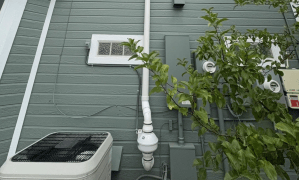
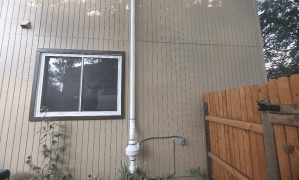
A standard residential radon mitigation system uses a sub-slab depressurization approach, which involves installing a pipe through the foundation slab or sump pit that connects to a continuously running fan. This fan draws radon gas from beneath the home and vents it safely above the roofline, creating negative pressure under the slab so radon is pulled away from the living space rather than seeping upward into it. The systems are unobtrusive once installed, typically a vertical PVC pipe running along an exterior wall or through a closet, along with a small in-line fan and a manometer gauge to monitor performance.
How Long Installation Takes
For most single-family homes, mitigation installation is completed in a single day, generally taking four to eight hours depending on the home’s foundation type, layout, and the location of suitable venting points. This relatively short timeline is one reason mitigation rarely derails a closing date; contractors can often be scheduled within days of an agreement being reached, and the work doesn’t require the home to be vacated. Homes with more complex foundations, such as a combination of basement and crawl space areas, may need slightly longer or a more involved system design.
Why Post-Mitigation Testing Matters
Once a system is installed, a follow-up radon test is essential to confirm the mitigation has brought levels below the 4.0 pCi/L threshold. This isn’t a formality. Mitigation system performance can vary based on installation quality, home construction, and even the specific fan model used, so a post-mitigation test provides the documented proof both buyer and seller need to consider the issue resolved. This test is typically run a few days after installation and becomes part of the permanent record for the transaction, offering peace of mind and a paper trail that protects everyone involved if questions arise later.
Colorado Homes and Elevated Radon Levels
Colorado’s radon problem isn’t random bad luck tied to any one property. All 64 Colorado counties are classified as having high radon potential, a direct result of the state’s underlying geology. The geological makeup of the state includes large deposits of granite and naturally occurring uranium, and as that uranium breaks down over time, it releases radon gas that travels upward through soil and rock until it finds its way into homes through foundation cracks, sump pits, and other openings connected to the ground below.
This geology explains why radon is common across the entire state rather than confined to a few isolated pockets. Surveys show homes in every Colorado county have the potential for levels above the EPA’s 4.0 pCi/L action level, and roughly half of Colorado homes tested for radon come back above that threshold. The average radon level in Colorado homes sits around 6.4 pCi/L, well above the national average, which means a “failed” test result is statistically closer to typical for the state than it is to an outlier.
Given how widespread elevated radon is across Colorado, buyers should view a failed test as a manageable, well-understood fix rather than a dealbreaker or a sign that something is uniquely wrong with the property they’re buying. The infrastructure for resolving it, certified testers, experienced mitigation contractors, and standardized industry practices, is mature and readily available throughout the state. A radon finding says far more about Colorado’s geology than it does about any individual home, and treating it as routine due diligence tends to keep transactions calmer and moving forward on schedule.
Work With Colorado Radon Professionals During Your Real Estate Transaction
A failed radon test during a home inspection can feel like an unwelcome surprise, but it’s one of the most routine and resolvable issues that comes up in Colorado real estate. With clear options for sellers, buyers, and agents, and a mitigation process that’s quick, affordable, and well-documented, there’s no reason a radon finding needs to derail a closing timeline. The key is working with professionals who understand both the testing requirements and the realities of real estate deadlines.
Better Colorado Radon helps buyers, sellers, and real estate professionals navigate every step of the radon testing and mitigation process, from scheduling a compliant test within your inspection window to installing and verifying a mitigation system before closing. Whether you’re trying to satisfy a contract deadline or simply want peace of mind about the home you’re buying or selling, our team is ready to help keep your transaction moving smoothly and safely.
Book Today to schedule your radon test or mitigation service with Better Colorado Radon.