Many homeowners search for radon ventilation solutions after learning their home has elevated radon levels. One of the first questions people ask is whether opening windows to lower radon is enough to solve the problem. The short answer is no. While opening windows can temporarily reduce indoor radon concentrations by introducing fresh air, it is not a permanent or reliable radon ventilation solution. In some situations, opening windows on upper floors can even increase airflow patterns that pull more radon from the soil beneath the home. For long-term protection and meaningful radon reduction, homeowners should rely on diagnostic testing and professional mitigation systems rather than natural airflow alone.
Radon behaves differently from many indoor air contaminants because it originates beneath the home rather than inside it. This means reducing indoor levels requires controlling the source, not simply moving air around. Homeowners researching “does opening windows reduce radon” often discover that temporary reductions disappear quickly once windows are closed again. Understanding how radon enters the home helps explain why ventilation alone falls short. Understanding the science of radon movement is key to solving the problem permanently.
The Science of Radon: Why Can’t We Just Blow It Away?
Radon is a naturally occurring radioactive gas created during the breakdown of uranium in soil and rock. It rises from the ground and enters homes through small openings in the foundation. Because radon originates beneath the home, it continues entering as long as pressure differences exist between indoor air and the soil below. Opening windows may temporarily dilute indoor air, but it does not prevent radon from entering. Once the windows close, the gas often accumulates again because the source remains active. Understanding what radon is helps explain why permanent solutions focus on controlling entry rather than increasing airflow.
Radon also behaves differently because it moves according to pressure and airflow patterns. Homes naturally create negative pressure near the foundation through heating systems, exhaust fans, and warm air movement. This pressure pulls soil gases into the building. Unlike smoke or odors that can be ventilated out easily, radon continuously replenishes itself from beneath the structure. This makes source control essential for long-term protection. Effective radon reduction requires stopping the gas before it enters occupied spaces.
Does Opening Windows Reduce Radon or Make It Worse?
The answer to does opening windows reduce radon is more complicated than many homeowners expect. Opening windows can temporarily lower radon levels by introducing outside air and diluting indoor concentrations. During the time windows remain open, indoor readings may decrease. However, this reduction is often short-lived and inconsistent. Weather, wind direction, and outdoor temperatures all influence the results. Once windows are closed, radon commonly returns to previous levels.
In some situations, opening windows can even complicate radon movement. Upper-level windows may alter indoor pressure patterns and strengthen the stack effect. As warm air leaves the upper levels of the home, additional air may be pulled in from the foundation below. This can increase radon entry rather than reduce it. The result is that opening windows to lower radon may sometimes create the opposite effect that homeowners expect. Because airflow patterns vary from home to home, relying solely on ventilation is unpredictable.
How to Lower Radon Levels in Basement Spaces
Basements often show the highest radon concentrations because they sit closest to the soil source. Homeowners researching how to lower radon levels in basement spaces often begin with ventilation strategies. While airflow improvements may help temporarily, long-term results require addressing the entry pathways and pressure conditions that allow radon to accumulate. Understanding why radon accumulates in basements helps homeowners focus on the source rather than the symptoms. Effective solutions combine sealing, airflow control, and mitigation techniques.
Seal Foundation Cracks and Sump Basins
Foundation cracks, expansion joints, sump pits, and utility penetrations provide direct pathways for radon entry. Sealing these openings helps reduce airflow from the soil into the home. Properly sealed sump lids are especially important because open pits can allow significant radon infiltration. However, sealing alone is rarely enough to eliminate elevated radon levels. Small gaps can remain, and new openings may develop over time. Sealing should be viewed as part of a broader mitigation strategy rather than the entire solution.
Limit Natural Ventilation to Upper Floors
Many homeowners try opening windows to reduce radon levels, especially in basements. While increased airflow can temporarily dilute concentrations, excessive upper-floor ventilation may exacerbate pressure differences inside the home. This can increase the suction effect, pulling radon from beneath the foundation. Controlled ventilation is generally more effective than leaving windows open continuously. Understanding how airflow changes indoor pressure is essential. The goal is balanced airflow rather than uncontrolled ventilation.
Address the Stack Effect with House Pressurization
The stack effect is one of the biggest drivers of radon entry. Warm air naturally rises and exits through upper portions of the home, creating lower pressure near the foundation. This pressure difference pulls radon upward from the soil. House pressurization strategies can sometimes help reduce this effect by balancing airflow. However, they must be carefully designed because improper adjustments can worsen radon movement. Professional evaluation is recommended before making significant changes.
Active Radon Ventilation: How to Get Rid of Radon for Good
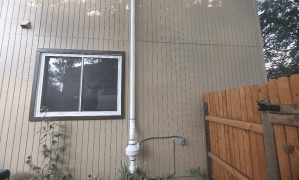
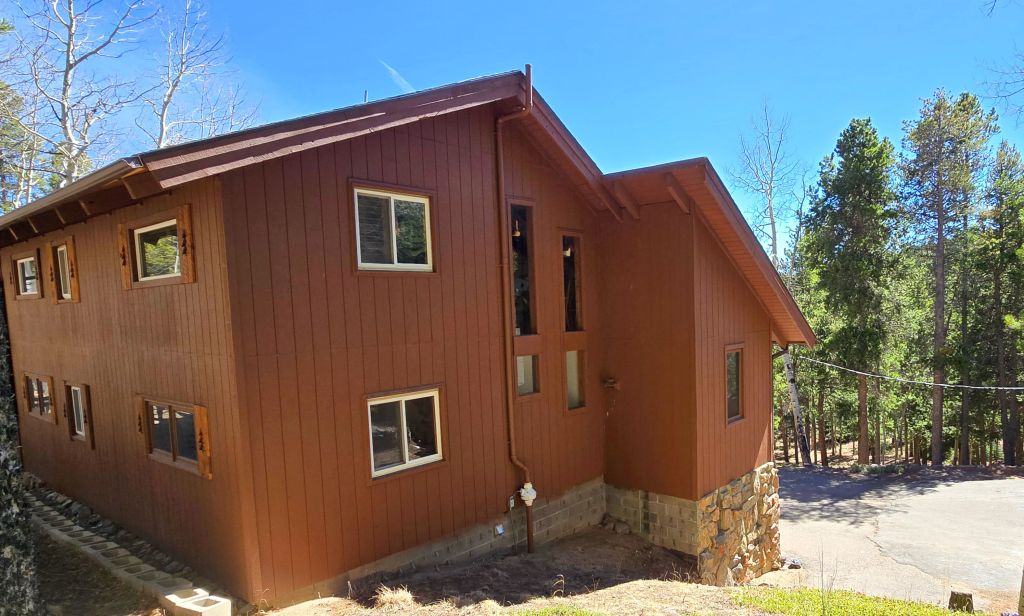
Homeowners searching how to get rid of radon eventually reach the same conclusion: permanent reduction requires active mitigation. An active radon mitigation system works by preventing radon from entering rather than diluting it after it arrives. These systems use controlled suction beneath the foundation to capture radon gas and vent it safely outdoors. Active mitigation provides continuous protection regardless of weather or season. Unlike natural ventilation, it addresses the source directly.
Step 1: Conduct Diagnostic Pressure Field Extension Testing
The first step in professional mitigation is understanding how air moves beneath the foundation. Diagnostic pressure field extension testing evaluates soil communication and airflow pathways. This information determines the most effective extraction points for the system. Proper diagnostics help ensure the mitigation system will perform efficiently. Without this step, results may be inconsistent.
Step 2: Seal the Sub-Slab Extraction Points
Once suction locations are identified, extraction points are sealed and prepared. Sealing helps maximize suction beneath the slab and improves system efficiency. It also limits additional radon entry pathways. Proper sealing supports long-term system performance. This step works together with active depressurization.
Step 3: Route the Vent Piping to the Exterior or Attic
Vent piping transports captured radon safely away from the home. Pipes are routed through the structure and terminate above the roofline or designated exterior locations. Routing is designed to minimize visual impact while maintaining performance. Professional placement also considers noise and accessibility. Proper routing is critical for effective operation.
Step 4: Install a Continuous Inline Radon Fan
The radon fan is the heart of the mitigation system. It operates continuously to maintain suction beneath the foundation. This prevents radon from entering occupied spaces. Proper fan sizing is important because every home behaves differently. Continuous operation provides long-term protection.
Step 5: Run a Post-Mitigation Test to Confirm Safe Levels
Testing after installation confirms the mitigation system is performing correctly. Post-mitigation testing measures whether indoor radon levels have dropped below recommended thresholds. This step verifies effectiveness and provides peace of mind. It also creates documentation for future reference. Testing remains an essential part of long-term radon management.
Why You Need a Professional Radon Test Before You Vent
Many homeowners assume ventilation is the first step after receiving elevated results. However, the safer approach is starting with a professional radon test. Professional testing identifies actual radon concentrations and helps determine whether ventilation, monitoring, or mitigation is needed. Without testing, homeowners may underestimate the severity of the issue. Temporary airflow changes can also mask true exposure levels.
Professional testing also helps determine how radon is entering the home. Every structure behaves differently depending on foundation type, soil conditions, and airflow patterns. Testing provides the data needed to select the right solution. This prevents unnecessary expenses and delays. Accurate information leads to better decisions.
Breathe Easier with Certified Colorado Radon Ventilation Experts
While opening windows to lower radon may reduce indoor concentrations temporarily, it is not a permanent solution. Questions like does opening windows reduce radon, how to lower radon levels in basement, and how to get rid of radon all point to the same conclusion: source control matters more than airflow alone. Professional mitigation systems provide consistent, year-round protection that natural ventilation cannot match. Understanding how radon enters the home is the first step toward solving the problem permanently.
Contact Better Colorado Radon today for a professional assessment, diagnostic testing, or to install a permanent active mitigation system. Our team can help you understand your home’s radon behavior and create a long-term solution that protects your indoor air quality.