
Choosing the right radon mitigation company is one of the most important decisions homeowners can make after discovering elevated radon levels. A mitigation system is not simply a fan and a pipe installed in the basement. Effective radon reduction requires proper testing, diagnostics, system design, and long-term verification. The company you choose directly impacts how well the system performs and whether your home remains protected over time. Understanding what to look for helps homeowners avoid costly mistakes and invest in a solution that truly works.
Many homeowners begin their search after noticing possible signs of radon in their home or receiving elevated test results. Others are proactively scheduling professional radon testing because of Colorado’s high radon risk. Regardless of how the process starts, selecting the right mitigation partner matters. Certifications, experience, testing methods, and warranties all play a role. Taking time to evaluate providers now can save headaches later.
Why Choosing the Right Radon Mitigation Company Matters
Choosing the right radon mitigation company affects both the safety and long-term value of your home. Radon systems must be designed around foundation type, soil conditions, airflow patterns, and home layout. Poorly designed systems may reduce radon temporarily while failing to solve the underlying issue. Experienced companies understand how pressure fields behave and how to create systems that perform consistently. Homeowners investing in radon mitigation should look beyond price alone and focus on quality, diagnostics, and verification.
The right company also provides confidence throughout the process. They explain results clearly, recommend solutions based on data, and verify performance after installation. A trustworthy contractor should educate homeowners rather than pressure them into decisions. Long-term monitoring and follow-up testing are also signs of a quality provider. The goal is not simply installing equipment. The goal is to maintain safe radon levels over time.
Signs of Radon in Your Home
Radon cannot be seen, smelled, or tasted, which is why testing is essential. However, some home conditions may increase the likelihood of radon accumulation. While these conditions are not proof of radon, they may indicate elevated risk. Recognizing possible signs of radon can help homeowners decide when to schedule professional radon testing. Early awareness often leads to faster action and better outcomes.
Persistent Musty Air and Poor Ventilation Issues
Persistent musty odors or stagnant air in basements and lower levels may indicate airflow and ventilation problems. While radon itself has no odor, homes with poor air circulation often experience greater indoor accumulation of gases and pollutants. Lower levels that feel damp or stuffy may warrant additional attention. Basements with limited ventilation are also more likely to trap radon. If these conditions exist, testing becomes especially important. Indoor air quality concerns should never be ignored.
Cracks in Foundations, Floors, and Basement Walls
Foundation cracks are one of the most common entry points for radon gas. Even small fractures can allow soil gases to move into the home. Settlement cracks, expansion joints, and floor openings all increase the opportunity for radon entry. Over time, homes naturally shift and create new pathways. Properties with visible foundation issues should strongly consider testing. Many homeowners eventually choose residential radon mitigation after elevated results reveal the impact of these entry points.
Plumbing Gaps
Openings around plumbing pipes and utility penetrations create another common radon pathway. These gaps often go unnoticed because they are hidden behind walls or mechanical systems. However, pressure differences inside the home can pull soil gases through these spaces. Plumbing penetrations in basements deserve special attention. Sealing these areas is often part of mitigation design. Combined with testing, they help build a complete radon strategy.
How to Find the Right Radon Mitigation Company
Selecting the right contractor requires more than checking online reviews. Homeowners should verify credentials, ask technical questions, and compare experience levels. Not all contractors specialize in radon. Choosing a company focused specifically on mitigation often leads to better outcomes. Experience and certifications matter because every home behaves differently.
Verify Certifications, Licensing, and Industry Standards
Always verify that the company follows industry standards and maintains proper certifications. Certified professionals complete specialized training related to radon testing and mitigation. This training helps ensure systems are designed and installed correctly. Industry compliance also supports safety and long-term performance. Credentials should be easy to verify and clearly communicated.
Look for NRPP or NRSB Certified Radon Professionals
NRPP and NRSB certifications are among the most recognized credentials in the radon industry. These programs establish training and testing requirements for professionals. Certified contractors understand system diagnostics, pressure field extension, and mitigation design principles. Certification demonstrates commitment to industry standards. It also gives homeowners additional confidence when selecting a contractor.
Evaluate the Company’s Experience and Reputation
Experience matters because radon mitigation is not one-size-fits-all. Ask how many systems the company installs each year and whether they have experience with homes similar to yours. Review testimonials, case studies, and online reviews. Look for consistency in communication and customer satisfaction. A strong reputation often reflects long-term quality.
Questions to Ask Before Hiring a Radon Professional
Are You Certified by NRPP or NRSB?
Certification should always be one of the first questions asked. Certified professionals meet recognized industry standards and maintain ongoing education requirements. They also understand how guidelines and best practices change. Verification is simple and worthwhile. Credentials protect homeowners from inexperienced contractors.
How Long Have You Been Installing Radon Mitigation Systems?
Experience helps contractors quickly identify unique challenges. Older homes, crawl spaces, and complex foundations often require customized solutions. Asking about installation history helps homeowners understand expertise. More experience usually means stronger diagnostic skills. This can improve results significantly.
What Type of Radon Testing Do You Use?
Testing methods matter because results guide mitigation decisions. Ask whether the company uses continuous monitors, short-term devices, or long-term testing methods. Reliable testing creates better system design recommendations. Companies should explain their approach clearly. Learn more about radon home testing before making a decision.
What Mitigation System Do You Recommend for My Home?
Every home requires a different approach. Ask why a particular system is recommended and how it addresses your foundation type. Contractors should explain airflow patterns and extraction points. Generic recommendations should raise questions. Customized solutions usually perform better.
Do You Offer a Warranty on Installation and Equipment?
A warranty demonstrates confidence in workmanship and equipment quality. Ask what is covered and how long the protection lasts. Clarify whether labor and components are included. Written warranties are always preferred. Good companies stand behind their systems.
Will You Perform Post-Mitigation Testing?
Post-mitigation testing verifies that the system works. Without testing, homeowners cannot confirm performance. Verification should always be part of the process. Companies that skip this step may be cutting corners. Testing ensures safe results.
Comparing Quotes Without Sacrificing Quality
Price comparisons are important, but they should not be the only factor. One contractor may quote $1,200–$1,500 for a basic mitigation system. Another may estimate $1,800–$2,500 due to additional diagnostics, sealing, or complex routing. Crawl space systems may range from $2,000–$4,000+ depending on encapsulation needs. Lower pricing is not always better if critical steps are omitted.
Homeowners should compare what is included rather than focusing only on totals. Ask whether post-mitigation testing, warranties, diagnostics, and follow-up visits are included. Clarify equipment quality and system design details. Detailed proposals often indicate better planning. Transparency matters more than the lowest price.
Common Red Flags to Watch Out For
No Certification or Unclear Credentials
Contractors unwilling to provide certification information should raise concern. Professional qualifications should be transparent. Missing credentials may indicate limited experience. Verification protects homeowners. Always ask questions.
Unusually Low Pricing Compared to Other Contractors
Extremely low quotes may mean corners are being cut. Missing diagnostics, lower-quality materials, or a lack of testing can affect performance. Price differences should be explained clearly. Quality systems require investment. Value matters more than cost alone.
Lack of Post-Mitigation Testing or Verification
Testing after installation confirms results. Companies skipping verification leave homeowners uncertain. Post-testing should be standard practice. Verification builds trust. It protects long-term safety.
No Written Warranty or Vague Service Guarantees
Always request warranty details in writing. Verbal promises create confusion later. Clear documentation protects both parties. Strong companies explain guarantees openly. Avoid vague commitments.
Pushy Sales Tactics or Rushed Inspections
Reliable contractors educate rather than pressure. Rushed inspections often miss important details. Homeowners deserve time to ask questions. Professional evaluations should feel informative. Trust your instincts.
Why Local Knowledge Matters for Colorado Homes
Colorado homes face unique radon conditions due to geology, climate, and elevation. Soil composition varies dramatically across the state. Seasonal pressure changes also affect radon movement. Local contractors understand these regional differences. Experience with Colorado homes improves system design and testing accuracy.
Local knowledge also helps with permitting, codes, and environmental conditions. Contractors familiar with the region understand common foundation types and neighborhood trends. This improves diagnostics and recommendations. Local expertise often leads to faster service as well. Geography matters in radon mitigation.
Why Colorado Homeowners Trust Better Colorado Radon for Reliable Radon Mitigation
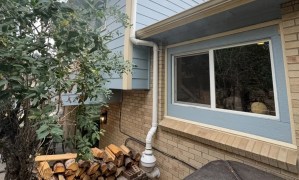
Better Colorado Radon takes a boutique approach to mitigation design. Every home receives a customized solution designed around performance, aesthetics, and homeowner needs. Systems are created to minimize visual impact while maintaining effectiveness. The team emphasizes diagnostics, testing, and verification rather than generic installations. This personalized process creates long-term confidence.
Colorado homeowners also value local expertise and responsive service. Better Colorado Radon understands regional conditions and designs solutions accordingly. Professional testing, customized mitigation, and ongoing support help create lasting results. Homeowners always receive education throughout the process. The goal is effective mitigation with minimal disruption.
Protect Your Home With a Trusted Colorado Radon Mitigation Company
Choosing the right radon mitigation company protects both your home and long-term indoor air quality. Certifications, testing methods, warranties, and local experience all matter. Taking time to evaluate providers helps ensure better results and long-term performance. Professional testing and mitigation provide peace of mind in Colorado’s high-radon environment.
Ready to take the next step?