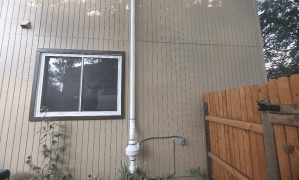

A radon mitigation system for crawl space foundations is one of the most effective ways to reduce radon exposure in homes where gas enters directly from the soil below. Crawl spaces present unique challenges because they often have exposed dirt, limited ventilation, and direct pathways into the living space above.
In Colorado, where radon levels are among the highest in the country, crawl space homes frequently test higher than homeowners expect. Understanding how crawl space radon systems work and when they are needed helps you make informed decisions about protecting your health and your home.
Why Crawl Spaces Are High-Risk Areas for Radon
Exposed Soil and Direct Contact With the Ground
Many crawl spaces have dirt floors or thin gravel layers. This means the home is in direct contact with the soil where radon is generated. Without a barrier, radon gas can rise freely into the crawl space and then move upward into the rest of the home.
Even crawl spaces with partial coverings or older vapor barriers can allow significant radon entry if seams are loose or damaged.
Stack Effect and Air Movement Pulling Radon Upward
Warm air inside the home rises and escapes through upper levels. This creates lower pressure at the base of the structure. The pressure difference pulls air from the crawl space upward, carrying radon with it.
This effect is strongest in winter, when homes are sealed and heating systems run consistently.
Why Crawl Space Homes Often Test Higher Than Expected
Homeowners often assume crawl spaces are vented enough to prevent radon buildup. In reality, vents do not reliably reduce radon and can even make conditions worse during certain seasons. Because of these factors, crawl space homes often test as high or higher than basement homes.
To better understand radon itself, read our blog What Is Radon? Learn Risks, Sources, & Exposure.
What Is a Radon Mitigation System for a Crawl Space?
A radon mitigation system for crawl space foundations is designed to control air pressure and prevent radon from entering the living space.
How Crawl Space Systems Differ From Slab or Basement Systems
Basement systems usually pull radon from beneath a concrete slab. Crawl space systems work above the soil, below the home, which requires a different approach. Instead of drilling through concrete, the system manages airflow under a membrane or within the crawl space itself.
The Role of Pressure and Airflow Control
The goal is to create negative pressure beneath the home so radon is captured and vented outside before it can rise. Fans and vent pipes work together to control airflow and redirect radon safely away from the structure.
Why Crawl Space Systems Require Specialized Design
Every crawl space is different. Soil type, moisture levels, foundation walls, and access points all affect system design. A properly designed system ensures effective radon reduction without causing moisture issues, drafts, or structural concerns.
Common Types of Crawl Space Radon Mitigation Systems
Sub-Membrane Depressurization Systems
This is the most common radon solution for crawl spaces. A durable membrane is placed over the soil, and a vent pipe with a fan draws radon from beneath the membrane. This prevents gas from entering the crawl space air.
Vent Pipe Routing and Exterior Exhaust Placement
Vent pipes must be routed carefully to maintain airflow and meet code requirements. Exhaust points are placed outside and above the roofline to ensure radon disperses safely.
Radon Fans and Pressure Balancing
Fans are sized based on soil conditions and crawl space size. Proper sizing prevents noise, vibration, and energy waste while maintaining effective suction.
Monitoring Devices and Long-Term Performance
Manometers or monitoring devices show whether the system is operating correctly. These tools help homeowners confirm that radon levels remain under control.
Do All Crawl Spaces Need Full Encapsulation?
Not every crawl space requires full encapsulation, but many benefit from it.
When Sub-Membrane Depressurization Alone Is Sufficient
If moisture levels are low and the crawl space structure is sound, sub-membrane depressurization may be enough to reduce radon effectively. This approach focuses on gas control rather than full environmental sealing.
Learn more about options on our Crawl Space Encapsulation service page.
When Moisture, Insulation, or Air Quality Issues Change the Recommendation
If the crawl space has moisture problems, mold concerns, cold floors, or poor insulation, full encapsulation may be recommended. Encapsulation improves radon control while also addressing humidity and comfort.
Why Radon Testing Guides the System Choice
Radon test results determine whether a simple or more comprehensive solution is needed. Testing ensures the system is designed for actual conditions rather than assumptions.
For a deeper look, read Crawl Space Encapsulation: The Comprehensive Approach to Radon Mitigation.
How Professionals Design Crawl Space Radon Systems
Evaluating Soil Conditions and Foundation Type
Professionals assess soil permeability, foundation walls, and crawl space layout. These factors influence suction requirements and system design.
Determining Suction Points and Fan Placement
Strategic placement ensures even pressure distribution under the membrane. Proper fan placement minimizes noise and maximizes efficiency.
Preventing Noise, Vibration, and Visual Disruption
Systems are designed to operate quietly and blend with the home. Pipes and fans are routed to avoid living areas whenever possible.
Ensuring the System Meets Colorado Codes
Colorado has specific radon mitigation requirements. Certified professionals ensure proper labeling, discharge height, and electrical safety.
Testing and Maintaining Crawl Space Radon Systems
Post-Installation Radon Testing
After installation, radon levels are tested to confirm system performance. This step verifies that the mitigation strategy is effective.
Seasonal Retesting in Colorado
Radon levels can change with weather and soil conditions. Retesting every two years or during seasonal changes helps ensure continued protection.
Monitoring Fan Performance Over Time
Fans run continuously and may wear out over time. Monitoring pressure indicators and listening for changes helps identify issues early.
For ongoing care tips, read Radon System Maintenance: What Homeowners Need to Know.
When to Install a Crawl Space Radon Mitigation System
Homes Testing Above EPA Action Levels
If radon levels test at or above 4.0 picocuries per liter, mitigation is recommended.
Older Crawl Spaces With Dirt Floors
Older crawl spaces often lack proper barriers, making radon entry more likely.
Homes With Moisture, Odors, or Cold Floors
These symptoms often indicate airflow issues that also allow radon to move upward.
Before Selling or Renovating a Home
Installing a system before a sale or renovation prevents delays and adds value. Learn more on our Residential Radon page.
Radon Mitigation System for Crawl Spaces
A radon mitigation system for crawl space foundations is not a one-size-fits-all solution. The right system depends on radon levels, moisture conditions, soil type, and foundation design. Encapsulation may be part of the solution, but it is not always required.
Professional evaluation and testing ensure the system is designed for your home’s specific needs.
Schedule a crawl space radon evaluation today to determine the right mitigation system for your home.