
As the temperatures drop across Colorado, homeowners begin sealing up windows, turning on furnaces, and spending more time indoors. These seasonal habits also create the perfect environment for winter radon testing.
Radon is a colorless, odorless, radioactive gas that comes from the breakdown of uranium in soil and rock. It moves upward through the ground and can enter homes through cracks and foundation openings. Because it has no immediate symptoms, many people are unaware of their exposure until a test reveals elevated levels.
Understanding why fall and winter radon testing is especially important helps homeowners protect their families, property, and peace of mind during the colder months.
What Makes Winter Radon Testing So Important?
Testing for radon in winter is more accurate than at other times of the year. This is because homes are sealed to retain heat, which traps radon inside. The difference in indoor and outdoor air pressure creates a natural vacuum that pulls soil gases through foundation gaps.
In Colorado, more than half of all homes test above the Environmental Protection Agency’s recommended action level of 4.0 picocuries per liter (pCi/L). Since cold weather increases radon buildup, winter is the best time to understand your true exposure.
Whether you live along the Front Range or in the mountain communities, testing your home every two to three years is one of the simplest ways to maintain a safe and healthy indoor environment.
7 Things to Know About Fall and Winter Radon Testing
Here are the top reasons to schedule a professional radon test before or during the colder months.
1. The Stack Effect Intensifies Radon Infiltration
The “stack effect” occurs when warm air inside the home rises and escapes through the roof or upper levels. As this air exits, it creates a low-pressure zone at the base of the house. That lower pressure draws in replacement air from the ground beneath the foundation.
In winter, when heating systems run continuously, this effect intensifies. As a result, more radon gas is pulled into the home, increasing indoor concentrations.
2. “Closed-House Conditions” Lead to Higher Readings
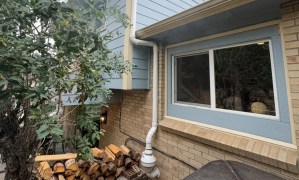
During winter radon testing, homes are usually in “closed-house conditions.” This means that windows and exterior doors remain closed except for normal entry and exit. These conditions create stable air pressure and prevent outdoor air from diluting indoor levels.
Because people naturally keep their homes sealed during the winter months, testing at this time reveals the highest and most accurate readings.
3. Snow and Frozen Ground Redirect Radon Gas
Snow and frozen soil act as a barrier that prevents radon from escaping into the open air. Instead, the gas moves laterally through the ground until it finds an opening, often at the base of your home.
This redirection leads to higher indoor radon levels during winter. Areas with heavy snowfall or prolonged freezing conditions often experience spikes in radon readings.
4. You Spend the Most Time Indoors
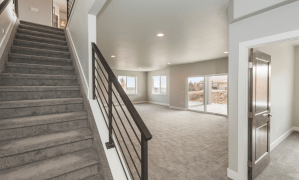
Winter is when people spend the most time inside. Families gather in basements, living rooms, and lower-level spaces that are closest to the source of radon gas.
Since exposure is based on both concentration and time spent breathing contaminated air, indoor activities during the colder months increase potential health risks. Testing during this period helps you understand your actual exposure under normal living conditions.
5. Mitigation Can Be Installed in Any Season
Many homeowners assume they must wait until spring to install a mitigation system, but this is not true. Professional radon mitigation can be completed in any season, including winter.
Licensed technicians use specialized equipment that works effectively regardless of temperature or weather. Addressing high radon levels during the cold season ensures your family breathes clean air when it matters most.
Learn more about where radon is found in homes and how different foundation types influence mitigation design.
6. Short-Term Testing Is Ideal for Quick Winter Results
Short-term tests are a great option during winter because they provide accurate results within 48 to 96 hours. This makes it easy to get fast, reliable data while homes are naturally sealed.
Professional testers use continuous radon monitors that record hourly readings, producing a detailed picture of daily fluctuations. These devices meet EPA standards and provide more accurate results than most do-it-yourself kits.
7. Radon Testing Is Required by Law in Certain Colorado Settings
In Colorado, radon testing and disclosure are legally required in certain circumstances. Sellers must disclose any known test results when transferring property. Some school districts and childcare facilities are also required to test for radon regularly.
For homeowners, this highlights the importance of early testing and mitigation. Staying compliant with regulations not only ensures safety but also adds value and transparency to your property.
To see which regions have the highest risk, visit our guide to the radon map of Colorado.
What to Do If Your Winter Radon Test Is High
If your test results show elevated levels of radon, do not panic. The problem can be fixed effectively with professional mitigation.
Certified technicians can design a custom system that draws radon from beneath your foundation and vents it outside above the roofline. The process usually involves:
- Sealing visible cracks and openings in the basement or slab.
- Installing a PVC vent pipe and fan that continuously removes radon gas.
- Conducting post-installation testing to confirm safe levels.
A properly installed system can reduce radon levels by 80 to 99 percent. This not only improves air quality but also protects your family from long-term health risks such as lung cancer.
The Difference Between Long-Term and Short-Term Winter Tests
Understanding the two main types of tests helps you choose the right approach for your home.
- Short-Term Tests: These typically last from two to seven days and are ideal for quick readings during the winter. They are perfect for homeowners seeking fast results before taking further action.
- Long-Term Tests: These tests run for 90 days or longer and measure fluctuations over multiple seasons. They provide a more complete picture of annual exposure, especially in homes with variable conditions.
Take Action Before Winter Sets In
As winter approaches, now is the best time to schedule your winter radon testing. Cooler temperatures, sealed homes, and increased indoor time make this season the most accurate and informative for measuring radon exposure.
Radon can be found in any home, regardless of age, design, or location. The only way to know your risk is to test.
At Better Colorado Radon, we make the radon testing and mitigation process simple, accurate, and stress-free. Our certified team brings local expertise and advanced technology to ensure your home remains protected all year long.
Do not wait until it is too late. Schedule your professional radon test before winter sets in and gain peace of mind knowing your home’s air is clean and healthy.
Contact Better Colorado Radon today to schedule your appointment and protect your family from radon exposure this winter.