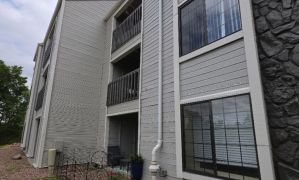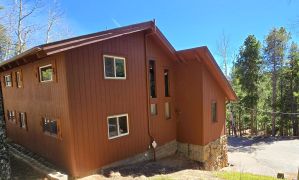
Radon enters a home from the soil beneath and around the foundation. As naturally occurring uranium breaks down underground, it releases radon gas that can move through cracks, gaps, sump pits, utility penetrations, and other openings. Because indoor air pressure is often lower than the pressure in the surrounding soil, homes can actually draw radon inside, allowing it to accumulate to elevated levels over time.
If you’re asking how does radon enter a home, you’re already asking the right question, since understanding the entry points is the first step toward keeping your indoor air safe. Radon isn’t something that drifts in through open windows; it’s a gas that originates underground and finds its way indoors through the structure of the house itself. Below, we’ll walk through where radon comes from, the specific pathways it uses to get inside, why homes tend to pull it in rather than letting it sit outside, and what you can do to stop it.
What Is Radon and Where Does It Come From?
Radon is a naturally occurring radioactive gas, colorless and odorless, that forms as a byproduct of the radioactive decay of uranium in soil and rock. Every patch of ground contains trace amounts of uranium, and as that uranium breaks down over thousands of years, it passes through several intermediate elements before producing radon gas. This process happens continuously and naturally, so radon is constantly being generated underground regardless of weather, season, or human activity. Outdoors, the gas disperses harmlessly into the atmosphere, but indoors it can become trapped and concentrated to levels that pose a real long-term health risk.
Colorado is especially susceptible to elevated radon because of its underlying geology. The state’s mountainous regions are rich in granite and other uranium-bearing rock formations, meaning there’s simply more uranium in the ground to decay into radon gas in the first place. This isn’t a localized problem confined to a few neighborhoods; all 64 Colorado counties are classified as having high radon potential, and roughly half of homes tested across the state come back above the EPA’s recommended action level of 4.0 pCi/L. For a deeper look at why this geological reality matters so much here, our page on Colorado radon facts breaks down the state-specific data in more detail.
How Does Radon Enter a Home Through the Foundation?
The foundation is the primary boundary between the radon-rich soil below and the living space above, making it the most important area to understand when it comes to radon entry. Almost every foundation, regardless of age or construction quality, has some combination of the pathways below that allow soil gas to migrate indoors.
Foundation Cracks
Concrete foundations naturally develop small cracks over time as the structure settles and the material cures and shifts with temperature changes. Even hairline cracks invisible to the naked eye can create enough of a gap for radon gas to travel from the soil into the basement or crawl space below a home. Because these cracks often form gradually and silently, homeowners frequently have no idea they exist until a radon test reveals an elevated reading.
Expansion Joints
Expansion joints are intentional gaps built into a foundation, typically where the basement floor meets the foundation walls, designed to let concrete expand and contract without cracking. While they serve an important structural purpose, these joints are also a common entry point for radon since they create a continuous seam connecting the soil directly to the home’s interior. Many mitigation strategies specifically target these joints because they’re predictable, consistent pathways rather than random, unpredictable cracks.
Utility Pipe Penetrations
Every home has pipes, wires, and conduits that pass through the foundation to bring in water, electricity, and other utilities, and each penetration creates a small gap around the opening. Builders typically seal these penetrations during construction, but the seals can degrade over time due to settling, temperature cycling, or simple wear, leaving small but persistent openings for radon to enter. Because a single foundation often has multiple utility penetrations, the cumulative effect of several small gaps can meaningfully contribute to elevated indoor radon levels.
Sump Pits and Drainage Systems
Sump pits and interior drainage systems are designed to manage groundwater, but they also create a direct, open connection between the soil beneath the home and the indoor air above it. Because sump pits are essentially open holes in the foundation floor, they tend to be one of the largest single sources of radon entry in homes that have them. This is also why sump pit covers are such a common and effective component of radon mitigation systems, since sealing this one opening can significantly reduce the volume of soil gas entering the home.
Why Homes Pull Radon Inside
Radon doesn’t just seep into a home passively; in many cases, the home actually pulls it inside due to pressure differences between the indoor air and the surrounding soil. Homes are typically slightly depressurized relative to the soil beneath them, meaning indoor air pressure is lower than the pressure of the soil gas trying to escape upward. This pressure differential acts almost like suction, actively drawing radon through any available opening in the foundation rather than radon simply drifting in on its own.
One of the biggest contributors to this pressure difference is the stack effect, a phenomenon where warm air rises and escapes through the upper levels of a home, creating negative pressure lower in the structure that pulls in air, and radon, from below. Understanding the stack effect helps explain why basements and lower levels are particularly vulnerable, since they sit at the part of the pressure gradient where the pull from outside soil gas is strongest. HVAC systems can intensify this effect too, since forced-air heating and cooling circulate and redistribute air throughout the home, sometimes creating localized pressure zones that increase suction on foundation openings.
Seasonal fluctuations also play a meaningful role in how much radon enters a home at any given time. During colder months, homes are sealed more tightly and heating systems run more often, both of which tend to increase the pressure differential between indoor air and the soil and, in turn, increase radon entry. This is part of why radon levels can vary noticeably between a summer test and a winter test in the same home, even when the underlying soil conditions haven’t changed.
Can Radon Enter Homes Without Basements?
Radon entry isn’t limited to homes with traditional basements; it can affect virtually any structure built on or near soil, regardless of foundation type. Crawl spaces are particularly susceptible because they sit directly above bare or lightly covered soil, often with minimal sealing, allowing radon to accumulate there before migrating upward into living areas through floor penetrations and gaps. Slab-on-grade homes, which have no basement or crawl space at all, can still experience radon entry through cracks in the slab itself or around the perimeter where the slab meets the foundation walls.
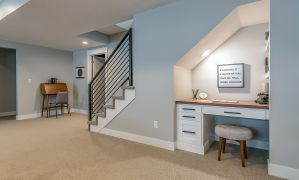
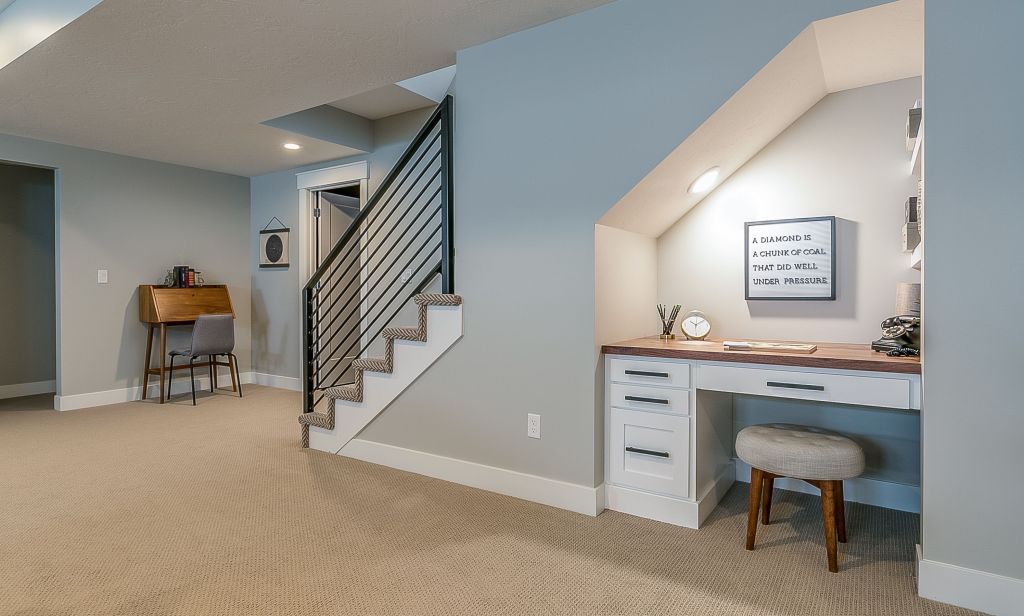
Finished basements are not automatically protected either, since finishing work like drywall, flooring, and ceiling tiles can actually conceal foundation cracks and gaps rather than eliminate them, sometimes making entry points harder to identify and address later. New construction homes aren’t immune either, since even modern building codes and techniques don’t guarantee a radon-free environment; foundations still settle, materials still shift, and small gaps still form over time regardless of how recently a home was built. This is one of the main reasons radon testing is now a standard recommendation for nearly every type of home, not just older properties with visible foundation wear.
Which Areas of the Home Usually Have the Highest Radon Levels?
Basements
Basements consistently show the highest radon concentrations in most homes because they’re the level closest to the soil and the most directly exposed to multiple entry points like cracks, sump pits, and utility penetrations. Since basements also tend to be the area most affected by the negative pressure created by the stack effect, they experience both the greatest proximity to the radon source and the strongest pull drawing that gas indoors.
Lower Living Levels
Even in homes without a basement used as living space, the lowest occupied level of the home typically shows elevated radon compared to upper floors, since radon naturally accumulates closer to its source before dispersing upward. This is particularly relevant for split-level homes or homes with finished lower levels that have been converted into bedrooms, offices, or family rooms.
Rooms Above Crawl Spaces
Rooms located directly above a crawl space can also show elevated radon levels, since gas that accumulates in the crawl space can migrate upward through floor penetrations, ductwork, and gaps around plumbing. Our detailed breakdown of where radon is found in homes covers how these patterns shift depending on a home’s specific layout and construction style, which can help homeowners understand where to prioritize testing.
How Do You Know If Radon Is Entering Your Home?
Radon cannot be seen, smelled, or tasted, which means there’s no sensory warning sign that would alert a homeowner to its presence the way a gas leak or smoke might. This invisibility is precisely why testing is the only reliable way to determine whether radon is entering a home and at what concentration, since visual inspection alone cannot detect it regardless of how thorough or experienced the inspector is.
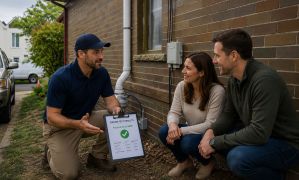
Testing typically involves placing a short-term or long-term monitoring device in the lowest livable level of the home, with short-term tests running a minimum of 48 hours under closed-house conditions to produce a valid reading. Homeowners should test when purchasing or selling a home, after any major renovation that affects the foundation or HVAC system, and at minimum every two years even without a specific trigger event, since radon levels can shift due to changes in soil conditions, settling, or seasonal patterns.
How to Stop Radon From Entering a Home
Sealing Entry Points
Sealing visible cracks, gaps around utility penetrations, and sump pit covers can reduce radon entry to some degree by closing off some of the pathways gas uses to migrate indoors. However, sealing alone is rarely sufficient on its own, since it’s nearly impossible to identify and seal every microscopic crack or gap in a foundation, and new openings can form over time as the structure continues to settle.
Improving Airflow
Increasing ventilation, particularly in crawl spaces, can help dilute radon concentrations somewhat by allowing more outdoor air to mix with the air that has accumulated indoors. While this can offer modest improvement in some situations, ventilation adjustments don’t address the underlying pressure differential pulling radon into the home, which limits how much they can accomplish on their own.
Installing a Radon Mitigation System
A professional radon mitigation system is the only proven long-term solution for reducing radon to safe levels, because it directly addresses the pressure differential rather than just treating individual symptoms like cracks or poor airflow. These systems use a fan-powered vent pipe to create negative pressure beneath the foundation, actively pulling radon gas out from under the home and venting it safely above the roofline before it ever has the chance to enter the living space. Unlike sealing or ventilation improvements, a properly installed and tested mitigation system provides documented, measurable results, giving homeowners confidence that the issue has been resolved rather than just minimized.
Protect Your Home With Professional Radon Testing and Mitigation
Radon’s path into a home is rarely a mystery once you understand the combination of foundation openings and pressure differences working together to pull soil gas indoors. Given how widespread elevated radon is across Colorado, testing and addressing the issue isn’t about responding to a rare problem; it’s about confirming the safety of a condition that affects roughly half of all homes statewide. With clear entry points to address and a well-established mitigation process, protecting your home’s indoor air quality is a manageable project rather than an overwhelming one.
Better Colorado Radon helps homeowners test for radon, understand their results, and install professional mitigation systems built to keep indoor air safe for the long term. Whether you’re testing for the first time or addressing a result that came back higher than expected, our team is ready to help you find the right solution for your home.
Book Today to schedule your radon testing or mitigation service with Better Colorado Radon.